
How To
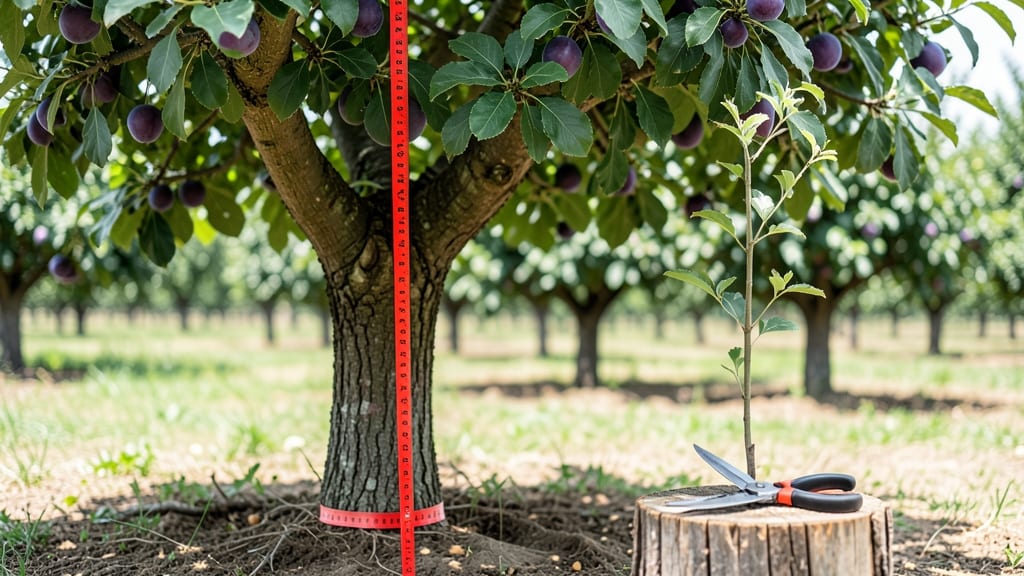
How tall does a plum tree grow? Its height can range from 8 feet for dwarf varieties to towering 30 feet for standard types, making it one of the most adaptable fruit trees for any garden.
Wondering if your backyard can accommodate a plum tree? The height of plum trees varies dramatically by variety—some stay compact enough for small gardens, while others tower over 30 feet. Knowing these differences can help you choose the perfect plum tree for your space and climate.
Dwarf varieties like ‘Santa Rosa’ or ‘Methley’ stay under 12 feet, making them ideal for urban yards or container growing, while standard varieties like ‘Stanley’ or ‘Italian Prune’ can easily reach 25 feet or more.
Even within the same species, pruning and growing conditions play a huge role in final height.
In this guide, you’ll discover the exact height ranges for popular varieties, how to control growth with pruning, and which types thrive best in your USDA Zone 6a climate. By the end, you’ll know exactly which plum tree fits your space—and your harvest goals.

Plum tree height by variety: from dwarf to giant sizes
Choosing a plum tree often comes down to one critical question: how tall does a plum tree grow? The answer depends entirely on the variety you select. Some plum trees stay small enough for container growing, while others reach heights that require careful planning in your landscape.
Understanding these differences helps you match the perfect tree to your space and growing goals.
Plum trees generally fall into four height categories: dwarf varieties (under 10 feet), semi-dwarf varieties (10-15 feet), standard varieties (15-25 feet), and giant varieties (over 25 feet). Each category offers unique benefits, from easy harvests in small yards to stunning ornamental features in larger landscapes.
Let's explore the exact mature heights for popular plum varieties, so you can visualize how each will fit into your garden before planting.
The Santa Rosa Plum is one of the most popular dwarf varieties, reaching just 8-12 feet at maturity. This makes it ideal for small urban gardens or even large containers. Its compact size doesn't compromise fruit production—expect heavy yields of sweet, red plums perfect for fresh eating or preserves.
For those with slightly more space, semi-dwarf varieties like the Methley Plum offer a balance. These trees typically grow to 12-15 feet tall, making them perfect for backyards where you want easy access to fruit without sacrificing landscape appeal. They also produce beautiful spring blossoms that attract pollinators.
If you're working with a larger property, standard varieties like the Stanley Plum provide both height and dramatic visual impact. These trees can reach 18-25 feet, creating a stunning focal point while producing abundant fruit. Their larger size also makes them more drought-resistant once established.
For true giants, Japanese Plum varieties and some European Plum types can exceed 30 feet in ideal conditions. These trees are best suited for rural properties or orchard settings where their full height can be appreciated. Their larger canopies also provide excellent shade during hot summer months.
When selecting a plum tree, always consider not just the mature height but also the spread of the canopy. Many plum trees have a spread equal to their height, so a 20-foot-tall tree might occupy a 20-foot diameter space.
This is crucial for planning pathways, fencing, and other landscape features around your new tree.
How growth zones affect plum tree height and care requirements
Your USDA hardiness zone plays a crucial role in determining how tall your plum tree will grow and what care it requires. Trees in warmer zones like Zone 8-10 often reach their mature height faster than those in colder Zone 5-6 climates.
For example, a standard European plum might hit 20 feet in Zone 9 but stay shorter in Zone 6 due to slower growth cycles. Understanding these differences helps you plan for space and adjust care routines accordingly.
The growth rate of plum trees also varies by zone. In warmer zones (7-10), trees may grow 3-5 feet per year during their prime, while in cooler zones (4-6), growth slows to 1-3 feet annually.
This means a 10-year-old tree in Zone 8 could be 25 feet tall, while the same variety in Zone 5 might only reach 15 feet. These differences impact pruning schedules and structural support needs.
| USDA Zone | Mature Height (ft) | Growth Rate (ft/year) | Winter Care Needs |
|---|---|---|---|
| 4-6 | 12-18 ft | 1-3 ft | Heavy mulch, tree wrap |
| 7-8 | 18-22 ft | 2-4 ft | Light mulch, frost cloth |
| 9-10 | 20-30 ft | 3-5 ft | Minimal protection |
In colder zones (4-6), plum trees require more winter protection to prevent dieback, which can stunt their height. Use tree wraps and thick mulch to insulate roots and trunks. Without protection, dwarf varieties might only reach 8-10 feet instead of their 12-foot potential.
In contrast, warmer zones (9-10) allow plum trees to grow unrestricted, often exceeding 25 feet without additional care.
Your watering schedule should also adjust based on your zone. In Zone 5-6, plum trees need deep watering every 10-14 days during dry spells, while Zone 8-10 trees may require bi-weekly deep soaks due to faster evaporation.
Overwatering in cold zones can lead to root rot, slowing growth, while underwatering in hot zones stresses trees, reducing their height potential.
Fertilizer needs vary too. Trees in warmer zones benefit from balanced 10-10-10 fertilizer applied every 6 weeks during growing season, while cooler zone trees thrive on half-strength applications every 8 weeks.
Over-fertilizing in cold climates can lead to excessive leaf growth at the expense of fruit production, affecting the tree's overall structure and height.
Choose dwarf varieties like Santa Rosa for small spaces in any zone, but expect slower growth in colder climates. For larger backyards in warmer zones, standard varieties like Stanley will reach their full 25-foot height more quickly.
Always check the variety's zone hardiness before planting to ensure optimal growth and care alignment.