
Pruning
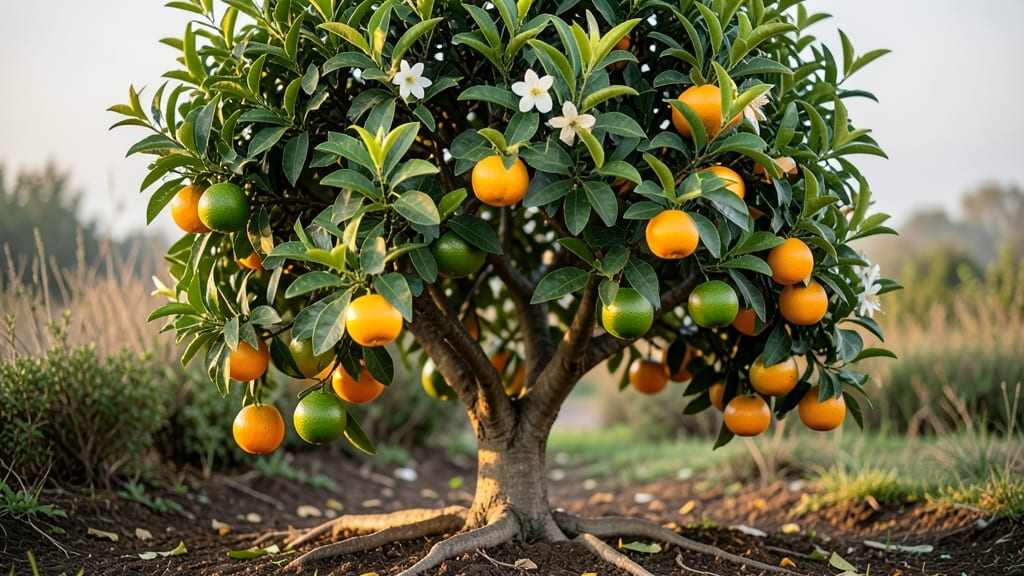
The palm tree with orange balls—like Pandanus or Dypsis lutea—transforms any garden into a sun-drenched escape. 🌴 These striking plants bring bold color and tropical drama without needing a beachfront.
Their clusters of bright orange fruit stand out against lush green fronds, making them a conversation starter in containers or mixed borders.
Place them near pools, entryways, or along driveways to create instant curb appeal. Their vertical growth adds height to small spaces, while their glossy leaves reflect sunlight beautifully. Pair with drought-tolerant companions like Yucca or Agave for a low-maintenance, high-impact look that thrives in heat and humidity.
In containers, they’re perfect for patios or balconies, adding a pop of color year-round. The orange fruit isn’t just decorative—it attracts birds and adds texture, making your garden feel alive. Even in cooler climates, these palms shine as focal points in pots, bringing a taste of paradise to any setting.
For a cohesive look, group them with other tropical plants like Bird of Paradise or Musa basjoo (ornamental banana). The contrast of their orange fruit against deep greens or purples creates a stunning visual impact. Whether standalone or in a mixed border, these palms deliver effortless elegance.
Nature’s Odd Fruit Mystery
Those bright orange clusters sprouting from your palm tree aren’t just a quirky visual—there’s real science behind them! While they might look like edible treats (and some species do produce them), these "orange balls" are often a sign of stress, disease, or even a natural reproductive quirk.
Let’s break down the most common reasons your palm tree is growing these unusual orbs, so you can address the root cause before it affects the plant’s health.
Palm trees thrive in warm climates, but when temperatures spike—or when they’re suddenly exposed to intense sunlight after shade—stress responses can trigger abnormal growth. The orange clusters you’re seeing might be:
- Sunburn blisters: Similar to how your skin reacts to overexposure, palm leaves can develop swollen, orange-tinged growths as a protective response. These are often galls, caused by mites or fungal infections exacerbated by heat.
- Heat-induced flowering: Some palm species, like the Cocos nucifera (coconut palm), produce fruit in response to extreme heat. However, if the tree isn’t mature or well-hydrated, the fruit may abort or develop irregularly.
Actionable fix: Gradually acclimate potted palms to full sun (harden off over 2–3 weeks) and ensure they’re in well-draining soil with 50% perlite or sand to prevent root overheating. Mulch with 3–4 inches of bark chips to regulate soil temperature.
Not all orange growths are harmless—some are red flags for pests or pathogens. Here’s what to watch for:
| Cause | Signs | What’s Happening |
|---|---|---|
| Thrips or mites | Sticky orange sap, deformed leaves, or small galls on stems | These tiny pests inject toxins into plant tissue, triggering abnormal cell growth (like warts) as a defense mechanism. |
| Fungal infections (e.g., Phytophthora) | Soft, spongy orange clusters at the base of fronds or trunk | Fungi thrive in waterlogged soil, causing cankers or fruit-like growths as the tree attempts to seal off damaged areas. |
| Scale insects | Hard, crusty orange bumps on stems or leaves | Scale insects feed on sap, and their waste (honeydew) can ferment, creating a sooty mold that darkens the orange clusters. |
Actionable fix:
- Inspect the undersides of leaves and trunk with a magnifying glass. Look for webbing, tiny insects, or sap trails.
- Spray infested areas with neem oil (2 tbsp per gallon of water) or insecticidal soap every 5–7 days for 3 weeks.
- For fungal issues, apply copper fungicide and improve drainage by elevating the pot or adding orchid bark to the soil mix.
Palm trees are heavy feeders, and when their diet is off, they can develop odd growths as a cry for help. Orange clusters often signal:
- Potassium deficiency: Leaves may curl with orange-tipped edges, and the tree might produce small, deformed fruit-like structures.
- Magnesium or calcium overload: Excess nutrients (especially from tap water or over-fertilizing) can cause physiological disorders, leading to galls or abnormal fruit.
- Nitrogen toxicity: Too much nitrogen (common with synthetic fertilizers) can trigger leaf scorch and stress responses, including orange growths.
Actionable fix:
- Test your soil with a palm-specific kit (aim for pH 5.5–6.5).
- Switch to a balanced organic fertilizer (e.g., 6-6-6 NPK ratio) and apply every 3 months in spring/fall.
- Avoid tap water high in calcium—use rainwater or distilled water instead.
Not all orange balls are bad news! Some palm species produce edible or ornamental fruit as part of their life cycle. Here’s how to tell if yours is just being normal:
- Coconut palms (Cocos nucifera): Female flowers develop into green coconuts that turn orange/brown as they mature. If your tree is mature (10+ years) and healthy, these are normal!
- Medjool dates (Phoenix dactylifera): Young fruit starts green, then turns orange-red before ripening to brown. These are harvest-ready when plump and soft.
- Pyramid palms (Trachycarpus fortunei): Rarely produce small, orange drupes (berry-like fruit) as a secondary reproductive strategy when conditions are ideal.
Actionable tip: If your palm is not one of these species, research its botanical name—some ornamental palms (like Chamaedorea elegans) may develop false fruit (reproductive buds) when stressed.
Pro tip: 💡 When in doubt, snap a photo and compare it to your palm’s species profile. If the orange growths are hard, woody, or oozing sap, prioritize pest/fungal checks. If they’re soft and plump, they might just be fruit!
Fixing Your Palm’s Odd Growth
Those orange balls on your palm tree might look like a quirky tropical accessory, but they’re usually a sign of stress or overgrowth. Whether they’re flower buds, fruit, or disease-related swellings, the good news is most issues are fixable with the right care.
Below, we’ll break down the most common causes and provide simple, actionable solutions—plus tips to keep your palm looking lush and healthy year-round.
If your palm is producing normal orange flower clusters (like in Canary Island date palms or Mediterranean dwarf palms), these are harmless—but they can drain energy from the tree. Over time, excessive fruiting weakens growth and attracts pests.
🔪 How to Prune Them Properly
- 📅 Time It Right
- Prune after flowering (late spring/early summer) to avoid stressing the tree during active growth.
- Avoid pruning in winter, as the tree needs all its energy to survive cold snaps.
- 🪒 Use the Right Tools
- Sterilize pruners with rubbing alcohol to prevent disease spread.
- For thick stems, use bypass pruners or a sharp saw.
- ✂️ Cut Correctly
- Remove entire clusters at the base where they meet the stem.
- Avoid topping (cutting the crown)—this can kill the palm.
- For large, mature fruit, snip individual stalks to reduce weight stress.
- 🌿 Post-Pruning Care
- Apply a balanced fertilizer (6-6-6 or 8-3-9) to replenish nutrients.
- Water deeply 1-2 times per week (adjust for climate).
💡 Prevention Tips
- Limit nitrogen-heavy fertilizers—they encourage excessive flowering.
- Repot every 2-3 years to refresh soil and reduce stress.
- Choose low-flowering varieties like Parlor Palms (Chamaedorea elegans) if you dislike fruit.
If the "orange balls" are swollen buds, galls, or discolored growths, they could signal fungal infections, bacterial rot, or pest infestations (like palm weevil larvae). Act fast—these issues spread quickly.
🚨 Step-by-Step Treatment Guide
| Issue | Signs | Fix It Now | Prevent Future Outbreaks |
|---|
🍄 Fungal Infection — Sticky orange ooze, black spots
- Remove infected fronds with sterilized shears.
- Spray with copper fungicide (follow label).
- Improve air circulation by thinning dense foliage.
- Water at the base, not overhead.
- Use well-draining soil (add perlite).
|
🐛 Palm Weevil Larvae — Fronds yellowing, brown "holes"
- Inject systemic insecticide (like imidacloprid) into the trunk.
- Remove infested fronds immediately.
- Check for adult weevils (brown, 1-inch beetles) at night.
- Apply neem oil as a preventive spray.
- Avoid overwatering—weevils love moist soil.
|
🌡️ Heat or Sun Stress — Bleached orange patches, crispy tips
- Move the palm to partial shade (especially in afternoon sun).
- Mist leaves daily in hot weather.
- Fertilize with potassium-rich food (like 0-0-50) to boost resilience.
- Use lightweight mulch to retain moisture.
- Choose heat-tolerant varieties (e.g., Pygmy Date Palm).
|
⚠️ Emergency Red Flags
- If the trunk softens or oozes, your palm may have weevil or rot—contact a local arborist immediately.
- Do NOT prune if the tree is already wilted or mushy—this can accelerate decay.
Even if the orange balls aren’t severe, your palm might need a health boost to prevent future issues. Try these easy fixes:
- 💧 Water Wisely
- Overwatering causes root rot and stress balls. Stick your finger 2 inches into soil—if it’s damp, wait.
- Underwatering leads to dry, brittle growth. Most palms need 1-2 inches of water per week (more in containers).
- 🌞 Light & Location
- Bright, indirect light is ideal. Avoid deep shade (leads to weak growth) or scorching sun (burns fronds).
- Rotate the pot monthly for even sunlight exposure.
- 🍽️ Feed the Right Way
- Use a palm-specific fertilizer (high in magnesium and potassium) every 2 months in growing season.
- Avoid lawn fertilizers—they’re too heavy in nitrogen.
- 🪴 Container Care
- Repot every 2-3 years with fresh, well-draining mix (cactus soil + perlite).
- Ensure the pot has drainage holes—stagnant water = recipe for disease.
With the right care, your palm tree will bounce back—and those orange "balls" will either disappear or transform into stunning tropical blooms. Keep an eye on your tree’s habits, and don’t hesitate to prune or adjust conditions as needed. Happy growing! 🌴✨
Frequently asked questions
Are the orange balls on my palm tree edible?
Only if your palm is a fruit-bearing species like coconut or date palms! Most ornamental palms with orange clusters (such as Pandanus or Dypsis lutea) produce inedible fruit. The bright orbs are typically decorative or stress-related growths. Always verify your palm's species before consuming anything.
Can I grow a palm tree with orange fruit in a container?
Many tropical palms thrive in containers, including Pandanus and Dypsis lutea. Choose a pot with drainage holes and use a well-draining mix. For best results, select a variety that stays under 6 feet tall at maturity and place it in bright, indirect sunlight.
How do I choose the best location for my orange-fruited palm?
Place your palm where it gets 6+ hours of sunlight daily but with afternoon shade in hot climates. Near pools, patios, or entryways creates stunning visual impact. For containers, ensure the pot can handle the plant's mature size and weight.
What plants pair well with orange-fruited palms?
Combine with drought-tolerant tropicals like Yucca, Agave, or Bird of Paradise for contrast. Purple-leafed plants (such as Purple Heart) or silver foliage (like Echeveria) enhance the vibrant orange fruit's color.
Will my palm's orange fruit attract pests?
Yes, ripe fruit may attract birds and insects. To minimize issues, remove fallen fruit promptly and consider netting young fruit if pests become problematic. Most ornamental palms produce fruit that's not appealing to wildlife, but it's always worth monitoring.