
Container Gardens
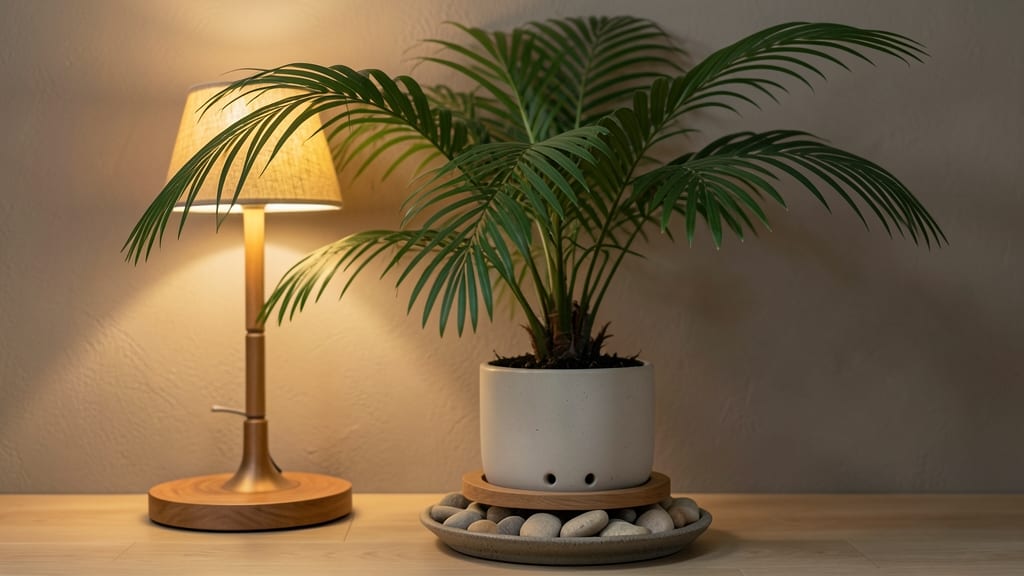
Your living room just became a tropical escape with glowing palm fronds. ✨ Indoor palm trees with lights transform any space into a sunlit oasis—no greenhouse required.
I’ve turned my own home into a mini jungle, using simple LED strips to highlight the natural beauty of my bamboo palm while creating a cozy glow that lasts all night.
The key is matching the right lighting to your palm’s needs: soft fiber optics for delicate fronds, warm LED strings for bold varieties. Place lights strategically—wrap them around the pot or tuck them behind leaves—to mimic natural sunlight without scorching the foliage.
My Areca palm now looks like it’s basking in a sunset, and the ambiance? Unbeatable. You’ll end up with a plant that stays lush year-round while doubling as a stylish centerpiece. The lighting adds depth to modern spaces, warmth to reading nooks, and even a festive touch for holidays.
Just avoid overdoing it—palms need real light too, not just the glow. Works for any room, from minimalist apartments to grand entryways. Here’s how to make it happen without killing your plant in the process.
📚 In This Guide
- What you need
- Instructions
- Tips and common mistakes
- Wrapping up and next steps
What you need
- ● Indoor palm tree: Choose a slow-growing variety like a Parlor Palm (Chamaedorea elegans) or Bamboo Palm (Chamaedorea seifrizii) (1 plant, 12–36" in height).
- ● Grow light kit: LED or fluorescent grow lights (1–2 lights, 12–18" wide, 12W–24W). Look for full-spectrum bulbs (4000K–6500K color temp).
- ○ Lightproof container: Ceramic, fiberglass, or plastic pot (12"–18" diameter) with drainage holes. Optional: A decorative outer pot for aesthetics.
- ● Well-draining potting mix: 1 bag (5–10 quarts) of a blend for tropical plants (e.g., 50% peat moss, 30% perlite, 20% orchid bark).
- ● Drainage tray: Shallow tray or saucer to catch excess water (1 per plant).
- ● Misting bottle or spray nozzle: For humidity control (8–16 oz).
- ○ Timer (optional but helpful): 16-hour daylight timer for consistent light cycles.
- ● Basic tools: Trowel or small shovel (for repotting).
- ● Gloves (to protect hands from soil).
- ● Scissors or pruning shears (for trimming).
- ○ Decorative touches (optional): Fairy lights or LED string lights (waterproof, 5V–12V).
- ● Decorative pebbles or moss (for container styling).
- ● Spray paint (for customizing pots).
- ● Maintenance supplies: Balanced liquid fertilizer (e.g., 10-10-10, 4–6 oz).
- ● Fungicide (preventative, 8 oz).
- ● A bright, indirect light spot (e.g., near a north or east-facing window) or a dedicated space for your grow lights.
- ● Access to room-temperature water (avoid tap water if it’s heavily chlorinated—let it sit for 24 hours).
- ● Patience! Palm trees thrive with consistent care—commit to weekly checks and adjustments.
Step-by-step instructions for growing an indoor palm tree with lights
Here's how to create a lush, illuminated palm that stays vibrant all year—no green thumb required.
🪴 Step 1: Choose the Right Palm and Lighting Setup
Start with a dwarf palm variety like a Parlor Palm (Chamaedorea elegans) or Areca Palm (Dypsis lutescens), both perfect for indoor growing. These types tolerate lower light and thrive with supplemental lighting. Place your palm in a medium-sized pot (12-16 inches wide) with drainage holes—this prevents root rot, which is the #1 killer of indoor palms.
For the lighting, use a full-spectrum LED grow light (6000K-6500K color temperature) positioned 12-18 inches above the plant. I like to use a smart plug with a timer to mimic natural daylight cycles—12-14 hours of light daily. If you're using decorative string lights, opt for warm white (2700K-3000K) to create ambiance without harming the plant.
💧 Step 2: Set Up the Perfect Growing Environment
Palms love humidity, so place the pot on a pebble tray filled with water (just below the pot’s base) or use a humidifier nearby. Keep the room temperature between 65-80°F—avoid drafts from windows or vents, which can stress the plant. I keep my palm in a bright, indirect light spot (like near an east-facing window) and supplement with grow lights for 4-6 hours daily if natural light is limited.
Water the palm when the top 1-2 inches of soil feel dry—stick your finger in the soil to check. Overwatering is the biggest mistake; yellowing leaves or mushy stems are red flags. I use room-temperature water (never cold) to avoid shocking the roots. Drain any excess water from the saucer after 10 minutes to prevent soggy soil.
☀️ Step 3: Integrate Lights for Aesthetic and Growth
For decorative lighting, wrap fairy lights around the pot or hang them above the palm—just keep them at least 6 inches away from the foliage to avoid overheating. If using grow lights, position them 12-18 inches above the canopy and adjust as the palm grows. You’ll see new fronds emerging within 4-8 weeks if the light and humidity are just right.
Here’s the trick: Rotate the pot a quarter turn weekly so the palm grows evenly toward the light. Uneven growth (where the plant leans) means it’s stretching for more light. Watch for bright yellow or brown leaf tips—this usually means too much light or low humidity. Adjust by moving the plant 2-3 feet farther from the light source or increasing humidity.
🌿 Step 4: Maintain and Prune for Long-Term Health
Prune yellow or brown fronds at the base with clean, sharp scissors—never pull leaves off, as this damages the stem. I do this every 3-4 months to encourage new growth. Fertilize monthly in spring and summer with a balanced liquid fertilizer (10-10-10 or 20-20-20) diluted to half strength. In fall and winter, reduce to every 6-8 weeks since growth slows.
Dust the leaves weekly with a damp cloth—palms absorb light through their foliage, so keeping them clean ensures they photosynthesize efficiently. If you notice pests like spider mites (tiny webs on undersides of leaves), treat with neem oil spray or a soapy water solution (1 tsp mild dish soap per quart of water).
⏰ Step 5: Adjust for Seasonal Changes
In winter, reduce watering slightly since growth slows, but keep the lights on for 10-12 hours daily. If your palm looks leggy or sparse, it’s time to increase light exposure—move it closer to the grow light or add a second light source. In summer, you can gradually increase humidity by misting the leaves 2-3 times a week (early morning is best to avoid fungal issues).
Every 2-3 years, repot the palm into a container just 2 inches larger in diameter. This prevents root-bound stress. Use fresh potting mix (a blend of peat moss, perlite, and compost) to give the roots fresh nutrients. After repotting, hold off on fertilizing for 4-6 weeks to avoid burning the roots.
Tips & tricks for growing an indoor palm tree with lights
These simple strategies will help you keep your tropical palm thriving under artificial lighting—no guesswork required.
Lighting Strategy: The 12-14 hours of daily light from your full-spectrum LED grow light is perfect, but here's the trick: position the light so it covers the plant's entire canopy evenly. I like to angle it slightly to prevent one side from getting more exposure. If you notice your palm leaning toward the light, it's stretching for more—rotate the pot weekly as instructed, but also consider adding a second light source if you're using decorative string lights for ambiance. This ensures balanced growth without over-reliance on one light direction.
Humidity Hacks: Palms love humidity, but if you don't have a humidifier, try this: place your pebble tray on a larger tray filled with pebbles and water, then set your palm pot on top. The evaporation creates a natural humid microclimate. In dry winter months, I also group my houseplants together—this creates a mini greenhouse effect that works wonders for all of them. Just avoid letting the pot sit directly in water, which can cause root rot.
Watering Wisdom: That 10-minute drainage rule after watering is critical, but here's what to watch for: if your palm's leaves start curling at the edges, it's often a sign of either underwatering or overwatering. Stick your finger in the soil—if it's bone dry 2 inches down, water thoroughly. If it's still damp after 10 minutes, wait another day before checking again. I've found that using a moisture meter helps eliminate guesswork, especially for beginners.
Seasonal Light Adjustments: During winter's shorter days, your palm might need that extra 10-12 hours of light to stay vibrant. If you're using a timer for your grow lights, set it to turn on at sunrise and off at sunset—most smart plugs can sync with your location's daylight schedule. For decorative lights, I like to keep them on for 8-10 hours during winter evenings to maintain that cozy glow while still giving your palm enough rest. The key is consistency—palms thrive on routine lighting schedules.
Pro Tips for Indoor Palm Tree With Lights
- These simple strategies will help you keep your tropical palm thriving under artificial lighting—no guesswork required.
- Lighting Strategy: The 12-14 hours of daily light from your full-spectrum LED grow light is perfect, but here's the t...
- Humidity Hacks: Palms love humidity, but if you don't have a humidifier, try this: place your pebble tray on a larger...
Frequently asked questions
Got questions about keeping your indoor palm tree with lights glowing and healthy? You’re not alone! Here are the most common queries—and their simple solutions.
What’s the best way to position lights without burning the leaves?
Place LED grow lights 12–18 inches above the palm’s canopy, angled at 45 degrees for even coverage. Use a timer for 12–14 hours of light daily, and avoid direct heat sources. If leaves yellow or crisp, lower the intensity or increase distance.
Can I use regular Christmas lights instead of grow lights?
While some warm-white Christmas lights (2700K–3000K) can supplement light, they’re not ideal—most lack the blue spectrum palms need for photosynthesis. For best results, pair them with a small LED grow light or full-spectrum bulb. Test for 2–3 hours daily first!
How often should I water a lit palm tree compared to a non-lit one?
Lights can dry soil faster! Check moisture weekly by sticking your finger 1–2 inches deep—water when dry. Reduce frequency in winter (when light exposure drops) but never let the roots sit in soggy soil. A moisture meter helps avoid over/under-watering.
Will lights affect the palm’s natural growth cycle?
Yes, but you can work with it! Palms thrive on 12+ hours of light, so use timers to mimic daylight. If your tree slows growth in winter, extend light exposure gradually (add 1 hour weekly). Avoid sudden changes—palms hate shock!
What do I do if the leaves turn brown or crispy?
Brown edges = too much light or heat. Move the palm 6–12 inches farther from the light source and trim damaged fronds. Yellowing? It’s likely overwatering—let the top inch of soil dry out. For crispy tips, increase humidity with a pebble tray or humidifier.
Pro Tip: Rotate your palm weekly so all sides get even light exposure. Uneven lighting causes lopsided growth—no one wants a wonky tree!
Wrapping up and next steps
Bringing a glowing indoor palm tree with lights into your space isn’t just about aesthetics—it’s about creating a vibrant, year-round oasis that elevates your home.
With the right palm variety, lighting setup, and care routine, you’ll enjoy lush foliage and a cozy ambiance that’s perfect for any season. 🌿✨
Ready to transform your space? Start by choosing your palm and gathering supplies, then follow the steps to set up your illuminated masterpiece. Before you know it, you’ll be basking in the beauty of your own glowing green sanctuary—one that’s as easy to maintain as it is stunning!