
Propagation
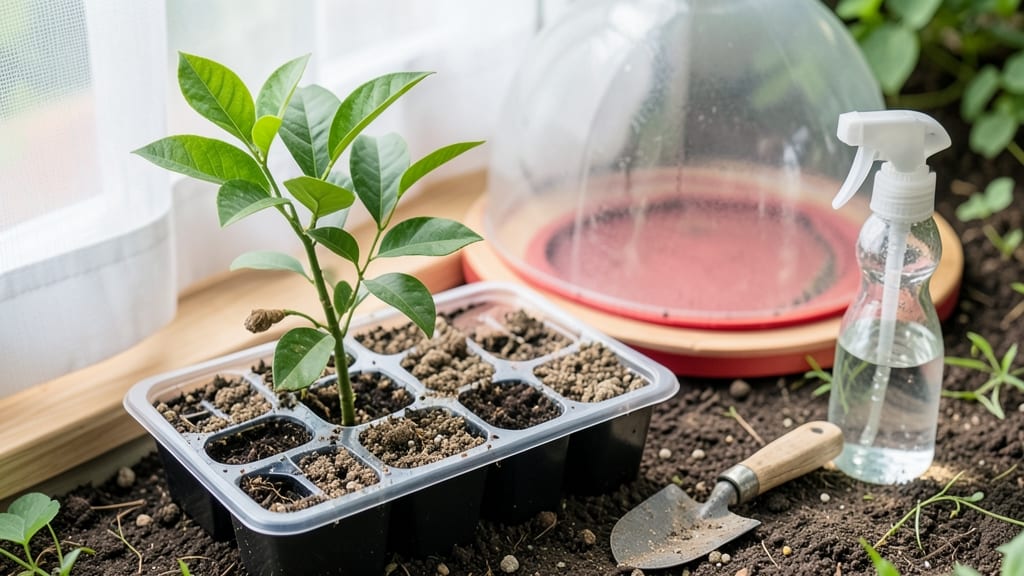
Growing a tangerine tree from seeds means you’ll have a living piece of sunshine on your patio in just 6 weeks—no grafting required. 🌱 I’ve started dozens of citrus saplings from grocery-store seeds, and the trick isn’t complicated: it’s about warmth, patience, and keeping those little roots happy.
The first green shoot feels like magic, especially when you realize this could one day bear fruit. The secret starts with the right seeds—pick plump, fresh ones from a ripe tangerine (no hybrids!)—and a warm spot where they’ll sprout faster than you’d expect.
You’ll need a shallow tray, some damp paper towels, and a heat source (like a sunny windowsill or a seedling mat). Most seeds germinate in 7-14 days, but if yours take longer, don’t panic—just keep them moist and warm.
Once those first leaves unfurl, you’ll transplant into soil and watch them grow into a sturdy sapling. By 6 weeks, you’ll have a 6-inch tree ready for a pot, though fruiting will take years. The real payoff?
A tree that’s uniquely yours, with no risk of disease from grafted stock. This method works for any citrus seed—lemons, oranges, even grapefruit—so experiment and see what thrives. Just remember: the first year is about growth, not fruit. Patience is the key ingredient here.
📚 In This Guide
- What you need
- Instructions
- Tips and common mistakes
- Wrapping up and next steps
What you need
- ● Tangerine seeds – 3–5 fresh, plump seeds (harvested from ripe, organic tangerines for best results).
- ● Small seed-starting pots or containers – 3–4 (3–4 inches in diameter) with drainage holes. Tip: Use biodegradable pots or recycled containers like yogurt cups!
- ● Well-draining potting mix – 1–2 bags (look for a citrus-friendly blend or mix with perlite/vermiculite for aeration).
- ● Plastic wrap or clear dome lid – To create a mini greenhouse effect and retain humidity.
- ● Spray bottle – For gentle watering (avoid over-saturating seeds!).
- ● Grow lights or sunny windowsill – A south-facing window or LED grow lights (12–16 hours/day) for optimal light.
- ○ Humidity tray or pebble tray – Optional but helpful for maintaining moisture (fill with water + pebbles).
- ● Fertilizer (balanced or citrus-specific) – A diluted liquid fertilizer (e.g., 5-5-5 or 10-10-10) for seedlings after sprouting.
- ● Pruning shears or scissors – For trimming excess growth later.
- ● Patience and love! 💚 – Seeds take time, but the journey is half the fun.
- ● Seedling heat mat – Speeds up germination (70–80°F ideal).
- ● pH testing kit – Ensures soil pH is 6.0–7.0 (citrus loves slightly acidic soil!).
- ● Epsom salt – A magnesium boost for seedlings (1 tsp per gallon of water, used sparingly).
- ● Label markers – To track planting dates and seed varieties.
- ● Mulch or pine needles – Retains moisture in larger pots later.
Step-by-step instructions for growing tangerine trees from seeds
Here’s how to turn a grocery-store tangerine into a thriving sapling—no fancy tools or grafting required.
🌱 Step 1: Extract and Prepare the Seeds
Start with fresh seeds from a ripe tangerine—older seeds germinate poorly. Remove the seeds carefully, rinsing off any pulp, then let them dry on a paper towel for 24 hours at room temperature. This prevents mold while keeping them viable.
Place the dried seeds between damp paper towels in a sealed plastic bag. Store them in a warm spot (70-75°F) for 3-5 days. You’ll know they’re ready when tiny white roots (¼ inch long) appear—this signals they’re primed for planting.
🪴 Step 2: Plant in Moist, Well-Draining Soil
Fill small pots (3-4 inches deep) with a mix of 50% potting soil and 50% perlite—this prevents root rot. Plant each seed ½ inch deep, spacing them 1 inch apart if using a shared container. Gently press the soil around the seeds to ensure good contact.
Water lightly until the soil feels damp but not soggy. Cover the pots with clear plastic wrap to retain humidity, then place them in bright, indirect light (60-70°F). Avoid direct sun—it can overheat the seeds before they sprout.
💧 Step 3: Monitor Germination and Thin Seedlings
Sprouts typically appear in 7-14 days, but some may take up to 3 weeks. Once the first true leaves (not the initial seed leaves) emerge, remove the plastic wrap. Thin weak seedlings, keeping only the strongest one per pot—crowding leads to leggy, weak growth.
Water when the top inch of soil feels dry, using a spray bottle to avoid disturbing the delicate roots. Keep the pots in bright, indirect light for the first 4 weeks, gradually introducing 2-3 hours of morning sun to harden them.
☀️ Step 4: Transition to Sun and Larger Pots
After 6 weeks, when seedlings have 4-5 true leaves, transplant them into 6-inch pots with fresh potting mix. Place them in a spot with 6+ hours of filtered sunlight—direct midday sun can scorch young leaves. Rotate the pots weekly so the stems grow straight.
Fertilize lightly with a balanced citrus fertilizer (diluted to half strength) every 4-6 weeks starting at 8 weeks. Over-fertilizing now can burn tender roots. Watch for yellowing leaves—this usually means too much water or poor drainage.
⏰ Step 5: Prepare for Outdoor Growth (Seasonal)
If you live in a USDA Zone 9-11, you can move seedlings outdoors in spring after the last frost. Acclimate them by placing them outside for 1 hour daily, gradually increasing time over 2 weeks. In colder zones, keep them indoors near a south-facing window until warm weather.
By 6 months, your saplings should be 12-18 inches tall with a sturdy trunk. Prune leggy growth to encourage bushier shape, and never let the soil dry out completely—citrus roots are sensitive to drought. Patience is key: fruit may take 3-5 years, but the journey is worth it.
Tips & tricks for growing tangerine trees from seeds
Here's what I learned the hard way after struggling with my first batch of tangerine seedlings.
Seed Selection: Always choose seeds from organic, ripe tangerines—they're less likely to have been treated with fungicides that can inhibit germination. I tried store-bought conventional tangerines first and had terrible results until I switched to organic. Also, avoid seeds from hybrid tangerines (like clementines) if you want true tangerine flavor—they often don't produce the same fruit.
Germination Environment: The 70-75°F temperature range is critical during those 3-5 days of pre-germination. I learned this the hard way when my seeds sprouted unevenly—some too fast, others not at all. Place your sealed bag near a warm spot like on top of the fridge or near a sunny window (but not in direct sun). A small seedling heat mat works wonders if you have one. The tiny white roots appearing at ¼ inch are your green light to plant!
Light Transition: When moving seedlings to more sunlight after 4 weeks, do it gradually. I made the mistake of moving mine straight to full sun and ended up with scorched leaves. Start with just 2-3 hours of morning sun and increase by 30 minutes every few days. Morning sun is gentler than afternoon heat, giving your seedlings time to adjust. Rotate the pots weekly so they grow straight toward the light.
Watering Wisdom: The "top inch dry" rule works, but I've found using a spray bottle actually helps more than regular watering. Regular watering can disturb the delicate roots and wash away soil nutrients. After transplanting to 6-inch pots, I switch to bottom-watering by placing the pots in a tray of water for 10 minutes—this keeps the roots moist without overwatering the topsoil.
Pro Tips for Grow Tangerine Tree From Seeds
- Here's what I learned the hard way after struggling with my first batch of tangerine seedlings.
- Seed Selection: Always choose seeds from organic, ripe tangerines—they're less likely to have been treated with fungi...
- Germination Environment: The 70-75°F temperature range is critical during those 3-5 days of pre-germination. I learne...
Frequently asked questions
Got questions?
Growing tangerine trees from seeds is rewarding but can raise a few doubts—especially for beginners. Here are answers to the most common queries to help you succeed!
How long does it take for tangerine seeds to sprout?
Most tangerine seeds sprout within 2–4 weeks under ideal conditions (warmth, moisture, and indirect light). If you don’t see sprouts after 4 weeks, check soil moisture and warmth—seeds need consistent 70–80°F (21–27°C) to germinate. Patience is key!
Can I grow a tangerine tree from seeds indoors year-round?
Yes! Tangerine seeds thrive indoors with bright, indirect light (like a south-facing window or grow lights) and warm temperatures. Use a heating mat if your home is chilly. However, fruiting may take 5–10 years—so be prepared for a long-term project!
Will my homegrown tangerine tree produce fruit like the parent?
Probably not! Seed-grown trees often don’t replicate the parent’s flavor or quality—citrus trees from seeds are usually wild-type and may produce small, tart, or seed-filled fruit. For consistent, sweet tangerines, consider grafting later or buying a named variety.
Why are my tangerine seedlings wilting or turning yellow?
Yellowing or wilting seedlings often signal overwatering, underwatering, or pests. Check soil moisture (it should stay slightly damp but not soggy) and inspect for fungus gnats or aphids. If roots look mushy, repot in fresh, well-draining soil immediately.
Can I plant tangerine seeds directly in the ground instead of starting indoors?
Direct sowing is possible in warm climates (USDA Zones 9–11) after the last frost, but seedlings are vulnerable to cold and pests. For best results, start indoors 6–8 weeks before the last frost, then transplant outdoors once they’re 3–4 inches tall and hardened off.
Pro Tip:
If you’re impatient for fruit, save seeds from high-quality tangerines (like Mandarins or Clementines)—they’re more likely to produce edible (though still variable) fruit. For guaranteed results, graft a known variety onto your seedling later!
Wrapping up and next steps
Growing a tangerine tree from seeds is a rewarding journey that connects you to nature’s sweet surprises! 🌱 With patience, the right conditions, and a little care, you can nurture a citrus sapling in just 6 weeks—no grafting required.
Whether you’re a beginner or a green thumb, this method proves that citrus magic starts small.
Now that you’ve got the know-how, why not plant those seeds today? Share your progress with fellow gardeners or experiment with different varieties. Soon, you’ll be harvesting homegrown tangerines—one seed at a time! 🍊✨