
Pruning
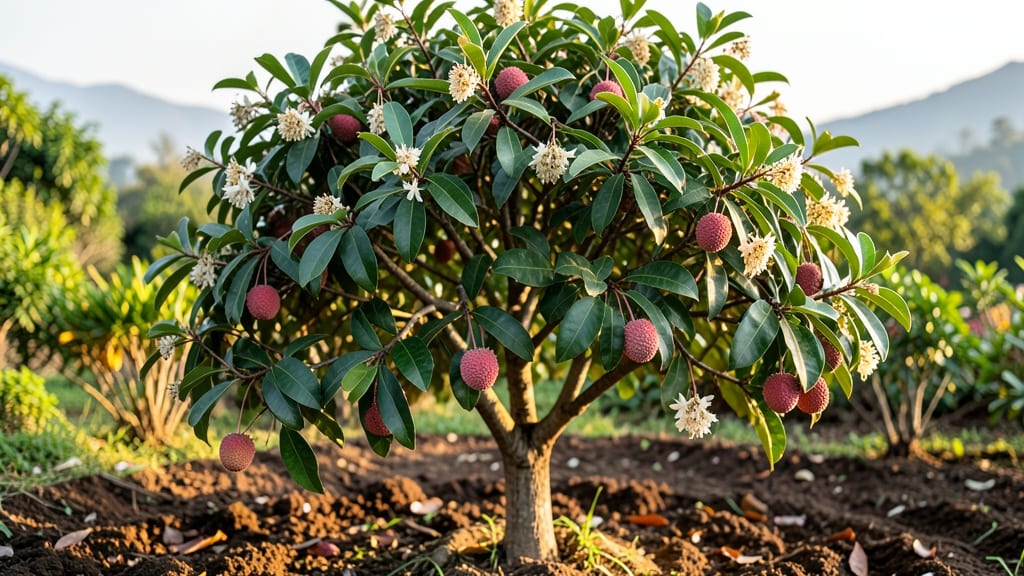
Lychee tree cultivation in containers or ground feels like a tropical dream—until you realize most varieties need 80°F+ summers to fruit. 🌴 I’ve grown them in Florida and containers in California, and the secret isn’t just heat: it’s matching your climate to the right variety and giving the tree exactly what it craves—drainage, humidity, and patience. The first year is all about roots and branches, not fruit. You’ll need well-draining soil (think 60% sand or coco coir), a large pot for containers (at least 15 gallons), and a spot where temps stay above 50°F year-round. Prune lightly in late winter to shape the tree, but avoid heavy cuts—lychees bloom on new growth, and aggressive pruning delays fruit. By year three, with consistent care, you’ll see those iconic pink flower clusters and—if you’re lucky—small, fuzzy lychees by late summer. The flavor? Worth every bit of effort: sweet, floral, and impossible to find fresh outside tropical regions. Even in cooler zones, dwarf varieties like ‘Wai Chee’ can thrive in greenhouses or microclimates. The biggest mistake? Overwatering. Lychees hate soggy roots. Let the top 2 inches dry between waterings, and fertilize lightly with citrus-specific mix in spring. Pests? Watch for scale insects—neem oil is your friend. Now, let’s get those trees growing!
📚 In This Guide
- What you need
- Instructions
- Tips and common mistakes
- Wrapping up and next steps
What you need
- ● Lychee Tree Saplings: 1-2 healthy, grafted saplings (ensure they’re disease-free and from a trusted nursery).
- ● Well-Draining Soil: For containers: 50% premium potting mix + 50% perlite/sand (10-15 gallons per 15-inch pot).
- ● For ground planting: Loamy, acidic soil (pH 5.0-6.5) with organic compost (amend with 5-10 lbs of compost per planting hole).
- ● Fertilizer: Balanced organic fertilizer (10-10-10 or 8-3-9) or citrus-specific fertilizer (apply every 4-6 weeks during growing season).
- ● Mulch: 2-3 inches of pine bark or wood chips (to retain moisture and acidify soil).
- ● Watering System: Drip irrigation or a watering can (lychees need consistent moisture but hate soggy roots!).
- ● Pruning Tools: Bypass pruners (for clean cuts on small branches).
- ● Loppers (for thicker branches, ½–1 inch diameter).
- ● Sterilizing solution (70% isopropyl alcohol or bleach water).
- ○ Containers (Optional): Large, sturdy pots (15+ gallons) with drainage holes (for patio or urban growing).
- ● pH Test Kit: To monitor soil acidity (lychees are picky! Aim for 5.0-6.5).
- ○ Shade Cloth (Optional): 30-50% shade fabric (for young trees or harsh sun protection).
- ○ Support Stakes (Optional): 3-4 bamboo stakes + soft ties (for container-grown trees to prevent toppling).
- ● Climate: Lychees thrive in USDA Zones 10-12 (or containers in cooler zones with winter protection).
- ● Sunlight: Full sun (6+ hours daily).
- ● Humidity: High humidity (60%+) or frequent misting (especially in containers).
- ● Patience: Trees take 3-5 years to bear fruit! 🍈
Step-by-step instructions for cultivating lychee trees
Here’s how to nurture a lychee tree from start to fruit-bearing success—whether in a container or planted in the ground.
🌱 Step 1: Select and Prepare the Right Starting Material
Lychee trees thrive from seeds or grafted nursery stock, but seeds take years to fruit. For faster results, choose a grafted sapling from a reputable supplier. Look for healthy, 3-4 foot tall plants with smooth, green bark and no signs of pests or disease. If starting from seed, use fresh, plump lychee pits—soak them in warm water for 24 hours to soften the hard outer shell before planting.
I always opt for grafted trees because they bear fruit in 3-5 years instead of the 10+ years it takes from seed. If you go the seed route, expect patience—lychee trees grown from seed rarely produce fruit with the same quality as grafted varieties. Plant seeds ½ inch deep in a well-draining mix and keep the soil consistently moist until germination, which can take 4-8 weeks.
☀️ Step 2: Plant in Well-Draining Soil with Full Sun Exposure
Lychee trees demand full sun—6-8 hours daily—and well-draining, slightly acidic soil (pH 5.5-6.5). In containers, use a mix of 50% potting soil, 30% perlite, and 20% compost. For ground planting, amend native soil with organic matter like compost or peat moss to improve drainage. If your soil is heavy clay, consider planting in a raised bed to prevent root rot.
When planting, dig a hole twice as wide as the root ball but no deeper. Gently remove the tree from its container, loosen any circling roots, and place it in the hole so the root flare (where roots meet the trunk) sits 1-2 inches above soil level. This prevents water from pooling around the trunk and causing rot. Backfill with soil, tamp lightly, and water deeply to settle everything in place.
💧 Step 3: Water Deeply and Maintain Consistent Moisture
Lychee trees are drought-sensitive but hate soggy roots. Water deeply once a week during the first year, allowing the top 2-3 inches of soil to dry out between waterings. In containers, check moisture daily—small pots dry out faster. Overwatering is the #1 killer of young lychee trees, so always ensure pots have drainage holes and saucers are emptied after watering.
Here’s the thing—lychee trees need humidity to thrive. In arid climates, mist the leaves 2-3 times a week or place the pot on a tray of pebbles filled with water (but never let roots sit in water). You’ll know you’re nailing it when the tree’s leaves stay deep green and slightly glossy, not wilted or yellowing. Mulch around the base with 2-3 inches of organic mulch to retain moisture and regulate soil temperature.
✂️ Step 4: Prune for Shape and Airflow in Early Growth Stages
Pruning young lychee trees encourages strong branching and better fruit production. Start by removing any dead, diseased, or crossing branches with clean, sharp pruners. In the first year, focus on shaping the tree by cutting back overly long or leggy growth to encourage a balanced, open canopy. Aim for a central leader (main upright trunk) with well-spaced branches to allow sunlight and air to reach the center.
I always prune in late winter or early spring, just before new growth begins. Avoid heavy pruning in summer—it stresses the tree and can reduce flowering. After pruning, apply a balanced fertilizer (10-10-10) to support new growth. You’ll see new leaves emerging within 4-6 weeks—that’s your signal the tree is recovering well.
🌿 Step 5: Fertilize and Protect for Long-Term Fruit Production
Lychee trees are heavy feeders and need regular fertilization to produce fruit. In their first year, use a balanced fertilizer (like 10-10-10) every 6-8 weeks. Once the tree is established (year 2+), switch to a higher-phosphorus fertilizer (like 5-10-10) in early spring to encourage flowering, then a potassium-rich fertilizer (like 0-10-10) in summer to support fruit development.
Protect young trees from frost, strong winds, and pests. Lychee trees are tropical and cannot tolerate temperatures below 32°F. If you live in a cold climate, grow them in large containers and move them indoors (or to a greenhouse) during winter. Watch for lychee borers and scale insects—treat infestations early with neem oil or insecticidal soap to prevent damage. With consistent care, your tree will start flowering in 3-5 years, and you’ll have your first lychee harvest!
Tips & tricks for perfect lychee tree cultivation
Between us, growing a thriving lychee tree requires patience and precision—but these tricks will help you avoid the most common pitfalls.
Starting Material: When selecting grafted saplings, inspect the graft union carefully. It should appear smooth and well-healed, not cracked or swollen. I've seen many beginners overlook this detail, leading to poor growth. If starting from seed, use only fresh pits from ripe lychees—older seeds have significantly lower germination rates. The 24-hour soaking period is crucial for breaking down the hard outer shell, so don't skip this step even if the pits look plump.
Soil Science: Lychee trees absolutely despise soggy roots, which is why that well-draining mix of 50% potting soil, 30% perlite, and 20% compost is non-negotiable. If your native soil is heavy clay, consider amending it with additional perlite or coarse sand to improve drainage. The slightly acidic pH (5.5-6.5) is equally important—you can test your soil with a simple pH meter available at garden centers. For container growers, upgrade to larger pots (at least 18 inches in diameter) as your tree grows to prevent root binding.
Watering Wisdom: The "deeply once a week" guideline assumes average conditions, but your watering needs may vary. In containers, I check soil moisture daily during summer months because small pots dry out much faster. One trick I've learned: stick your finger about 2 inches into the soil—if it feels completely dry, it's time to water. That tray-of-pebbles method for humidity is brilliant for dry climates, but remember to elevate the pot so roots aren't sitting in water. The 2-3 inches of organic mulch acts like a moisture blanket, so apply it after watering to lock in that precious humidity.
Pruning Precision: When shaping your tree in Step 4, focus on creating that open canopy by removing branches that grow inward. I always make my cuts just above a leaf node or outward-facing bud—this encourages new growth in the right direction. That late winter/early spring timing is perfect because the tree is dormant and can recover quickly. After pruning, give the cuts a light coating of pruning sealant to prevent disease entry points, especially in humid climates. The 4-6 week window for new leaf emergence gives you a clear progress check—if you don't see new growth by then, your tree might need more nutrients.
Pro Tips for Lychee Tree Cultivation
- Between us, growing a thriving lychee tree requires patience and precision—but these tricks will help you avoid the most common pitfalls.
- Starting Material: When selecting grafted saplings, inspect the graft union carefully.
- Soil Science: Lychee trees absolutely despise soggy roots, which is why that well-draining mix of 50% potting soil, 30% perlite, and 20% compost is non-negotiable.
Frequently asked questions
How long does it take for a lychee tree to bear fruit?
A lychee tree typically takes 5–7 years to bear fruit from seed, but grafted trees can produce fruit in as little as 3–4 years. Patience is key—focus on proper care (sunlight, water, and soil) to speed up the process.
Can lychee trees survive cold weather?
Lychees are tropical and thrive in USDA zones 10–12. They can’t tolerate frost—temperatures below 30°F (-1°C) will damage or kill them. If you live in colder climates, grow them in containers and move them indoors during winter.
How often should I water a lychee tree?
Keep soil consistently moist but not soggy. Water deeply 2–3 times per week in hot climates, reducing to once a week in cooler months. Young trees need more frequent watering, while mature trees prefer slightly drier conditions.
What’s the best way to prune a lychee tree?
Prune in late winter or early spring to remove dead/diseased branches and shape the tree. Focus on open canopies for airflow and sunlight. Avoid heavy pruning—lychees produce fruit on new growth, so keep it light!
What pests should I watch for?
Common pests include aphids, mealybugs, and scale insects. Use neem oil or insecticidal soap for mild infestations. For severe cases, consult a local arborist. Regularly inspect leaves and branches to catch issues early.
Wrapping up and next steps
Growing a lychee tree—whether in a container or in the ground—is a rewarding journey that combines patience, care, and a touch of tropical flair. 🌿 From selecting the right variety to mastering pruning techniques, each step brings you closer to harvesting sweet, fragrant fruit.
With the right conditions and a little dedication, your lychee tree can thrive and even flourish!
Now that you’re armed with the essentials, why not take the next step? Start small: plant your lychee tree today, monitor its progress, and enjoy the process. Before you know it, you’ll be savoring homegrown lychees—that’s the sweet reward of tropical fruit success!