
Size
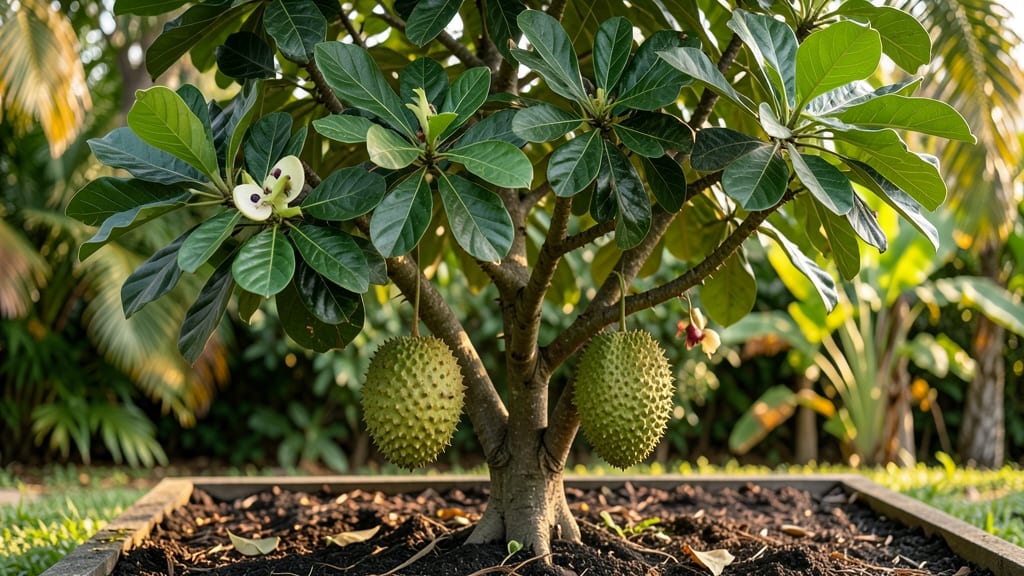
Growing this unique soursop guanabana tree at home means tropical fruit success—even in containers. 🌿 I've nurtured these exotic trees for years, and the secret isn't just heat and humidity, but the right balance of soil, light, and patience that turns a seed into a fruit-bearing powerhouse.
The key is mimicking its native Caribbean climate in your space: 60-80°F temperatures year-round, bright indirect light (or grow lights), and well-draining soil that stays slightly moist but never soggy.
Most people overwater, thinking tropical plants need more moisture—it's actually the opposite. My trees thrive in 5-gallon pots with a mix of peat, perlite, and compost.
By year three, you'll see those signature star-shaped white flowers appear, followed by the spiky green fruits that taste like a mix of pineapple, mango, and strawberry. The first harvest is always a game-changer—nothing compares to fresh guanabana straight from your patio.
Works for balconies, greenhouses, or sunrooms in zones 10-11, and even indoors with the right setup. Let's get those seeds sprouting!
Root Causes of Soursop Struggles
Growing a soursop (Annona muricata) at home can be incredibly rewarding—but it’s not without its challenges. Whether your tree is stunted, producing few fruits, or even dying, understanding why these issues occur is half the battle.
Below, we break down the most common culprits, backed by science, so you can diagnose and fix problems before they derail your tropical fruit dreams.
The soursop tree is a tropical wimp—it hates cold. Even a brief dip below 50°F (10°C) can shock the tree, causing leaf drop, stunted growth, or even death.
Native to warm climates like the Caribbean and Central America, this fruit tree thrives in USDA Zones 10-11 and needs consistent warmth to flourish.
Why it happens:
- Cold snaps disrupt cellular metabolism, leading to chlorosis (yellowing leaves) as chlorophyll breaks down.
- Frost damage kills delicate new growth and flowers, slashing fruit production.
- Temperature swings (e.g., hot days/cool nights) stress the tree, making it vulnerable to pests and disease.
Actionable fix:
- ✅ Never let temps drop below 55°F (13°C)—use row covers or move potted trees indoors if frost is forecasted.
- 🌡️ Use a thermometer to monitor soil temps; soursops prefer 75–85°F (24–29°C) for optimal growth.
- 💡 Pro tip: If you live in a cooler zone, grow soursop in large containers (15+ gallons) for easier winter relocation.
Soursop trees are not drought-tolerant, but they also drown in soggy soil. Over- or underwatering sends the tree into survival mode, stunting growth and reducing fruit yield.
Why it happens:
- Overwatering leads to root rot (caused by Phytophthora fungi), which cuts off water/nutrient uptake. Symptoms: Yellow leaves, mushy stems, foul-smelling soil.
- Underwatering triggers osmotic stress, where the tree’s roots can’t absorb nutrients, leading to crispy leaf edges and wilting.
- Poor drainage (common in containers) traps excess moisture, suffocating roots.
Actionable fix:
- 💧 Water deeply but infrequently—aim for 1–2 inches of soil moisture per week (more in heatwaves).
- 🏺 Use well-draining soil mixes (50% potting soil, 30% perlite, 20% compost) and containers with drainage holes.
- 🌡️ Check soil moisture with your finger: If the top 2 inches are dry, it’s time to water.
- 🚨 Warning: If leaves turn yellow and droop, it’s usually overwatering—let the soil dry out before watering again.
Soursop trees are sun worshippers—they need 6+ hours of direct sunlight daily to photosynthesize efficiently. Too little light weakens the tree, reducing flowering and fruit set.
Why it happens:
- Insufficient light causes etiolation (elongated, weak stems) as the tree stretches toward any available light.
- Indoor or shaded growth leads to pale, small leaves and fewer flowers (since flowering is light-dependent).
- Partial shade (common in tropical climates) can work, but direct morning sun is ideal.
Actionable fix:
- ☀️ Place potted trees in full sun (south-facing windows or outdoor spots with no obstructions).
- 🌿 Rotate containers weekly to ensure even growth (prevents lopsided trees).
- 💡 Pro tip: If growing indoors, supplement with LED grow lights (12–16 hrs/day) to mimic tropical sunlight.
Soursop trees are heavy feeders—they need rich, slightly acidic soil (pH 5.5–6.5) packed with nutrients to produce fruit. Poor soil leads to deficiencies that manifest as strange leaf symptoms.
Why it happens:
Actionable fix:
Soursop trees are magnets for pests in humid climates, and diseases thrive in stagnant, nutrient-poor conditions. Left unchecked, infestations weaken the tree, reducing fruit quality and yield.
Symptom
Likely Deficiency
Why It Happens
Yellow leaves (older first)
Nitrogen (N)
Nitrogen fuels leaf growth; lack of it causes chlorosis as chlorophyll breaks down.
Yellow between veins (new growth)
Iron (Fe)
Iron is immobile in plants—new leaves show deficiency first. Calcium buildup (from hard water) blocks iron uptake.
Purple/red stems & undersides
Phosphorus (P)
Phosphorus aids energy transfer; deficiency triggers anthocyanin production (the plant’s stress signal).
Stunted growth, weak stems
Potassium (K) or Magnesium (Mg)
Potassium regulates water/nutrient flow; magnesium is central to chlorophyll production.
Test your soil with a pH kit (aim for 5.5–6.5). Adjust with sulfur (to lower pH) or lime (to raise pH).
- Mealybugs & Scale Insects: These sap-suckers weaken the tree by draining nutrients, leading to sticky honeydew (which attracts sooty mold).
- Root-Knot Nematodes: Microscopic worms burrow into roots, causing galls (lumpy roots) that block water uptake.
- Anthracnose Fungus: Thrives in
Quick Fixes for Common Guanabana Growing Issues
Growing a soursop (guanabana) tree at home can be incredibly rewarding, but like any tropical plant, it comes with its own set of challenges. Whether it’s pests, diseases, or environmental stressors, knowing how to address them quickly will keep your tree thriving.
Below are practical, step-by-step solutions for the most common problems, along with prevention tips to keep your guanabana tree healthy and productive.
If your guanabana tree isn’t growing as expected, it could be due to nutrient deficiencies, improper lighting, or root issues.
🌱 How to Fix It 1. Check the Soil & Nutrients - Guanabana trees thrive in well-draining, slightly acidic soil (pH 5.5–6.5).
If your soil is too dense or alkaline, amend it with compost, peat moss, or coconut coir. - Fertilize regularly with a balanced tropical fruit fertilizer (high in nitrogen early in the season, then switch to a phosphorus-potassium blend for flowering/fruiting). - Signs of deficiency? - Yellow leaves? → Likely nitrogen deficiency (use a nitrogen-rich fertilizer like fish emulsion). - Purple stems? → Phosphorus deficiency (apply bone meal or a 10-20-10 fertilizer). - Brown leaf edges? → Potassium deficiency (use banana peel tea or a potassium sulfate supplement).
- Optimize Light & Space - Guanabana trees need full sun (6+ hours daily).
If indoors, place near a south-facing window or use grow lights (12–14 hours/day). - Outdoor growers? Ensure no tall trees or buildings are blocking sunlight. - Repot if root-bound (every 2–3 years for container trees). Use a larger pot with drainage holes and fresh potting mix.
- Improve Air Circulation
- Stagnant air encourages fungal diseases. Use a small fan (on low) near the tree or prune dense foliage to allow airflow.
💡 Prevention Tips
✔ Test soil pH annually and adjust with lime (to raise pH) or sulfur (to lower pH). ✔ Mulch with organic matter (like wood chips) to retain moisture and nutrients. ✔ Avoid overwatering—guanabana trees hate soggy roots!
Pests like mealybugs, scale insects, and aphids love guanabana trees because of their sap-rich leaves and fruits.
👨🍳 How to Treat It 1. Manual Removal (Early Stages) - Wipe off pests with a soapy water solution (1 tsp mild dish soap + 1 quart water).
Use a soft cloth or sponge to gently scrub leaves and stems. - For stubborn pests, spray neem oil solution (1 tbsp neem oil + 1 tsp soap + 1 quart water). Reapply every 5–7 days for 2–3 weeks.
- Introduce Beneficial Insects
- Ladybugs, lacewings, and parasitic wasps eat aphids and mealybugs. Buy them from a garden center or attract them with native plants like dill or fennel.
- Severe Infestations? Use Systemic Solutions
- Insecticidal soap or horticultural oil (like Safer® Brand Insect Killing Soap) can help. Spray undersides of leaves where pests hide.
- Last resort: Imidacloprid (systemic pesticide)—follow label instructions carefully.
💡 Prevention Tips
✔ Inspect new plants before bringing them home (quarantine for 2 weeks). ✔ Keep the area clean—remove fallen leaves and fruit to prevent pest buildup. ✔ Encourage natural predators by planting marigolds or basil nearby.
Humidity and poor airflow can lead to fungal infections, which weaken your guanabana tree.
🌡️ How to Treat It
- Powdery Mildew (White Fuzzy Coating on Leaves)
- Prune infected leaves immediately and dispose of them (do not compost).
- Spray with baking soda solution (1 tsp baking soda + 1 quart water + a drop of soap). Apply every 7–10 days.
- Improve airflow by thinning dense foliage or moving the plant.
- Root Rot (Yellowing Leaves, Mushy Stems, Bad Smell)
- Stop watering immediately and let the soil dry out.
- Repot the tree in fresh, well-draining soil and a clean pot.
- Apply fungicide (like Mycorrhizal fungi or copper-based spray) to prevent recurrence.
💡 Prevention Tips
✔ Water at the base (avoid wetting leaves) to reduce humidity around foliage. ✔ Use pots with drainage holes and terracotta saucers to prevent waterlogging. ✔ Avoid overcrowding—give your guanabana tree space to breathe.
Even if your tree is healthy, it might not flower or fruit due to environmental or care-related factors.
🌸 How to Encourage Flowering & Fruiting
- Adjust Fertilizer for Blooming
- Switch to a low-nitrogen, high-phosphorus fertilizer (like 5-10-10 or 3-6-6) 3–4 months before expected flowering season.
- Add magnesium sulfate (Epsom salt) if leaves are yellowing between veins (helps with flower production).
- Simulate Seasonal Changes
- Guanabana trees need a slight temperature drop (around 60–65°F at night) to trigger flowering.
- Move indoors at night during cooler months or use a cooling pad near the plant.
- Hand-Pollinate if Needed
- Guanabana flowers are self-pollinating, but sometimes they need a little help. Use a soft paintbrush to transfer pollen from one flower to another.
💡 Prevention Tips
✔ Be patient—young trees (under 3 years) may not fruit yet. ✔ Avoid over-fertilizing with nitrogen—this promotes leafy growth but stops flowering. ✔ Ensure consistent watering—stress from drought or overwatering can delay fruiting.
Guanabana trees are tropical divas—they reward attention and care with delicious, exotic fruit. By acting fast when problems arise and preventing issues with smart habits, you’ll have a thriving soursop tree in no time.
🌿 Pro Tip: Keep a growing journal to track fertilizing, watering, and pest events—it helps spot patterns!
Frequently asked questions
How long does it take for a soursop tree to bear fruit?
With proper care, soursop trees typically start producing fruit 3-5 years after planting. Young trees focus on growing strong roots and branches first. The first harvest is especially rewarding—just be patient! Container-grown trees may take slightly longer than those planted in-ground.
Can I grow a soursop tree indoors?
Yes, but it requires bright indirect light (south-facing windows) and grow lights for 12-14 hours/day during winter. Use 5-gallon+ containers with drainage holes and maintain 70-80°F temperatures. Expect slower growth indoors than outdoors.
What's the best way to propagate soursop trees?
The easiest method is from seeds—soak them overnight, then plant ½-inch deep in moist potting mix. Germination takes 2-4 weeks in 75-85°F conditions. For faster results, use air layering or cuttings from healthy branches (root in perlite with rooting hormone).
Why aren't my soursop leaves turning yellow?
Yellowing leaves usually indicate overwatering or nutrient deficiency. Check soil moisture—it should dry 1-2 inches between waterings. For deficiencies: Yellow older leaves = nitrogen; yellow new leaves = iron or magnesium. Adjust fertilizer accordingly (Epsom salt helps with magnesium).
How do I know when soursop fruits are ripe?
Ripe soursop fruits are heavy for their size, have softened skin (but still slightly firm), and emit a sweet, tropical aroma when gently squeezed. The color changes from bright green to a duller green/yellow. Harvest before they fully ripen indoors for best flavor.