
Pruning
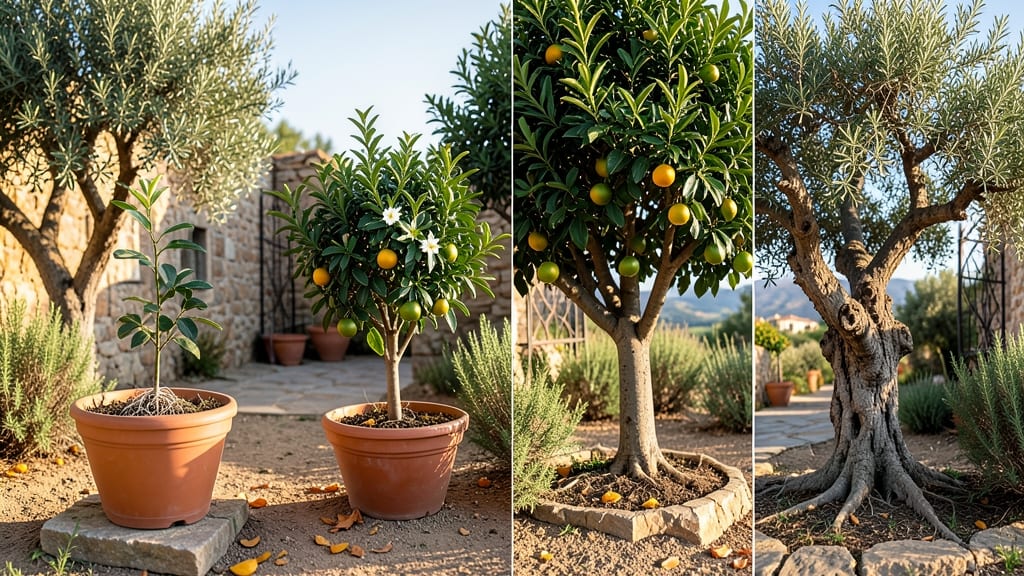
Understanding the orange tree growth stages 🍊 will transform how you nurture your citrus—because what looks like slow progress in the first year is actually setting the stage for a fruit-bearing giant in just five.
Watching an orange tree grow from a tiny seedling to a fruitful giant is like nature’s slowest, most rewarding time-lapse—except you get to control the soil, sunlight, and water. But how long does it really take, and what milestones should you expect along the way?
In this guide, I’ll walk you through each stage—from the delicate first leaves to the first ripe fruit—so you know exactly what to watch for, when to adjust your care, and how to troubleshoot if growth stalls.
By the end, you’ll have a clear roadmap to accelerate healthy growth, avoid common pitfalls, and enjoy homegrown oranges in as little as three years (or sooner, with the right techniques!).


Orange tree growth stages by year: what to expect in 0-5 years
Growing an orange tree is a marathon, not a sprint—expect 3-5 years before your first harvest. Each year brings dramatic changes in height, leaf structure, and root development.
Understanding these stages helps you provide the right care at the right time, avoiding common pitfalls like stunted growth or poor fruiting. Let’s break down what to expect year by year, from a tiny seedling to a fruit-bearing giant.
Year 0 (Seedling Stage) is all about establishing roots and leaves. Your 1-2 foot tree will focus on building a strong foundation rather than growing tall. This stage is critical—60% of root growth happens here, but many gardeners overlook it.
Proper watering and sunlight are non-negotiable to prevent root rot or weak stems. Think of this as the "infant" phase where every care decision sets the stage for future success.
🌱
| Year | Stage | Height | Key Features | Root Development | Fruiting |
|---|---|---|---|---|---|
| 0 | Seedling | 1-2 ft | Small glossy leaves, thin trunk | Shallow but dense | None |
| 1 | Juvenile | 3-5 ft | Larger leaves, woody trunk | Deeper, spreading | None |
| 2-3 | Transition | 6-10 ft | Thicker leaves, possible flowers | Extensive, anchoring | Rare fruit (if grafted) |
| 4-5 | Mature/Fruiting | 15-40 ft | Thick bark, abundant blooms | Deep, widespread | Full harvest |
Year 1 marks the juvenile stage, where your tree will shoot up to 3-5 feet if given ideal conditions. This is when you’ll notice larger, thicker leaves and a more defined trunk.
Many gardeners see rapid growth here but forget to prune lower branches to encourage an open canopy—this can lead to crowded growth and disease later. Focus on balanced fertilization and consistent watering to support this vertical spurt.
Years 2-3 are often the most confusing for growers because this is when many orange trees stall. Your tree might only grow 1-2 feet per year as it shifts from vegetative to reproductive growth. This isn’t a failure—it’s normal biology.
The tree is building energy for future fruiting. However, if you notice yellow leaves or stunted new growth, check for nutrient deficiencies (especially nitrogen) or pests like aphids. Proper care here prevents long-term setbacks.
By Year 4, your orange tree enters its mature phase, where it can reach 15-40 feet depending on the variety. This is when you’ll see abundant white blossoms followed by fruit. Dwarf varieties will stay smaller (8-12 feet) but follow the same growth pattern.
The key difference? Dwarf trees fruit earlier (sometimes as early as Year 3) because they’re grafted onto smaller rootstock. If you’re growing a standard variety, be patient—full fruiting may take until Year 5.
🍊
One common misconception is that all orange trees follow the same timeline. Grafted trees (like those bought from nurseries) can bear fruit in 2-3 years, while seed-grown trees may take 8-10 years to fruit because they must go through a longer juvenile phase.
If you’re growing from seed, expect delayed fruiting—but the reward of homegrown citrus from a tree you nurtured from scratch is unmatched. For faster results, choose a grafted dwarf variety like 'Calamondin' or 'Meyer Lemon'.
Understanding these stages helps you adjust care strategies year by year. For example, Year 0-1 seedlings need gentle watering and protection from wind, while Year 4-5 trees require
Critical care tips for each orange tree growth stage
Your orange tree’s journey from a delicate seedling to a fruit-bearing giant requires precise care at every stage. Each phase demands different watering schedules, sunlight exposure, and nutrient adjustments to avoid common pitfalls like stunted growth or disease.
Let’s break down the essentials for each critical growth stage—so you can nurture a thriving tree from start to harvest.
First-year seedlings are the most fragile. They need consistent moisture but hate soggy roots, so aim for daily watering in the first month, then taper to every 2-3 days once established.
Place them in a sunny spot with 6+ hours of light, but shield from harsh afternoon sun to prevent leaf scorch. Avoid fertilizing until roots are well-developed—too much nitrogen now can burn tender roots.
⚠️ callout warning ⚠️
During the juvenile stage (years 2-3), your tree will grow faster but still needs protection. Increase watering to 2-3 times per week in summer, but reduce in winter when growth slows. Prune dead or crossing branches to encourage airflow, and apply a balanced citrus fertilizer every 6-8 weeks in spring and summer. Watch for aphids or scale insects—treat early with neem oil to prevent infestations.
By year 4, your tree enters the mature phase, where it can handle deeper watering roots. Shift to weekly deep soaks (1-2 gallons) and mulch around the base to retain moisture.
Prune only in late winter to avoid disrupting flowering. If you notice small white flowers, reduce nitrogen fertilizer—citrus trees need phosphorus and potassium for fruiting, not leafy growth.
When your tree finally bears fruit (year 5+), adjust care to support fruit development. Water deeply but less frequently to prevent splitting, and avoid heavy pruning—you’ll lose potential fruit.
Harvest oranges when they’re fully colored and slightly soft, and feed lightly in spring to prepare for the next cycle. Never prune after mid-summer—new growth won’t harden before winter.
Winter care is often overlooked but critical. Move potted trees indoors if temps drop below 40°F, and protect outdoor trees with burlap wraps. Reduce watering to monthly and skip fertilizing—your tree is dormant and needs rest. Prune damaged branches in late winter to encourage spring growth.
With these stage-specific tips, you’ll avoid costly mistakes and watch your orange tree thrive. Remember: patience is key—most trees take 3-5 years to bear fruit, but proper care ensures a bountiful harvest for decades. 🍊