
Trees
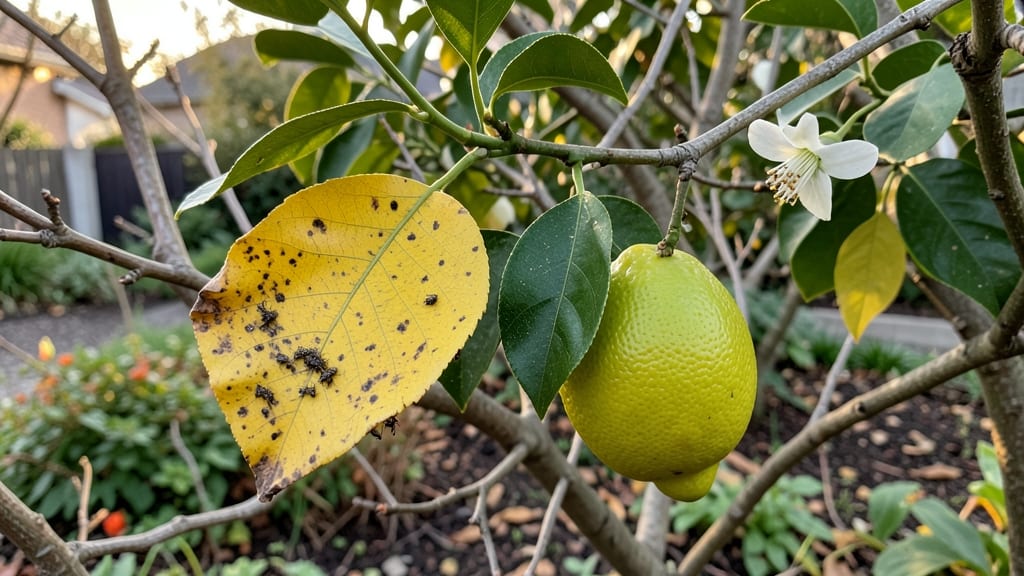
Your Meyer lemon tree lost leaves overnight—and that panic is real. 🌿 I’ve nursed back three lemon trees from total leaf loss, and the fix starts with understanding why it happened.
Overwatering, pests, or sudden temperature drops can all trigger this stress response, but the good news is most cases are reversible with targeted care.
First, check the soil moisture with your finger: if it’s soggy, you’re overwatering; if dry, you’re underwatering. Yellowing leaves often mean overwatering, while crispy edges signal thirst. Then inspect the undersides of leaves for tiny webs (spider mites) or sticky residue (aphids)—both sap-suckers that weaken the tree fast.
A quick spray with water or neem oil can stop their advance.
Reviving your tree means adjusting watering, feeding with citrus-specific fertilizer, and protecting it from temperature swings. Within 2-4 weeks, you’ll see new growth pushing through if the roots are still healthy. The key is acting fast—once the tree loses its canopy for too long, recovery gets harder.
Prevention is simple: water deeply but less often, mulch to stabilize soil temps, and keep an eye out for pests. My trees now stay lush year-round with these small tweaks. Let’s get yours back to thriving!
Why it happens
When your Meyer lemon tree starts shedding leaves, it’s often a cry for help—whether from environmental stress, pests, or underlying health issues. Understanding the why behind the problem is the first step to restoring your tree’s vibrant green canopy.
Below, we break down the most common culprits, backed by science, so you can diagnose the issue accurately and take targeted action.
🌡️ Extreme Temperature Shifts
Meyer lemon trees (Citrus × meyeri) thrive in USDA Hardiness Zones 9–11, where temperatures stay between 60–85°F (15–29°C). When exposed to sudden cold snaps (<40°F/4°C) or scorching heat (>95°F/35°C), the tree’s metabolic processes go into overdrive, leading to leaf abscission (premature leaf drop).
Cold stress triggers chilling injury, disrupting cell membranes and causing brown, mushy patches on leaves before they fall. Heat stress, meanwhile, leads to protein denaturation—enzymes and pigments break down, turning leaves yellow or crispy before they detach.
Actionable fix:
- ✅ Move potted trees indoors or to a sheltered spot when temps dip below 50°F (10°C).
- ✅ Use shade cloth (30–50%) in summer to reduce heat stress without blocking light.
- ✅ Mulch the root zone (2–3 inches of organic mulch) to insulate roots from temperature extremes.
💧 Watering Woes: Too Much or Too Little
Meyer lemons are drought-tolerant but hate soggy roots. Leaf loss often signals hydraulic failure—when the tree can’t balance water uptake with transpiration. Here’s how it plays out:
| Issue | Leaf Symptoms | Root Cause |
|---|---|---|
| Underwatering | Dry, crispy edges; leaves curl upward or drop suddenly. | Root zones dry out, triggering abscisic acid (a stress hormone) to shed leaves and conserve moisture. |
| Overwatering | Yellowing (chlorosis) between veins; leaves wilt or fall off. | Waterlogged soil cuts off oxygen, leading to root suffocation and nutrient starvation. |
| Irregular Watering | Uneven leaf drop; some branches bare while others stay lush. | Fluctuating moisture stresses the tree’s vascular system, causing xylem cavitation (air bubbles blocking water flow). |
Actionable fix:
- 💡 Water deeply but infrequently: Aim for 1–1.5 inches per week (more in summer), letting the top 2 inches of soil dry out between waterings.
- 🌡️ Check soil moisture with a finger—if the topsoil is bone-dry, water; if it’s soggy, hold off.
- 🔥 Improve drainage: Amend heavy clay soil with perlite or sand (20% mix) or use raised beds.
🐛 Pest Infestations: Silent Leaf Thieves
Sap-sucking pests like spider mites, aphids, and citrus leaf miners don’t just damage leaves—they inject toxins and disrupt photosynthesis, forcing the tree to shed foliage as a survival tactic. Here’s how to spot them:
- Spider mites: Tiny yellow specks (mites) on undersides; fine webbing on leaves.
- Aphids: Sticky residue (honeydew) on leaves; curled or stunted new growth.
- Citrus leaf miners: Serpentine white trails under leaves; leaves turn brown and drop.
These pests trigger systemic stress by:
- 🔪 Piercing cells to feed, which disrupts nutrient transport.
- 🧪 Injecting saliva that causes necrotic spots (dead tissue).
- 🍯 Spreading sooty mold (from honeydew), blocking sunlight.
Actionable fix:
- 🔍 Inspect leaves daily under a magnifying glass for early signs.
- 💦 Spray with water to knock off aphids; use a strong stream for stubborn pests.
- 🧴 Apply neem oil or insecticidal soap (repeat every 5–7 days for 2 weeks).
- 🐝 Introduce beneficial insects: Ladybugs (aphids) or lacewings (leaf miners).
🌱 Nutrient Deficiencies: Starving Your Tree
Yellowing leaves (chlorosis) or leaf drop can signal macronutrient or micronutrient deficiencies, especially in nitrogen, iron, or magnesium. Meyer lemons are heavy feeders, and poor soil often leads to:
- Nitrogen (N) deficiency: Older leaves turn pale yellow (uniformly), then drop.
- Iron (Fe) deficiency: Interveinal chlorosis (yellow between veins) on new leaves.
- Magnesium (Mg) deficiency: Yellow patches between veins on older leaves; edges may brown.
- Potassium (K) deficiency: Leaf edges scorch or curl before dropping.
These deficiencies occur when:
- 🌿 Soil pH is off: Meyer lemons prefer 6.0–7.0 pH; alkaline soil (pH >7.5) locks out iron and manganese.
- 🔄 Poor organic matter: Microbes in healthy soil help break down nutrients for uptake.
- 💧 Competition from weeds: Roots steal nutrients before your tree can access them.
Actionable fix:
- 📊 Test your soil with a DIY kit or send a sample to a local extension office.
- 🌱 Amend soil annually with compost (2–3 inches) and a balanced citrus fertilizer (6-6-6 or 8-3-9).
- 💡 For iron deficiency, apply chelated iron (e.g., Ironite) or use Epsom salt (1 tbsp/gallon water) for magnesium.
- 🚫 Avoid over-fertilizing—too much salt burns roots, worsening leaf loss
Revive Your Meyer Lemon Tree
If your Meyer lemon tree is shedding leaves, don’t panic—most issues are fixable with the right care. Below, we’ll break down cause-specific solutions to help your tree bounce back, plus prevention tips to keep it thriving. Think of this as your tree’s emergency repair kit, tailored to its exact needs.
Signs: Yellowing leaves, soggy soil, or leaves wilting despite dampness.
How to Fix It: 🔥 Stop Watering Immediately – Let the top 2–3 inches of soil dry out before watering again. Overwatering suffocates roots, leading to leaf drop. 🍳 Check Your Pot’s Drainage – If your tree is in a container, ensure it has drainage holes at the bottom. No holes? Repot into a container with drainage ASAP. 👨🍳 Improve Soil Aeration – Mix in perlite or coarse sand (20% of the potting mix) to help roots breathe. Avoid heavy clay soils. 🥘 Repot if Needed – If roots are circling or rotting, repot into fresh, well-draining citrus-specific potting mix (or a blend of peat, perlite, and compost). ⏰ Monitor Soil Moisture – Stick your finger 2 inches into the soil. If it’s damp, wait. If dry, water deeply but only until it drains from the bottom.
💡 Prevention Tip:
- Water only when the topsoil is dry (usually every 7–10 days in warm weather, less in winter).
- Use a self-watering pot with a moisture meter for consistency.
Signs: Brown, crispy leaf edges, leaves curling upward, or sudden defoliation in hot spells.
How to Fix It: 🔥 Provide Afternoon Shade – Meyer lemons thrive in full sun (6–8 hours/day), but afternoon heat (especially in zones 9+) can scorch leaves. Use a light shade cloth (30–50%) or move the tree to a spot with morning sun and afternoon shade. 🍳 Mulch the Soil – Apply 2–3 inches of organic mulch (straw or wood chips) to retain moisture and cool roots. 👨🍳 Water Deeply & Frequently – In extreme heat, water early in the morning to reduce evaporation. Aim for 1–2 gallons per week (more if potted). 🥘 Mist Leaves (Temporarily) – On scorching days, lightly mist leaves with water to raise humidity—but avoid soggy soil. ⏰ Avoid Fertilizing in Heat – Fertilizer burns can worsen stress. Wait until temps drop below 85°F (29°C).
💡 Prevention Tip:
- Acclimate young trees to full sun gradually over 2–3 weeks.
- Choose a south-facing spot (in the Northern Hemisphere) for balanced sun exposure.
Signs: Leaves turning black, wilting, or dropping after a cold snap or sudden temperature drop below 30°F (-1°C).
How to Fix It: 🔥 Move Indoors (Temporarily) – If frost is forecasted, bring potted Meyer lemons inside near a sunny window (avoid drafts from AC vents or doors). 🍳 Cover Outdoor Trees – Use a frost blanket or burlap wrap to insulate the tree overnight. Secure it loosely to avoid crushing branches. 👨🍳 Avoid Watering Before Cold Snaps – Wet leaves can freeze and damage the tree. Water only when soil is dry and temps are above freezing. 🥘 Use a Heat Lamp (For Potted Trees) – Place a low-wattage bulb near the tree at night to provide gentle warmth (keep it 2+ feet away to avoid fire risk). ⏰ Check for Pests After Thawing – Cold stress weakens trees, making them vulnerable to scale insects or spider mites. Inspect leaves and treat if needed.
💡 Prevention Tip:
- If you live in a frost-prone zone, grow Meyer lemons in large pots for easy indoor relocation.
- Plant in microclimates (e.g., near a south-facing wall) to trap heat.
Signs: Black, mushy roots, foul-smelling soil, or leaves yellowing and dropping despite dry soil.
How to Fix It: 🔥 Remove the Tree from Soil – Gently take the tree out of its pot and rinse roots with water to assess damage. 🍳 Trim Rotten Roots – Use sterilized scissors to cut away any black, mushy, or soft roots. Keep only firm, white roots. 👨🍳 Repot in Fresh, Sterile Mix – Use a new pot and a fungicide-treated potting mix (or a blend of perlite, coconut coir, and compost). 🥘 Apply Fungicide – Spray roots and soil with a copper-based fungicide or neem oil solution (1 tsp neem oil + 1 quart water) to prevent spread. ⏰ Adjust Watering Habits – Let the soil dry completely between waterings. Use a moisture meter to avoid overwatering.
💡 Prevention Tip:
- Sterilize pots by soaking them in 10% bleach solution (1 part bleach to 9 parts water) before reuse.
- Avoid wetting foliage when watering to reduce fungal spores.
Signs: Sticky residue (aphids), tiny webs (spider mites), or holes in leaves (leaf miners).
How to Fix It: 🔥 Identify the Pest – Hold a leaf over a white sheet of paper and shake. Look for:
- Aphids: Tiny green/black bugs clustered on new growth.
- Spider Mites: Red dots or fine webbing on undersides of leaves.
- Scale Insects: Bumpy, brown shells on stems.
🍳 Blast Off Pests – Spray leaves with a strong stream of water to dislodge bugs. 👨🍳 Use Insecticidal Soap – Mix 1.5 tbsp mild castile soap + 1 quart water and spray every 3–5 days until pests are gone. 🥘 Introduce Beneficial Insects – Release ladybugs (for aphids) or predatory mites (for spider mites) for natural control. ⏰ Neem Oil Treatment – Spray a 1% neem oil solution (1 tbsp neem oil + 1 quart water + drop of dish soap) weekly for 2–3 weeks.
💡 Prevention Tip:
- Inspect new plants before bringing them home—quarantine for a week if possible.
- Encourage natural predators by planting marigolds or basil nearby.
Signs: Yellowing between leaf veins (iron deficiency), purple stems (phosphorus deficiency), or slow growth.
How to Fix It: 🔥 Test Your Soil – Use a DIY soil test kit (available at garden centers) to check pH and nutrient levels. Meyer lemons prefer pH 6.0–7.0. 🍳 Use Citrus-Specific Fertilizer – Switch to a balanced citrus fertilizer (e.g., 6-6-6 or 8-3-9) with micronutrients like iron and zinc. 👨🍳 Apply Epsom Salt (For Magnesium) – Mix 1 tbsp Epsom salt per gallon of water and spray on leaves monthly (avoid overuse). 🥘 Top-Dress with Compost – Sprinkle 1–2 inches of compost around the base (keep it 2 inches away from the trunk). ⏰ Fertilize in Stages –
- Spring (March–April): High-nitrogen for growth.
Frequently asked questions about Meyer lemon tree leaf loss
Why does my Meyer lemon tree drop leaves suddenly?
Sudden leaf loss usually signals stress from overwatering, temperature shock, or pest infestations. Check soil moisture (soggy = overwatered; bone-dry = underwatered) and inspect leaves for pests like spider mites or aphids. Cold snaps (<40°F/4°C) or heatwaves (>95°F/35°C) can also trigger rapid defoliation as the tree’s survival response.
How long does it take for a Meyer lemon tree to regrow leaves?
With proper care, new growth appears in 2–4 weeks if the roots are healthy. Focus on consistent watering (deep but infrequent), shade from extreme temps, and pest control. Avoid fertilizing during recovery—wait until new leaves form to prevent burning stressed roots.
Can I save a Meyer lemon tree with no leaves?
Yes, but act fast! Check the trunk for green buds—these indicate life. Prune dead branches, adjust watering (let soil dry between waterings), and protect from temperature swings. If buds are gone, the tree may be beyond saving, but repotting in fresh soil and providing ideal conditions can revive it if roots are intact.
What’s the difference between yellow leaves and brown leaves on my Meyer lemon?
Yellow leaves usually mean overwatering or nutrient deficiency (like iron chlorosis), while brown leaves often signal underwatering, heat stress, or pest damage. Check leaf edges: crispy brown = thirsty; soft yellow = soggy roots. Test soil pH if yellowing persists—alkaline soil locks out iron.
Should I prune my Meyer lemon tree after it loses leaves?
Prune only dead or diseased branches—never healthy ones. Wait until new growth appears to assess which branches are truly dead. Sterilize pruners with rubbing alcohol to prevent infections, and avoid heavy pruning (keep <30% of the canopy). Pruning stimulates regrowth but stresses an already weak tree.