
How To
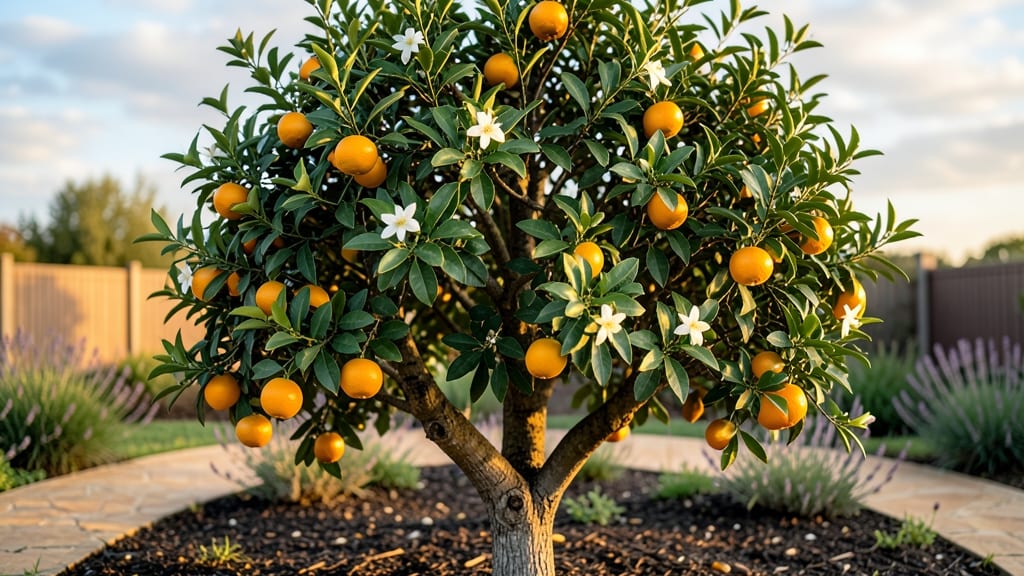
How tall an orange tree grows depends entirely on the variety you choose, with dwarf types reaching just 8 feet and standard varieties towering up to 30 feet—so your space and care habits will shape its future height.
Did you know some orange trees stay small enough for containers while others tower over your home? Understanding how tall orange trees grow helps you choose the right variety for your space—whether you dream of a backyard grove or a patio-sized citrus tree.
Most orange trees take 3 to 5 years to reach their mature height, with dramatic growth spurts in their first few years. In Zone 6a, where frost is a concern, planting in April or May gives them the best start before winter slows them down.
In this guide, you’ll learn how to control your orange tree’s height through pruning, which varieties stay compact, and how sunlight, water, and soil affect growth. By the end, you’ll know exactly what to expect—and how to shape your tree’s future.

Orange tree height by variety: dwarf vs. standard vs. semi-dwarf sizes
Choosing the right orange tree variety depends entirely on your space and vision. Some citrus trees stay compact enough for container gardening, while others reach towering heights that require backyard groves.
The key difference lies in their genetic dwarfing traits, which determine whether you'll end up with a 8-foot patio tree or a 30-foot landscape centerpiece. Let's break down the exact mature heights you can expect from popular varieties.
First, understand that dwarf citrus trees are bred to stay small, typically reaching 6-12 feet tall at maturity. These are perfect for balconies, patios, or small yards. Semi-dwarf varieties bridge the gap at 12-18 feet, ideal for larger containers or as focal points in medium-sized gardens.
Meanwhile, standard orange trees can soar to 20-30 feet, requiring significant space and professional care.
Here's the critical comparison you need before selecting your tree:
If you're wondering "Can I grow an orange tree in a pot?", the answer is yes—but only with dwarf varieties. A 15-gallon container works well for Meyer lemons or Calamondins, while larger semi-dwarf varieties may need 30-gallon pots to thrive.
Remember, container-grown trees need regular repotting every 2-3 years to accommodate root growth.
For small-space gardening, consider these top picks: The Meyer lemon stays under 8 feet and produces sweet, seedless fruit perfect for indoor-outdoor growing. The Calamondin is another excellent choice, offering ornamental value with its tiny red fruits and fragrant blossoms.
Both thrive in 5-gallon pots initially and can be moved indoors during winter in colder climates.
Don't assume all orange trees follow the same growth pattern. For example, while a standard Navel orange tree will reach 25 feet tall without intervention, its dwarf counterpart stays under 10 feet.
The difference comes down to rootstock selection—dwarf varieties are grafted onto citrange or trifoliate orange rootstock, which naturally restricts growth. This same technique is used for ap
How fast orange trees grow: height progression by age and seasonal factors
If you're wondering how fast orange trees grow, the answer depends on their age, variety, and growing conditions. Most orange trees experience their fastest growth in the first 3-5 years, with dramatic height increases during warm seasons.
Understanding this progression helps you plan for pruning, container sizes, or yard space needs.
Seasonal factors play a huge role—spring and summer spur rapid growth, while cooler months slow vertical expansion. In USDA Zone 9-11, where orange trees thrive, you'll see the most dramatic changes between March and October. Even in cooler zones, proper care can accelerate growth significantly.
- Year 0-1: 1-2 ft (seedlings or young saplings) 🌱
- Year 2: 3-5 ft (most rapid early growth) 🌿
- Year 3: 6-10 ft (tree establishes canopy) 🌳
- Year 4-5: 10-15 ft (growth slows as maturity nears) ⏰
- Mature Height: 20-30 ft (standard varieties) or 8-12 ft (dwarf) 🪴
Climate significantly impacts growth rates—orange trees in full sun with well-draining soil can grow 2-3 feet per year in ideal conditions. Coastal areas with mild winters often see faster growth than inland regions with hot summers and cold winters.
For example, a Meyer lemon in California may reach 6 feet in just 2 years, while the same variety in Florida might take 3 years.
Pruning plays a crucial role in managing height. If you prune regularly during late winter, you can control vertical growth and encourage bushier, fruit-bearing branches. I recommend pruning 10-15% of the canopy annually to maintain health without stunting growth. Over-pruning can reduce flowering and fruiting, so balance is key.
Seasonal variations are critical—spring growth spurts often see 6-12 inches of new height per month, while winter growth may halt entirely in cooler climates. If you're growing an orange tree in a container, expect slower growth due to root restriction.
Container-grown trees often mature 3-5 years later than those planted in the ground.
Remember, dwarf varieties like Calamondin or Improved Meyer grow much slower than standard types. With proper care, even a dwarf orange tree can produce fruit in 2-3 years while staying under 8 feet tall.
For faster growth, focus on consistent watering, monthly fertilization, and full sun exposure.