
Pruning
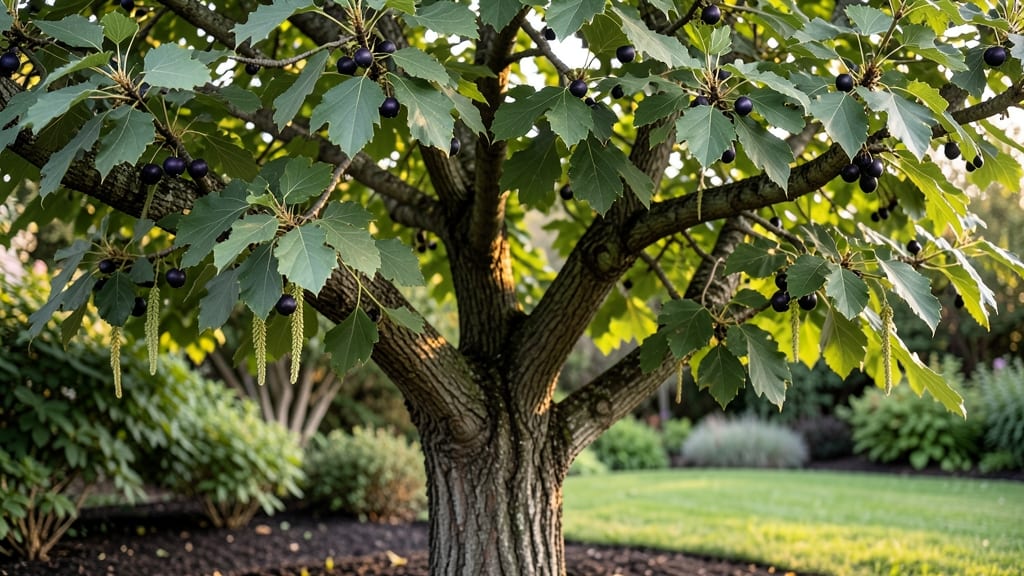
A large mulberry tree 🌳 can grow up to 50 feet tall—fast enough to cast shade in just a few years, but big enough to overwhelm even spacious yards if left unchecked.
Picture this: You plant a sapling in spring, and by summer, it’s already 6 feet tall, promising years of fruit and shelter. But without the right pruning tricks, that same tree could stretch to the height of a two-story house, blocking sunlight and crowding your garden.
Here’s the good news: Mulberry trees are one of the most prunable large trees out there. With the right techniques—like selective branch removal or pollarding—you can keep them at a manageable size without sacrificing fruit production or health.
In this guide, I’ll walk you through how fast these trees grow, the best pruning methods for small spaces, and the 5 biggest mistakes that stunt their growth. Whether you’ve got a backyard or just a sunny corner, you can have your shade and your mulberries too.
How fast do large mulberry trees grow & what to expect year by year
Large mulberry trees (Morus spp.) are among the fastest-growing shade trees, capable of adding 3-6 feet per year under ideal conditions. If you're planning to plant one, understanding their growth timeline and seasonal patterns will help you manage expectations and space.
These trees thrive in USDA Zones 6-9 and can reach maturity in just 5-10 years, making them a rewarding choice for gardeners with patience.
One of the biggest factors influencing their speed is climate and care. In warm, humid regions like the Southeast, mulberries grow faster than in cooler climates. Proper soil drainage, consistent watering, and full sun exposure (6+ hours daily) are non-negotiable for maximizing growth.
Without these, you might see growth slow to just 1-2 feet per year, especially in the first few seasons.
In their first year, mulberry trees focus on root development, so you’ll see modest height gains of 2-4 feet. This is when proper watering and soil prep (amending with compost) make the biggest difference.
I’ve seen seedlings in well-drained, loamy soil shoot up 4 feet in their first season, while those in clay or compacted soil struggle to exceed 2 feet. Mulching around the base with 3-4 inches of organic mulch helps retain moisture and encourages faster root spread.
By year 2-3, growth accelerates dramatically, with trees often reaching 6-10 feet tall. This is when you’ll notice the canopy widening, too—expect a spread of 3-5 feet.
If you’re planting near a fence or structure, this is the perfect time to start selective pruning to guide the tree’s shape. I recommend removing suckers at the base and thinning out crossing branches to prevent disease and improve airflow.
Years 4-5 mark the transition to fruit-bearing maturity, with trees hitting 12-18 feet and spreading 6-8 feet wide. At this stage, mulberries produce their first significant harvest, but growth remains vigorous.
This is also when you’ll need to plan for long-term space management, especially if your yard is small. Regular pollarding (cutting back main branches to a stub) can keep height in check while maintaining fruit production.
Once established (year 6+), mulberry trees grow more slowly but continue expanding their canopy. In ideal conditions, they can reach 20-40 feet by year 10, with a spread of 15-25 feet.
This is when their shade potential becomes truly valuable, providing cool relief for patios or play areas. However, without pruning, they can easily outgrow suburban yards, so plan for annual maintenance if space is limited.
Seasonal growth patterns play a key role in managing mulberry trees. In spring, expect new shoots to emerge quickly, especially after pruning.
Summer brings the most rapid growth, with trees adding 1-2 feet in height if conditions are optimal. Fall slows growth as the tree prepares for dormancy, and winter is a time for rest—though evergreen varieties like Morus notabilis may retain some leaves.
One common misconception is that mulberry trees grow equally well in all soils. While they’re adaptable, poor drainage can stunt growth by 30-50%. If your soil is heavy clay, consider planting on a mound or raised bed to improve drainage.
I’ve also found that sandy soils require more frequent watering to prevent drought stress, which can limit height gains to just 1-2 feet per year in extreme cases.
To maximize growth, monitor your tree’s water needs closely. Young trees need deep watering every 3-5 days, while established trees thrive on weekly deep soaks. Overwatering is just as harmful as underwatering—mulberries hate soggy roots.
In drought-prone areas, mulching and drip irrigation can make a huge difference, helping trees maintain 3-5 feet of annual growth even in dry summers.
If you’re growing mulberries for their fruit, timing is everything. Trees typically bear fruit by year 4-5, but heavy harvests require balanced care. Over-fertilizing with nitrogen can boost leafy growth at the expense of fruit, so stick to a 10-10-10 balanced fertilizer in early spring.
For the fastest growth and best fruit production, pair pruning in late winter with regular watering and full sun exposure.
Space-saving pruning techniques for large mulberry trees in small yards
Large mulberry trees can easily overwhelm small yards, but with the right space-saving pruning techniques, you can keep them under control while still enjoying their lush shade and delicious fruit.
The key is to prune strategically during the dormant season (late winter or early spring) to encourage compact growth and maintain a natural shape. Unlike many trees, mulberries respond well to selective pruning, allowing you to shape them without sacrificing health or fruit production.
One of the most effective methods for small spaces is pollarding, where you cut back major branches to a stub (about 6-12 inches above a bud). This technique forces the tree to grow multiple sturdy branches from the cut point, creating a bushier, more manageable form.
For younger trees, selective branch removal—targeting overlapping or weak branches—can prevent the tree from becoming too wide. Always use clean, sharp pruners to avoid damaging the tree and reduce the risk of disease.
- 1 Choose the right time: Prune in late winter or early spring (before buds swell) to avoid stressing the tree during active growth. Avoid pruning in fall, as wounds may not heal before winter.
- 2 Identify branches to remove: Focus on crossing branches, dead wood, and branches growing inward. Also target low-hanging branches that obstruct walkways or block sunlight to other plants.
- 3 Pollard major branches: Cut large branches back to a stub (6-12 inches above a bud) to encourage bushier growth. Make cuts at a 45-degree angle just above an outward-facing bud to promote healthy regrowth.
- 4 Thin the canopy: Remove up to 25% of the foliage by selectively pruning smaller branches to improve airflow and sunlight penetration. This reduces disease risk and enhances fruit production.
- 5 Clean and seal cuts: Sterilize pruners with rubbing alcohol between cuts to prevent bacterial spread. Seal larger cuts (over 2 inches) with pruning sealant to protect against pests and rot.
To maintain your mulberry tree’s shape long-term, prune lightly every year during the dormant season. Avoid heavy pruning in summer, as this can stress the tree and reduce fruit production.
If you’re growing mulberries for fruit, prioritize pruning non-fruiting branches first to redirect the tree’s energy toward berry production. Even in small yards, a well-pruned mulberry can thrive and provide years of shade and harvests with minimal space.
For urban or tight spaces, consider escalating pruning—gradually reducing branch length over time to keep the tree under 15 feet tall. This method is ideal for patios or small backyards where height is a concern.
Just remember: patience is key. Mulberries respond best to gradual pruning rather than drastic cuts, which can shock the tree and stunt growth. With consistent care, your mulberry will stay compact, healthy, and productive for decades.
Pro tip: Mark your pruning schedule on a calendar to avoid missing the optimal dormant-season window. A little planning goes a long way in keeping your mulberry tree manageable and beautiful—no matter how small your yard is! 🌳