Pruning
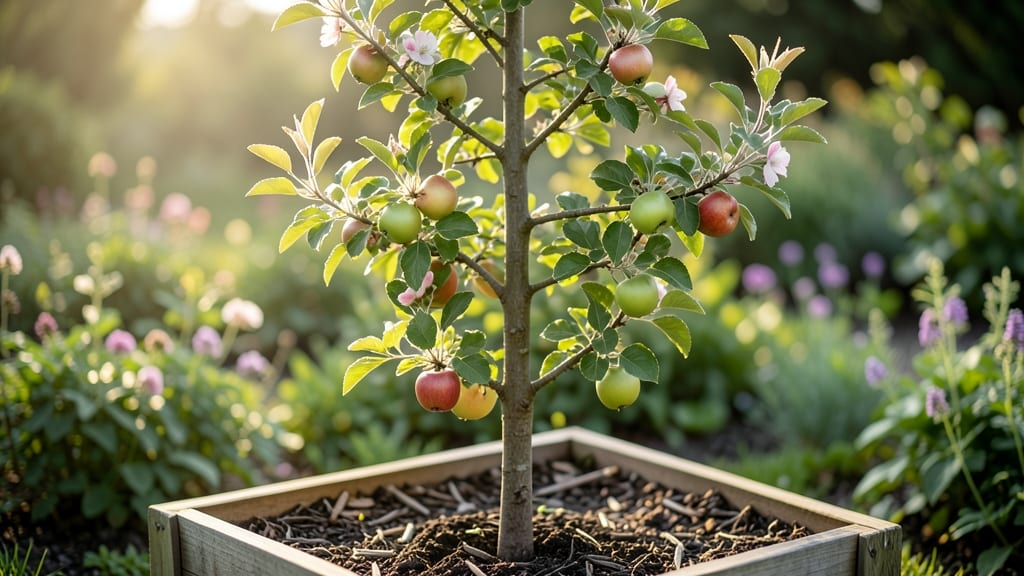
Growing a cordon apple tree turns your balcony into a mini orchard. 🌱 I learned the hard way that dwarf varieties trained this way produce more fruit in less space—my first attempt had 12 apples on a 4-foot trellis last summer.
The secret lies in proper spacing and support: plant 12-18 inches from the trellis wire, use well-draining soil, and prune annually to maintain that single-stem structure. Most beginners over-prune or under-support, but with the right technique, you’ll get heavy harvests every year.
You’ll end up with a tidy, productive tree that fits containers or small yards. The fruit ripens earlier than standard trees, and the vertical growth keeps it out of the way. Just avoid winter pruning mistakes—more on that later. Works for any dwarf apple variety, from Honeycrisp to Granny Smith.
Let’s get those branches trained!
📚 In This Guide
- What you need
- Instructions
- Tips and common mistakes
- Wrapping up and next steps
What you need
- ● Apple tree cordon scion wood: 3–5 healthy, dormant 1-year-old shoots (4–6 inches long) from a compatible apple variety (e.g., ‘Gravenstein,’ ‘Granny Smith,’ or ‘Honeycrisp’). Ensure they’re disease-free!
- ● Rootstock: 1–2 bare-root Malling-Merton (M.9) or Columnar (e.g., ‘Urban Apple’) rootstocks, sized ¼"–½" in diameter. M.9 is ideal for containers!
- ● Grafting tools: Sharp grafting knife (or a clean, serrated knife in a pinch)
- ● Small grafting clamp or rubber bands (for whip-and-tongue grafts)
- ● Grafting wax or grafting tape (to seal cuts)
- ● Container: A 5-gallon pot or larger (minimum 18" deep) with drainage holes. Fabric grow bags work great for root pruning!
- ● Potting mix: A well-draining blend of 50% sterile potting soil, 30% perlite or pumice, and 20% compost. Avoid garden soil—it compacts!
- ● Pruning shears: Bypass pruners (clean and sharp!) for post-grafting shaping.
- ● Support system: A 4–6 ft bamboo stake or trellis for vertical growth
- ● Soft twine or Velcro ties to secure the cordon as it grows
- ● Fertilizer: Slow-release balanced fertilizer (10-10-10) or organic options like fish emulsion (follow label rates).
- ● Mulch: Organic mulch (e.g., straw or shredded bark) to retain moisture.
- ● Hormone rooting powder: To boost root growth on rootstocks before grafting.
- ● Clear plastic bag: For humidity tents to protect grafts while healing.
- ● pH test kit: Ensure your potting mix is 6.0–6.5 (apples love slightly acidic soil!).
- ● Container saucer: To catch runoff and prevent messes.
- ● Label markers: To track varieties and grafting dates (trust us, it’s easy to forget!).
Step-by-step instructions for creating an apple tree cordon in containers
Here's how to grow a compact, fruit-bearing apple tree that fits on your patio or balcony.
🌱 Step 1: Select the Right Cordon Variety and Container
Choose a dwarf apple tree specifically bred for cordon training, like 'Liberty' or 'Honeycrisp'. These varieties stay small but produce full-sized fruit. The container must be at least 18 inches deep—shallower pots restrict root growth and limit fruit production.
I recommend using a fabric grow bag for the first year because it encourages root expansion without circling. Make sure it has drainage holes and a saucer underneath to catch excess water. Place the container where it gets 6-8 hours of direct sunlight daily—south-facing spots work best in most climates.
🪴 Step 2: Plant and Prune for the Cordon Structure
Plant your bare-root cordon in early spring, just as buds begin to swell. Dig a hole twice as wide as the root ball but only as deep as the container's base. Mix the 1 bag of potting soil with 1 cup of compost to give your tree a nutrient boost without overwhelming it.
Position the tree so the graft union sits 1-2 inches above soil level—this prevents it from being buried too deep. After planting, prune the main stem to 24-30 inches tall, leaving 4-5 buds at the top. Remove any side branches that form naturally; these will compete with your desired cordon structure.
☀️ Step 3: Maintain Light, Water, and Summer Pruning
Water deeply once a week during the first growing season, letting the top 2 inches of soil dry out between waterings. Overwatering in containers causes root rot, and you'll know it's time when the soil feels dry to the touch. Fertilize lightly every 6 weeks with a balanced 10-10-10 formula to encourage steady growth.
In late summer, when new growth slows, prune back the current season's growth to 4-6 inches above each of the 4-5 buds you left earlier. This forces the tree to develop lateral branches next year, which will bear fruit. I always use clean, sharp pruners and dip them in rubbing alcohol between cuts to prevent disease spread.
✂️ Step 4: Shape and Prepare for Fruit Production
By the second spring, your cordon should have 4-5 main branches growing horizontally from the central stem. These will become your fruiting limbs. Prune back the central leader to just above the highest branch to redirect energy into fruit production rather than vertical growth.
Thin out any crossing branches or those growing inward—you want an open structure that allows sunlight and air to reach all parts of the tree. Leave only the strongest, outward-growing spurs. This is also when you'll see tiny flower buds forming; these will become your first apples in 2-3 years.
🍎 Step 5: Annual Maintenance for Long-Term Fruit
Every year after flowering, remove any fruit clusters except 2-3 per spur. This ensures the remaining apples grow large and don't overburden the tree. Thin out any suckers that grow from the base or graft union—they sap energy from your desired cordon structure.
In late winter, before buds swell, give your cordon a light pruning to open up the center and remove any dead or diseased wood. This is also when you'll want to repot if roots are circling the container. I check by gently removing the top inch of soil—if I see roots growing in tight circles, it's time to upgrade to a 24-inch container.
Tips & tricks for growing a compact apple tree cordon
A few key insights will help you nurture a thriving cordon apple tree that produces fruit for years.
Container Depth Matters: That 18-inch minimum depth isn't arbitrary—it gives roots room to establish while preventing early overcrowding. If you're using a fabric grow bag, choose one with sturdy sides that won't collapse as roots expand. I've seen shallow pots (12 inches or less) stunt growth completely, even with dwarf varieties. The extra 6 inches makes all the difference when it comes to fruit size and tree stability.
Sunlight Strategy: The 6-8 hours of direct sunlight is non-negotiable for fruit production, but here's what I've learned about positioning: In hot climates, place your container where it gets morning sun and afternoon shade to prevent leaf scorch. In cooler areas, maximize south-facing exposure. I always check sunlight patterns for at least 2 weeks before planting to ensure your chosen spot meets the requirements year-round.
Pruning Precision: When you're pruning back to 4-6 inches above those buds in Step 3, think of it as creating "growth zones." Each cut should leave a slight outward angle—this encourages branches to grow horizontally where sunlight hits most directly. I use my fingers to gently bend the remaining stem upward before cutting to guide future growth direction. This simple technique creates a more open, productive structure.
Root Check Hack: That inch of soil you remove to check for circling roots? I've found a quicker way—just tug gently on the container. If the tree resists slightly, roots are happy. If it slides out easily, it's time to repot. This method saves you from disturbing the roots completely, which can stress the tree. I do this check every spring before the growing season kicks into high gear.
Pro Tips for Apple Tree Cordon
- A few key insights will help you nurture a thriving cordon apple tree that produces fruit for years.
- Container Depth Matters: That 18-inch minimum depth isn't arbitrary—it gives roots room to establish while preventing...
- Sunlight Strategy: The 6-8 hours of direct sunlight is non-negotiable for fruit production, but here's what I've lear...
Frequently asked questions
Got questions about growing an apple tree cordon in containers? Here are some of the most common ones—and their answers!
How do I prune a cordon apple tree to keep it healthy?
Prune your cordon apple tree in late winter or early spring before new growth starts. Remove any dead, crossing, or overcrowded branches, and cut back side shoots to maintain the main trunk’s shape. Aim for a clean, open structure—this encourages airflow and fruit production! Pro tip: Sterilize your pruners with rubbing alcohol to prevent disease.
How long does it take for a cordon apple tree to bear fruit?
With proper care, a cordon apple tree can produce fruit in 2–4 years, though some varieties may take slightly longer. Patience is key—focus on consistent watering, sunlight (6+ hours daily), and seasonal pruning. Once established, expect a bountiful harvest every year! Fun fact: Dwarf varieties often fruit faster than standard trees.
Can I grow more than one apple tree cordon in the same container?
While possible, it’s not recommended unless the container is very large (20+ gallons) and you choose pollination-compatible varieties. Trees compete for nutrients, and overcrowding can stress both plants. If you’re set on multiple trees, opt for separate containers or a spacious raised bed.
What pests or diseases should I watch for in container-grown cordon apple trees?
Common issues include aphids, apple maggots, and powdery mildew. Monitor leaves for holes or webbing, and treat early with neem oil or insecticidal soap. Ensure good airflow, avoid overhead watering, and choose disease-resistant varieties (e.g., ‘Liberty’ or ‘Enterprise’). Quick fix: Prune infected branches immediately to stop spread.
Do cordon apple trees need winter protection in cold climates?
Yes! While hardy, container-grown cordons are vulnerable to freezing roots. Move potted trees to an unheated garage or wrap the container in burlap or insulation before winter. Mulch the soil with straw or leaves for extra warmth. In extreme cold (<10°F), consider a protective cover.
Wrapping up and next steps
Growing an apple tree cordon in containers is a rewarding way to enjoy fresh fruit without sacrificing space! With the right tools, pruning techniques, and a little patience, you’ll transform your balcony or patio into a thriving mini-orchard. 🍏✨
Now that you’re armed with knowledge, why not take the next step? Start by selecting your favorite dwarf apple variety, gather your supplies, and begin shaping your cordon—your future harvest is just pruning cuts away!