
Companion Plants
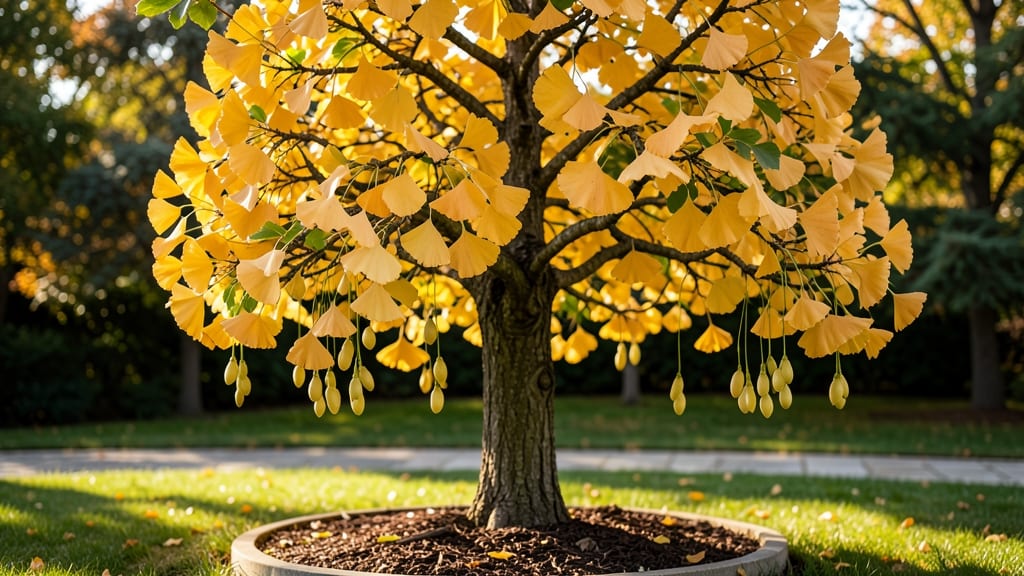
Growing maidenhair tree flowering plants takes patience—but the payoff is worth it. 🌿 These ancient trees are famous for their fan-shaped leaves and golden autumn hues, but their subtle spring blooms often get overlooked.
The key is mimicking their natural habitat: rich, slightly acidic soil, full sun, and consistent moisture without soggy roots.
Here's the thing—maidenhair trees are slow growers, and flowering usually takes 10-20 years in the ground. But in containers, you can accelerate their development with the right care. Start with a 5-gallon pot for young trees, upgrade to 15+ gallons as they mature, and use a well-draining mix with compost.
Prune lightly in late winter to shape the tree without sacrificing future blooms.
When they finally flower, you'll spot tiny, catkin-like blooms in early spring before the leaves emerge. The male trees produce more noticeable (though not showy) flowers, while females develop fleshy seeds later in the year.
With proper care, your maidenhair tree could be a year-round conversation piece—golden fall foliage, silvery winter bark, and delicate spring blossoms.
Container-growing means you can move them to protect from harsh winters or urban pollution. Just avoid overwatering, and watch for spider mites on dry days. The secret to flowering? Consistency. These trees reward long-term commitment with decades of graceful beauty—far beyond what most ornamental plants offer.
📚 In This Guide
- What you need
- Instructions
- Tips and common mistakes
- Wrapping up and next steps
What you need
- ● Container: A large, well-draining pot (minimum 18–24 inches in diameter) with drainage holes. Terracotta or resin works best.
- ● Potting Soil: 3–5 gallons of high-quality, well-draining potting mix (e.g., 50% peat moss, 30% perlite, 20% compost).
- ● Maidenhair Tree Sapling: A healthy, container-grown Ginkgo biloba (size 3–5 feet tall, depending on desired maturity).
- ● Fertilizer: Slow-release granular fertilizer (e.g., 10-10-10 NPK) or organic options like fish emulsion.
- ● Mulch: 1–2 inches of organic mulch (e.g., pine bark or shredded leaves) to retain moisture.
- ● Watering Can: With a rose attachment for gentle, deep watering.
- ● Pruning Shears: Sharp, sterilized shears for shaping and maintenance.
- ○ Support Stake (Optional): A 6–8 ft bamboo or metal stake if planting in windy areas.
- ● Soil Moisture Meter: To monitor root health.
- ● Container Trays: For easy drainage and water collection.
- ● Decorative Stones: For aesthetic container styling.
- ● Winter Protection: Burlap wrap or frost cloth for colder climates.
Step-by-step guide to cultivating maidenhair trees in containers
Here's how to nurture these stunning evergreens—where light, soil, and patience create breathtaking year-round beauty.
🪴 Step 1: Select the Right Container and Drainage
Choose a container at least 18 inches wide and deep with drainage holes—maidenhair trees (Ginkgo biloba) need room for their extensive root systems. I prefer unglazed ceramic or fiberglass because they breathe and prevent root rot. Add a 2-inch layer of gravel or broken pottery at the bottom before filling with soil.
This ensures excess water drains freely while preventing soil from clogging the holes. If your pot lacks drainage, drill holes yourself—roots will rot if moisture pools. A 5-gallon container accommodates one young tree perfectly, while mature specimens need at least 15 gallons to thrive.
🌱 Step 2: Prepare Well-Draining, Acidic Soil
Use a mix of 60% premium potting soil, 20% perlite, and 20% compost to create a loose, airy medium. Maidenhair trees despise soggy roots, so avoid garden soil—it compacts and suffocates delicate roots. I always test the pH with a meter; these trees prefer slightly acidic soil (6.0-6.5).
Amend the mix with a handful of sulfur granules if your soil tests too alkaline. Gently fluff the soil before planting—roots should glide into place without resistance. A 3-inch layer of bark mulch on top retains moisture while preventing crusting.
☀️ Step 3: Plant and Position for Optimal Light
Dig a hole twice as wide as the root ball but no deeper. Tease out any circling roots—this prevents girdling as the tree matures. Place the tree so the top of the root ball sits 1 inch below the container rim. Backfill with soil, pressing lightly to eliminate air pockets.
Position your maidenhair tree in full sun (6+ hours daily) for best foliage and flowering. A south-facing patio or balcony works perfectly. If you notice leaves yellowing or browning, it’s a sign of too much direct afternoon sun—move it to partial shade (morning sun, afternoon filter) instead.
💧 Step 4: Water Deeply and Establish a Routine
Water thoroughly until it drains from the bottom after planting, then let the top 2 inches of soil dry before watering again. Maidenhair trees are drought-tolerant once established, but young specimens need consistent moisture. Use a moisture meter to check—soil should feel like a wrung-out sponge, not damp or bone-dry.
Fertilize lightly in spring with a balanced 10-10-10 formula (half-strength) to encourage lush growth. Avoid heavy feeding—these trees prefer nutrient-poor conditions and over-fertilization causes leaf burn. Yellowing between veins signals iron deficiency; amend with chelated iron if needed.
✂️ Step 5: Prune and Maintain Year-Round Health
Prune in late winter or early spring before new growth begins. Remove dead, diseased, or crossing branches with clean, sharp shears. Maidenhair trees respond well to light shaping—trim leggy growth to encourage bushier form. Never remove more than 25% of foliage in one season.
Watch for scale insects or spider mites on undersides of leaves. Spray with neem oil at the first sign of webbing or sticky residue. In containers, roots can become root-bound—repot every 3-4 years in spring, upgrading to a pot 2-3 inches larger each time.
Tips & tricks for cultivating maidenhair trees in containers
These insights will help you avoid common pitfalls and create the perfect conditions for your maidenhair tree to flourish year after year.
Container Selection Wisdom: When choosing your 18-inch container, prioritize materials that mimic natural conditions. Terra cotta pots are excellent because they allow moisture to evaporate through their walls, creating a drier environment that mimics maidenhair trees' native habitats. Avoid plastic containers—they retain too much moisture and can lead to root rot. If you're using a decorative container without drainage, place it inside a cache pot with drainage holes and fill the space between with gravel.
Soil Mix Precision: The 60-20-20 soil ratio is ideal, but don't skimp on the perlite—it's what creates that essential airiness. I've found that adding a handful of orchid bark to the mix (about 10% of the total volume) further improves drainage without compromising moisture retention. This modification works particularly well for maidenhair trees in hot climates where soil dries out quickly. Always test your final mix by squeezing a handful—it should hold its shape but crumble easily when pressed.
Light Positioning Strategy: For the full sun requirement, pay special attention to afternoon sun in summer months. If your tree starts showing signs of stress (yellowing or crispy edges), move it to morning sun only. I've seen dramatic improvements by positioning trees near east-facing windows or under sheer curtains that filter direct sunlight. In winter, supplement with a grow light for 4-6 hours daily if natural light falls below 6 hours—this maintains consistent growth patterns throughout the year.
Watering Routine Mastery: The "wrung-out sponge" test is perfect, but let me share a pro tip: use a moisture meter specifically designed for container plants. These meters give more accurate readings than your finger, especially in the dense root zone. For maidenhair trees, aim to water when the meter reads between 30-40% moisture content. This range prevents both underwatering and the root rot that comes from overwatering—both of which can be fatal to these delicate trees.
Pro Tips for Maidenhair Tree Flowering Plants
- These insights will help you avoid common pitfalls and create the perfect conditions for your maidenhair tree to flourish year after year.
- Container Selection Wisdom: When choosing your 18-inch container, prioritize materials that mimic natural conditions.
- Soil Mix Precision: The 60-20-20 soil ratio is ideal, but don't skimp on the perlite—it's what creates that essential airiness.
Frequently asked questions
Got questions about nurturing the delicate beauty of Ginkgo biloba or its flowering companions? Here are some of the most common queries—plus quick answers to keep your maidenhair tree (and its floral friends) thriving!
What’s the best time of year to plant a maidenhair tree in containers?
The ideal window is early spring (after the last frost) or fall (6–8 weeks before the first frost). This gives roots time to establish before extreme temperatures. Avoid planting in summer heat—transplant shock + stress = unhappy trees!
Do maidenhair trees actually produce flowers? If not, what flowering plants pair well with them?
Nope—the maidenhair tree (Ginkgo biloba) is dioecious (male/female) and rarely flowers in cultivation (female trees produce fleshy, smelly seeds instead). Try these container-friendly flowering companions:
- Japanese maple (Acer palmatum) – Vibrant fall foliage + delicate blooms.
- Dwarf lilac (Syringa meyeri) – Fragrant spring flowers, compact size.
- Ornamental cherry (Prunus serrulata ‘Kanzan’) – Stunning pink blossoms in spring.
- Boxwood (Buxus sempervirens) – Evergreen structure + subtle spring flowers.
Why isn’t my maidenhair tree flowering (or showing female seeds)?
Most container-grown maidenhair trees don’t flower because:
- They’re young (takes 15–20 years for females to mature).
- They’re male (only females produce seeds—ask your nursery!).
- They’re stressed (overwatering, poor drainage, or root-bound conditions).
Focus on foliage health—golden fall leaves are the star! If you must have flowers, opt for the companion plants listed above.
How often should I water a maidenhair tree in a container?
Water when the top 1–2 inches of soil are dry (stick your finger in to check!). Containers dry out fast—typically:
- Spring/Fall: Every 5–7 days.
- Summer: Daily (or more if scorching hot).
- Winter: Every 2–3 weeks (let soil dry more).
Pro tip: Use a self-watering pot or mulch with bark chips to retain moisture.
Can I grow maidenhair trees from seed, or should I buy a nursery-grown plant?
While possible, growing from seed is slow and unreliable—it can take 10+ years for a seedling to mature! Nursery-grown plants (even young ones) are:
- Genetically stable (no surprises!).
- Disease-resistant.
- Ready to immediately adapt to containers.
Skip the seed route unless you’re patient and experimenting!
Wrapping up and next steps
The maidenhair tree (Ginkgo biloba) brings timeless beauty and adaptability to your container garden, offering year-round elegance with its lush foliage and delicate, fragrant flowers.
Whether you’re drawn to its cultural significance, low-maintenance care, or stunning autumn hues, this plant is a versatile addition for any space—big or small. 🌿
Ready to elevate your garden? Start by selecting the perfect container and location, then nurture your maidenhair tree with confidence. Watch it thrive and become the centerpiece of your outdoor haven!