
Pruning
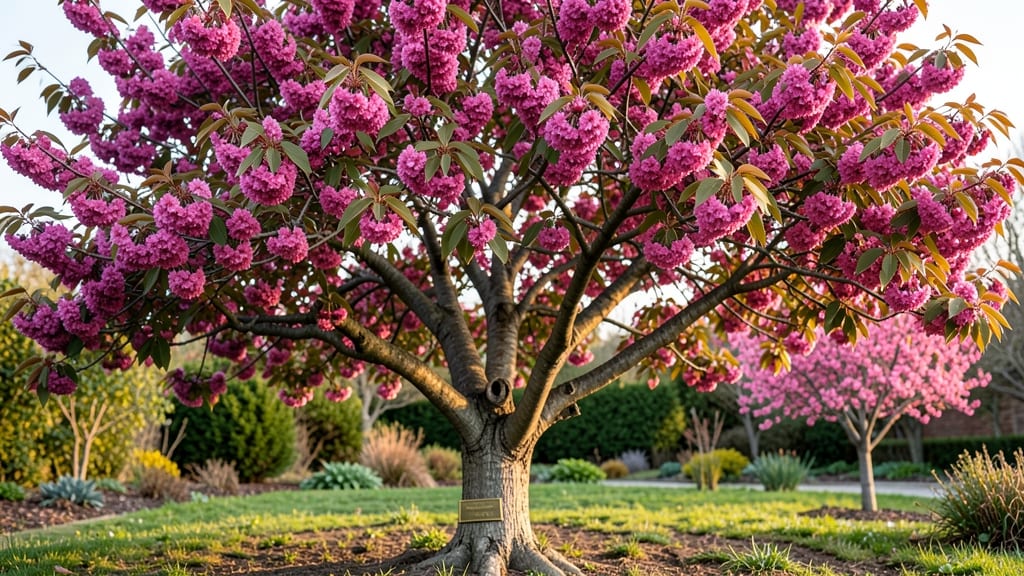
The lifespan of an ornamental cherry tree can span 50 to 100 years—or even longer—with the right care, making it a stunning, long-term investment for your landscape.
If you’ve ever admired the stunning pink blossoms of an ornamental cherry tree in spring, you’ve likely wondered: How long will it grace my yard? The answer depends on care, climate, and variety—but with the right knowledge, you can help yours thrive for decades.
Some varieties, like the beloved Yoshino cherry, often reach 80+ years when planted in ideal conditions, while others may struggle in harsh climates or poor soil. Pruning, soil health, and seasonal maintenance play a huge role in extending its lifespan.
In this guide, I’ll break down how long different types of ornamental cherry trees typically live, what signs to watch for as they age, and the 5 critical care factors that keep them healthy for generations.
Ornamental cherry tree lifespan by species: how long each variety lasts
Ornamental cherry trees (Prunus serrulata and hybrids) are prized for their breathtaking spring blooms, but their longevity varies dramatically by species and cultivation conditions. With proper care, these trees can live for 50–100 years, though some varieties thrive for just 20–30 years in less ideal climates.
The key difference often comes down to disease resistance, climate suitability, and natural aging patterns. Let’s break down the lifespan expectations for the most popular varieties so you can choose—and care for—a tree that will stand the test of time.
Most ornamental cherry trees are deciduous, meaning they shed leaves annually, but their flowering lifespan can outlast their structural longevity.
For example, a Yoshino cherry might produce stunning blossoms for 30–50 years before declining, while a Kwanzan cherry could grace your yard with vibrant pink flowers for 40–70 years if planted in the right USDA hardiness zone.
Even within species, individual trees can vary by 10–20 years depending on growing conditions. Understanding these differences helps you set realistic expectations and plan for long-term enjoyment.
Here’s a quick comparison of the most beloved ornamental cherry varieties and their typical lifespans, along with the factors that influence how long they’ll thrive in your landscape.
The Okame cherry stands out as the longest-lived variety, often surpassing 60–90 years with minimal care, thanks to its exceptional cold hardiness and disease resistance. This makes it an ideal choice for gardeners in USDA Zones 4–8 who want a low-maintenance tree with stunning early spring blooms.
In contrast, the Autumnalis cherry, while charming with its year-round blooming habit, typically lives only 30–40 years due to its susceptibility to bark diseases and need for sheltered environments.
Climate plays a critical role in determining how long your ornamental cherry tree will thrive. For example, Yoshino cherries excel in cooler climates (Zones 5–7) but may struggle in hot, humid regions like the Southeast, where fungal diseases like silver leaf fungus can shorten their lifespan by 20–30 years.
Similarly, Kwanzan cherries, beloved for their vibrant pink flowers, fare poorly in high-humidity areas unless given proactive disease management. Always check your local climate zone and microclimate conditions before selecting a variety.
Natural aging patterns also influence lifespan. Most ornamental cherry trees reach their peak flowering years between ages 15–25, after which their bloom intensity may gradually decline. However, with proper pruning and nutrient management
5 Critical care factors that extend an ornamental cherry tree’s lifespan
Ornamental cherry trees (Prunus serrulata) can live 50-100 years with proper care, but their lifespan often shrinks due to common mistakes. The secret to longevity lies in five critical care factors—each playing a vital role in keeping your tree healthy and vibrant.
Whether you have a Yoshino cherry or Kwanzan, these practices will help your tree thrive for decades.
Many gardeners overlook soil health and pruning techniques, which are just as important as watering and pest control. For example, compacted soil restricts root growth, while aggressive pruning can weaken the tree’s structure.
By focusing on these five areas, you’ll create an environment where your ornamental cherry can flourish naturally.
- 1 Pruning for Structure
- 2 Well-Draining Soil
- 3 Deep Watering
- 4 Pest Prevention
- 5 Seasonal Maintenance
Pruning for Structure is the first step to longevity. Many gardeners make the mistake of pruning too late in the season or removing too many branches at once. Instead, prune in late winter or early spring before new growth begins. This reduces stress and allows the tree to heal properly. Focus on removing dead, diseased, or crossing branches—never more than 25% of the canopy in one season.
Well-draining soil is non-negotiable for ornamental cherries. These trees hate soggy roots, which lead to root rot—a silent killer that shortens lifespan dramatically. Test your soil’s drainage by digging a hole, filling it with water, and timing how long it takes to drain. If water sits for more than 6 hours, amend with compost or sand to improve airflow.
When it comes to deep watering, most gardeners underestimate how much water these trees need. A mature ornamental cherry requires 10-20 gallons of water per week during dry spells.
Water deeply at the base (not just a light sprinkle) to encourage deep root growth. Early morning watering is best—it reduces fungal risks and evaporation losses.
Pest prevention starts with monitoring. Common threats like borers, aphids, and spider mites can weaken your tree over time. Inspect leaves and bark monthly, especially in spring and summer. Use neem oil or insecticidal soap for early treatment—never wait until pests become visible. Healthy trees are naturally resistant, so fertilize in early spring to boost their defenses.
Finally, seasonal maintenance keeps your tree in peak condition year-round. In fall, apply a 2-3 inch layer of mulch to protect roots from freezing. In winter, avoid salt damage from de-icing (use calcium chloride instead).
And in spring, thin out dense foliage to improve airflow—this prevents bacterial infections that can shorten lifespan.
By focusing on these five critical factors, your ornamental cherry tree can live well beyond 50 years, gracing your yard with stunning blooms for generations. Start with one area this season—your tree’s future depends on it! 🌸