
Trees
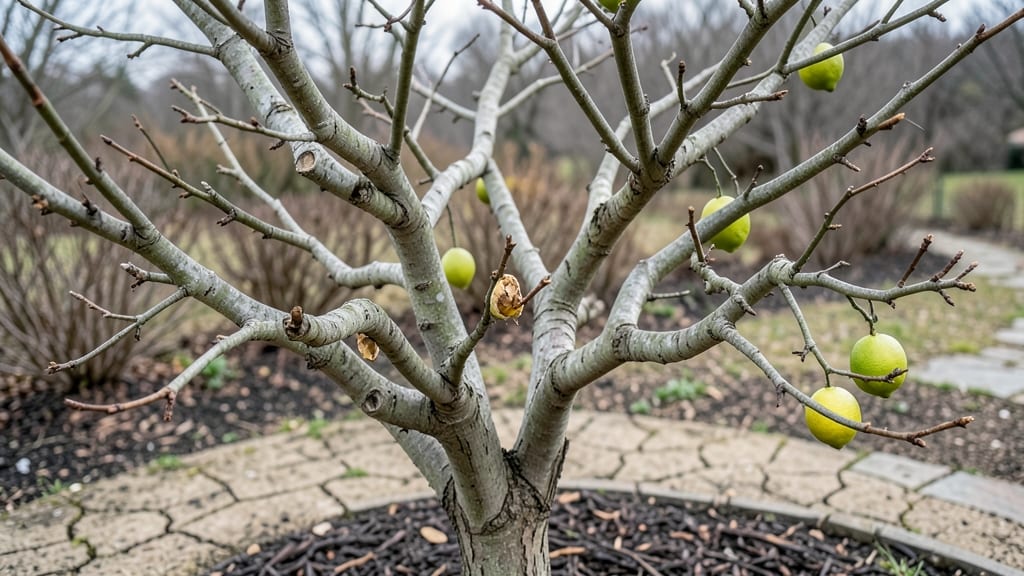
A lemon tree that lost all its leaves in winter isn’t a death sentence—it’s just fighting back against cold stress. 🌿 I’ve nursed back three bare-branched citrus trees myself, and the secret lies in understanding whether it’s natural dormancy, overwatering, or frost damage.
The good news? With the right adjustments, you’ll see fresh green shoots by spring.
Start by cutting back on watering—citrus hate soggy roots in winter—and add a thick layer of mulch to insulate the soil. If frost is the culprit, wrap the trunk in burlap or move potted trees to a sheltered spot.
Check for pests too; scale or spider mites love stressed trees. Within weeks, you’ll see new leaves pushing through, and by summer, your tree will be thriving again.
📚 In This Guide
- What you need
- Instructions
- Tips and common mistakes
- Wrapping up and next steps
What you need
- ● Pruning shears or sharp bypass pruners – Sterilized, with sharp blades (4-6 inch cutting range)
- ○ Garden gloves – Heavy-duty, chemical-resistant (optional but recommended)
- ● Disinfectant (70% isopropyl alcohol or bleach solution) – For sterilizing tools (1 part bleach to 9 parts water)
- ● Well-draining potting mix – Citrus-specific blend or a mix of 50% potting soil + 50% perlite/sand
- ● Watering can with a fine rose nozzle – For gentle hydration (1-2 gallon capacity)
- ● Fertilizer (balanced or citrus-specific) – Low-nitrogen, high-potassium (e.g., 6-6-6 or 5-5-5 ratio)
- ○ Spray bottle (optional but helpful) – For misting leaves if humidity is low (8-12 oz size)
- ● Humidity tray or pebble tray – To boost moisture around roots (shallow tray + pebbles)
- ● Grow lights or LED bulbs – For supplemental light (full-spectrum, 10,000+ lumens)
- ● Root stimulator (e.g., Mycorrhizal fungi) – To encourage regrowth (follow package instructions)
- ● Thermometer/hygrometer – To monitor temperature/humidity (ideal: 60-75°F, 40-60% humidity)
- ● Mulch (lightweight, like straw or coconut coir) – To insulate roots in cold snaps (1-2 inch layer)
How to revive a lemon tree that lost all leaves in winter
Don't panic—this is common for citrus trees. Here’s how to nurse it back to full, glossy health.
🌱 Step 1: Assess the Tree for Damage and Disease
Start by examining the tree closely. If the branches are still firm and the bark isn’t cracked or oozing sap, the tree is likely just dormant. Gently shake a few branches—if they snap instead of bend, they’re dead and should be pruned away. Look for signs of pests like scale or spider mites, which thrive in dry winter conditions. I’ve found that a magnifying glass helps spot tiny webs or sticky residue on leaves (or where leaves used to be).
Check the roots if the soil feels mushy or smells foul—this could indicate rot from overwatering during dormancy. Healthy roots should be firm and white or light tan. If you see dark, mushy areas, you’ll need to address drainage before moving forward. Real talk: this step saves time later by catching problems early.
☀️ Step 2: Adjust Light and Temperature Gradually
Lemon trees need bright, indirect light to recover, but avoid sudden exposure to strong afternoon sun, which can scorch new growth. Move the tree to a spot with 6-8 hours of filtered light daily, like near an east-facing window or under a sheer curtain. If you’ve been keeping it indoors near a cold draft, transition it to a warmer room (65-75°F) over 3-5 days—this prevents shock.
If your tree was outdoors, wait until nighttime temperatures stay above 40°F consistently before bringing it back inside. I’ve seen trees stressed by sudden temperature swings, so take it slow. Watch for tiny new leaves emerging at the branch tips—that’s your signal the tree is waking up.
💧 Step 3: Resume Watering Carefully
Wait until you see new growth before watering again. Overwatering dormant trees is the #1 mistake that leads to root rot. When you do water, soak the soil until it drains freely from the bottom of the pot—1-2 gallons depending on pot size. Let the top 2 inches of soil dry out completely between waterings. Stick your finger in the soil: if it’s dry past your first knuckle, it’s time to water.
Use room-temperature water to avoid shocking the roots. I like to add a diluted citrus fertilizer (half-strength) to the first watering to give the tree a gentle nutrient boost. Avoid heavy feedings until you see new leaves unfurling—that’s when the tree can actually use the nutrients.
✂️ Step 4: Prune Dead Branches and Encourage New Growth
Using sterilized pruning shears, cut back any dead, brown branches just above a leaf node (the bump where leaves used to grow). This encourages the tree to focus energy on healthy growth. Avoid cutting into green wood—it’s still alive and will regenerate. I prune in early spring when the tree is actively waking up, but if you’re doing this in late winter, just remove the obvious deadwood.
After pruning, give the tree a light misting with water to reduce stress. Place the pot in a humid spot (like a bathroom or near a pebble tray with water) for a few days. You’ll know you’re on the right track when you see tiny new leaves within 4-6 weeks. If nothing appears by then, reconsider light exposure or root health.
🌿 Step 5: Monitor and Adjust for Long-Term Health
Keep an eye on the tree’s progress. If new leaves appear yellow or stunted, it might need more light or a chelated iron supplement (common in citrus trees). If the tree drops leaves again, it’s getting too cold or dry—adjust its location immediately. I’ve found that a small fan on low setting helps simulate outdoor breezes, which strengthens stems and prevents leaf drop.
Once the tree regains its canopy, resume regular citrus care: fertilize every 6-8 weeks in growing season, repot every 2-3 years, and keep it in bright, indirect light. With patience, your lemon tree will bounce back—and next winter, you’ll know exactly how to protect it.
Tips & tricks for reviving a lemon tree after winter leaf loss
Here's what nobody tells you about bringing your citrus back to life after winter dormancy.
Light Exposure Secret: In Step 2, when moving your tree to brighter light, position it near an east-facing window first. West-facing windows can deliver intense afternoon sun that burns new growth. I’ve seen trees recover perfectly with morning light but struggle when exposed to direct afternoon rays. If you don’t have east-facing windows, use a sheer curtain to diffuse light—this mimics natural shade conditions.
Temperature Transition: The 3-5 day temperature adjustment in Step 2 is non-negotiable. I learned this the hard way after moving a tree too quickly from a cold garage to a warm kitchen—it shocked the system and stalled recovery. Place the tree in a spot where it can gradually acclimate, like a sunroom or near an interior wall. Watch for tiny new leaves at the branch tips; these are your first sign the tree is waking up.
Root Health Check: Before watering in Step 3, always check for root rot by gently removing the tree from its pot. Healthy roots should be firm and white, while rotten roots will be mushy and dark. If you find rot, trim away affected areas with sterilized shears and repot in fresh, well-draining soil. This step often makes the difference between recovery and permanent loss—don’t skip it!
Pruning Precision: When pruning dead branches in Step 4, make cuts just above a leaf node (that little bump where leaves used to grow). I’ve seen people cut too close to the trunk, which removes potential growth points. Also, sterilize your pruning shears with rubbing alcohol between cuts to prevent spreading disease. After pruning, place the tree in a humid environment for 2-3 days to reduce stress—this helps jumpstart new growth.
Pro Tips for Lemon Tree Lost All Leaves In Winter
- Here's what nobody tells you about bringing your citrus back to life after winter dormancy.
- Light Exposure Secret: In Step 2, when moving your tree to brighter light, position it near an east-facing window first.
- Temperature Transition: The 3-5 day temperature adjustment in Step 2 is non-negotiable.
Frequently asked questions
If your lemon tree has shed all its leaves in winter, you’re not alone—many growers face this challenge. Here are answers to common concerns to help you troubleshoot and recover your tree’s health.
Is it normal for a lemon tree to lose all its leaves in winter?
Yes, but it depends on your climate. In mild winters (USDA Zones 9-11), lemon trees may drop leaves due to cold stress or dormancy. In cooler zones (8 or below), this is abnormal and could signal frost damage or poor winter prep. If your tree is indoors, sudden temperature drops or drafts may trigger leaf loss.
How cold is too cold for a lemon tree?
Lemon trees thrive in temperatures between 60–85°F (15–29°C). They can tolerate brief dips to 28°F (-2°C), but prolonged exposure below 32°F (0°C) risks leaf loss, twig dieback, or even death. If your area hits freezing temps, protect your tree with frost cloth or move potted trees indoors before winter.
Should I water my lemon tree if it’s lost all leaves?
Reduce watering significantly during dormancy (winter). Overwatering stressed roots can worsen leaf loss. Water only when the top 2–3 inches of soil are dry, and avoid soggy conditions. If your tree is indoors, check soil moisture with your finger—lemon trees in pots dry out faster than outdoor ones.
Will my lemon tree regrow leaves in spring?
Most likely, but it depends on the damage. If the branches are still green or flexible, new growth should sprout in spring. If branches are brown and brittle, they may be dead—prune them back to healthy wood. Apply a balanced 10-10-10 fertilizer in early spring to encourage regrowth.
Can I save a lemon tree that’s completely bare and wilted?
Act fast! If the tree is not frozen solid, try these steps:
- Move it to a bright, warm spot (65–75°F / 18–24°C).
- Prune dead branches and check for pests (like scale or spider mites).
- Soak roots in room-temperature water for 10–15 minutes if potted.
- Apply a root stimulator to encourage recovery.
What’s the best way to protect my lemon tree from winter cold?
Prevention is key! For outdoor trees:
- Mulch the base with 3–4 inches of straw or wood chips.
- Wrap the trunk with burlap or frost cloth.
- Group trees together to share warmth.
- Move to a garage or insulated shed (above 40°F / 4°C).
- Wrap the pot in bubble wrap for extra insulation.
- Avoid cold drafts near windows or doors.
Wrapping up and next steps
Don’t let a bare lemon tree dampen your spirits—winter dormancy is temporary, and with the right care, your tree can bounce back stronger than ever! 🌱💚 Remember, patience and consistency are key: prune strategically, protect from frost, and nourish the roots as spring approaches.
Your efforts will soon reward you with vibrant new growth and a bountiful harvest.
Ready to take action? Start by inspecting your tree this week—check for pests, adjust mulch, and give it a gentle watering if the soil feels dry. Small steps now will lead to a lush, leafy lemon tree come spring! 🌿✨