
How To
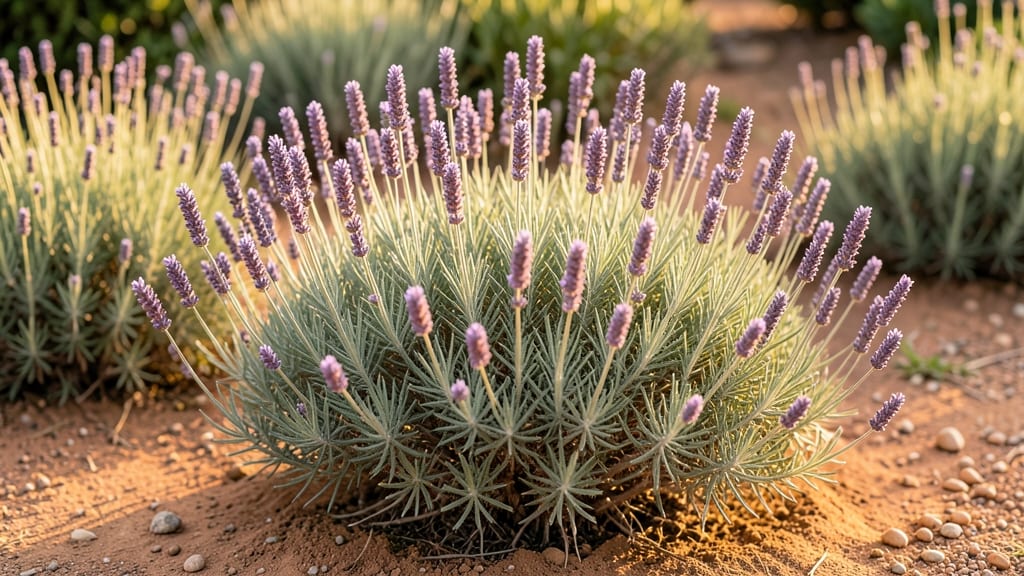
A lavender tree grows how tall does it grow between 6 and 12 feet at maturity, depending on the variety and how you prune it—so yes, it can become a towering garden statement piece if left unchecked.
If you’ve ever dreamed of a fragrant, purple-streaked garden centerpiece but worry about lavender trees taking over your space, you’re not alone. Many gardeners struggle with controlling their growth, especially when the plant outpaces expectations.
The good news? With the right pruning techniques, you can shape it into a compact, blooming powerhouse—without sacrificing beauty or health.
Not all lavender varieties reach the same height. Dwarf types like Lavandula angustifolia max out around 3 to 5 feet, while standard shrubs like Lavandula x intermedia (think 'Grosso') can stretch toward 8 to 12 feet if unpruned.
Sunlight, soil, and seasonal care play a huge role in how tall—or short—your lavender grows.
In this guide, I’ll break down the height ranges by variety, share seasonal pruning secrets to keep it in check, and reveal the 5 best tricks to maintain a tidy, blooming lavender tree year after year.

Natural height range of lavender trees by variety and seasonal growth patterns
Understanding how tall your lavender tree will grow depends entirely on the variety you choose and your climate zone. Most lavender varieties are woody shrubs, not true trees, but they can reach impressive heights—especially when left unpruned.
For example, Lavandula angustifolia (English lavender) typically matures between 1-3 feet, while Lavandula x intermedia hybrids like 'Grosso' can soar up to 6-12 feet in ideal conditions.
Seasonal growth patterns also play a critical role. Lavender experiences active growth in spring and early summer, with new shoots emerging as temperatures rise. However, by late summer and fall, growth slows dramatically as the plant prepares for winter dormancy.
In colder climates (USDA zones 5-7), lavender may even shed some foliage to conserve energy, which can temporarily reduce its height.
Your local climate significantly impacts mature height. In warmer zones (8-10), lavender can grow 20-30% taller due to extended growing seasons. Meanwhile, in cooler zones (4-6), growth may be stunted without winter protection, like mulch or burlap wraps.
Always check the USDA zone recommendations for your specific lavender variety before planting.
| Variety | Mature Height | Growth Rate | Seasonal Notes |
|---|---|---|---|
| Lavandula angustifolia ('English Lavender') | 1-3 ft | Slow to moderate | Dormant in winter; prune after blooming |
| Lavandula x intermedia ('Grosso') | 6-12 ft | Moderate to fast | Needs annual pruning; blooms late summer |
| Lavandula stoechas ('French Lavender') | 2-4 ft | Moderate | Heat-loving; prune lightly after flowering |
| Lavandula dentata ('Lace Lavender') | 3-5 ft | Slow | Drought-tolerant; minimal pruning needed |
| Dwarf Varieties (e.g., 'Hidcote') | 1-2 ft | Very slow | Ideal for containers; prune lightly |
If you're growing lavender in containers, expect 20-30% shorter heights compared to in-ground plants. Container lavender also benefits from regular root pruning to encourage bushier growth. For example, a 6-foot 'Grosso' in the ground might only reach 4 feet in a large pot due to restricted root space.
Always use well-draining soil mixes with added perlite or sand to prevent root rot.
Another key factor is soil quality. Lavender thrives in alkaline, sandy soil with a pH between 6.5-7.5. Poor soil conditions can stunt growth, while rich, organic soil may encourage overly lush foliage at the expense of fragrant blooms.
Amend heavy clay soil with gravel or coarse sand to improve drainage—this is critical for preventing height stunting due to root stress.
For gardeners in coastal climates, salt spray and high humidity can reduce lavender's height by up to 25%. If you live near the ocean, plant lavender at least 50 feet inland and mulch heavily with gravel to protect roots.
In arid regions, lavender may grow taller but with less dense foliage, so supplemental watering during drought years can help maintain a balanced shape.
One of the biggest mistakes I see is assuming all lavender varieties grow the same. For instance, Lavandula angustifolia stays compact, while Lavandula x intermedia varieties like 'Providence' can reach 8 feet without pruning.
Always check the breeder’s notes or plant tags for mature height expectations. If space is limited, opt for dwarf varieties like 'Hidcote' or 'Munstead,' which max out at 1-2 feet.
Seasonal pruning is your
Step-by-step pruning guide to control lavender tree height by season
Pruning your lavender tree isn’t just about keeping it tidy—it’s the secret to controlling its height and encouraging lush, fragrant blooms. Without proper pruning, your 6-12 ft lavender can quickly become leggy or overgrown, losing its compact charm.
The key is timing: prune at the right season with the right tools, and you’ll maintain a manageable size while promoting healthy growth.
Lavender trees respond best to seasonal pruning, with each season offering unique opportunities to shape your plant. Spring is for light shaping, summer focuses on bloom maintenance, and fall prepares your lavender for winter dormancy.
Avoid heavy pruning in winter, as this can stress the plant and invite pests. Let’s dive into the step-by-step process to keep your lavender tree at your desired height.
🌿 Seasonal Pruning Steps for Lavender Trees
- 🌱 Spring (March-April): Prune lightly to remove dead or damaged branches. Use bypass pruners to trim back 1/3 of last year’s growth to encourage new shoots and maintain shape.
- ☀️ Summer (June-August): After flowering, trim spent blooms to 1/2 inch above a leaf node. Avoid heavy pruning—focus on shaping and removing only overgrown stems to prevent legginess.
- 🍂 Fall (September-October): Prune minimally to remove any weak or crossing branches. This prepares the plant for winter dormancy and prevents pest entry points.
- ❄️ Winter (November-February): Avoid pruning entirely. Lavender is dormant, and cutting now can stunt new growth and invite fungal issues.
✂️ Pro Tip: Always use sterilized bypass pruners and cut at a 45-degree angle just above a leaf node to promote healing.
When pruning, never cut into old wood—this can kill the branch. Instead, focus on young, green growth to encourage bushier, more compact growth. If your lavender tree is over 6 ft tall and you want to reduce height, spread the pruning over two seasons to avoid shocking the plant.
For example, trim 1/3 of the height in spring and another 1/3 in summer.
Avoid these common pruning mistakes that can harm your lavender tree: pruning too late in the season, using dull or dirty shears, or cutting into the woody stems.
Over-pruning can also lead to pests like spider mites or aphids, which thrive on stressed plants. Always sterilize tools with rubbing alcohol between cuts to prevent disease spread.
For tree-like lavender varieties like Lavandula x intermedia 'Grosso', which can reach 8-10 ft tall, pruning in layers is key. Start by removing dead or crossing branches from the bottom up, then shape the top to maintain an upright, tree-like form.
This method ensures your lavender stays compact and healthy while maximizing its fragrant blooms.
With consistent seasonal pruning, your lavender tree will stay at your desired height—whether you prefer a compact shrub or a tall, tree-like specimen.
The secret is patience and precision: trim little and often, and your lavender will reward you with abundant blooms and lush foliage for years to come. 🌿