
How To
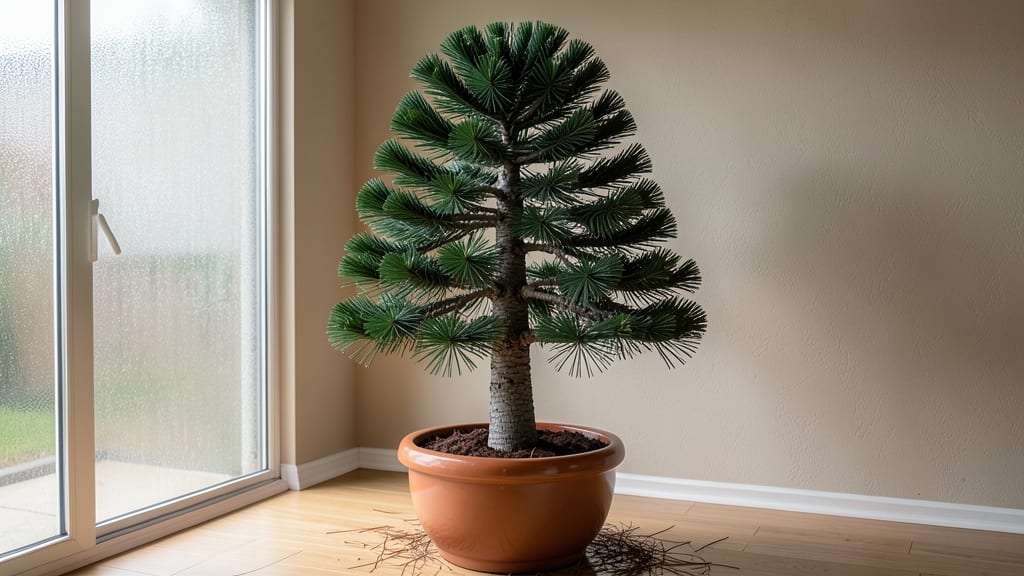
A Christmas tree can grow anywhere from 10 to 60 feet tall, depending on the species and growing conditions — some varieties will dwarf your house while others stay perfectly manageable.
Picture this: a 60-foot Fraser fir towering over your roof, or a compact Dwarf Alberta Spruce that fits neatly in a corner. The difference isn’t just about space—it’s about how fast they grow, how much care they need, and whether your yard can handle their mature size.
In this guide, I’ll break down the fastest-growing species (like Leyland cypress hybrids) that reach holiday-ready heights in 5–10 years, compare them to slow-growing giants, and share pruning tips to control height if you’re working with limited space.
Whether you’re dreaming of a towering centerpiece or need a tree that won’t outgrow your patio, you’ll find out exactly which species fits your vision—and how to keep it there.

Christmas tree height by species: fastest-growing giants vs. compact options
If you’ve ever dreamed of growing your own Christmas tree but worried about space, you’re not alone. Some varieties stretch toward the sky like skyscrapers, while others stay cozy and manageable.
The Douglas fir, for example, can reach 60–100 feet in its natural habitat—but that’s not the full story. Growth rates and cultivation methods play huge roles in how tall your tree will become in your backyard.
Let’s break down the giants, the mid-sized stars, and the compact dwarfs so you can pick the perfect fit for your space.
Before we dive into species, here’s a critical fact: Christmas trees are conifers, and their height potential depends on two key factors: genetics and growing conditions.
A Fraser fir might top out at 30–50 feet in the wild, but with proper pruning and spacing, you can keep it at a 6–8 foot holiday height. Understanding these variables will help you avoid planting a tree that outgrows your yard—or your patience!
For visual clarity, here’s a side-by-side comparison of mature heights, growth rates, and space requirements for 10 popular Christmas tree species.
This table will help you decide whether your backyard is ready for a Giant Sequoia (yes, they’re technically Christmas trees!) or a dwarf Alberta spruce that fits in a planter.
How to estimate a Christmas tree’s future height before planting
Predicting how tall your Christmas tree will grow starts with understanding its species traits and seedling size. A 2-foot sapling of a Douglas fir might reach 60 feet tall in 30 years, while a dwarf Alberta spruce stays under 8 feet.
Start by checking the nursery label—it lists the mature height range for the variety you’re buying.
Your climate zone plays a huge role too. Trees in USDA Zone 5 grow slower than those in Zone 8 due to shorter growing seasons.
For example, a Fraser fir in Florida may hit 15 feet in 10 years, while the same tree in Minnesota could take 15 years to reach that height.
| Species | Seedling Height (Year 1) | Mature Height (Years 20-30) | Spacing Needed (Feet) |
|---|---|---|---|
| Douglas Fir | 1-2 ft | 60-100 ft | 20-30 ft |
| Fraser Fir | 2-3 ft | 40-60 ft | 15-20 ft |
| Dwarf Alberta Spruce | 6-12 in | 4-8 ft | 3-5 ft |
| Scotch Pine | 1-2 ft | 50-70 ft | 18-25 ft |
| Leyland Cypress (Hybrid) | 3-5 ft | 30-40 ft | 10-15 ft |
Proper soil preparation can accelerate or slow growth. Amend heavy clay with compost and sand to improve drainage, which encourages faster root development. If your soil is nutrient-poor, add a slow-release fertilizer (like 10-10-10) in early spring to fuel vertical growth.
Avoid over-fertilizing—it can lead to weak wood and pest vulnerabilities.
To control height in tight spaces, prune selectively during the dormant season (late fall/winter). Cut back 1/3 of the new growth each year to redirect energy to width instead of height.
For example, a Norway spruce in a 10-foot-wide yard should be pruned annually to stay under 15 feet tall. Never prune more than 25% of the canopy at once—this stresses the tree.
Finally, spacing is critical. Plant trees 6–10 feet apart for full growth, but reduce this to 3–5 feet if you’re growing dwarf varieties. Crowding stunts height but can lead to disease spread due to poor airflow.
In urban areas, consider container-grown trees with root pruning to limit size—just be prepared to repot every 2–3 years.
With these factors in mind, you can turn your backyard into a Christmas tree haven—whether you want a 6-foot dwarf or a 60-foot giant. Start small, plan ahead, and your tree will thrive for decades. 🌲