
How To
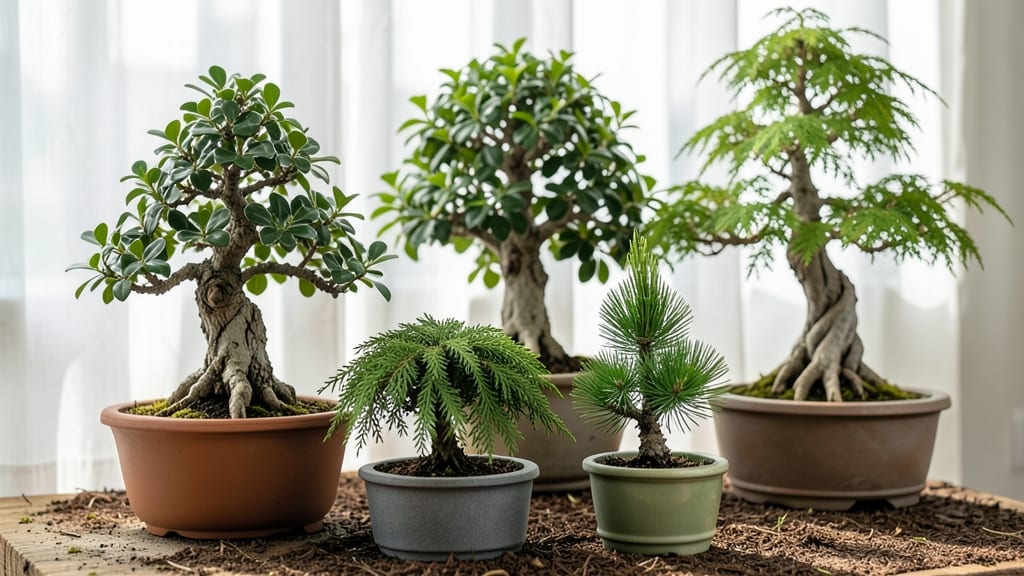
A bonsai tree grows to heights as small as 6 inches or as tall as 3 feet, depending entirely on the species and how you shape it 🌳 — which means your windowsill dreams (or garden aspirations) are totally within reach.
If you’ve ever dreamed of growing a bonsai tree but wondered whether it can fit on your windowsill—or if it’ll eventually need a dedicated garden spot—you’re not alone.
The truth is, bonsai trees grow to wildly different heights depending on the species, your pruning techniques, and even the pot you choose.
Some varieties, like the Ficus, stay compact at just 12–18 inches with regular trimming, while others, like the Black Pine, can stretch toward 3 feet if left unchecked. The key? Understanding your tree’s natural growth habits and learning how to guide it with precision.
In this guide, I’ll break down the height ranges for 12+ common bonsai species, share the exact pruning and wiring methods to control growth, and reveal the 5 biggest mistakes that make bonsai trees grow too tall.
Whether you’re a beginner or a seasoned grower, you’ll leave here knowing exactly how to keep your bonsai at your ideal height.

Bonsai tree height by species: mature size ranges for popular varieties
Choosing a bonsai tree often starts with a simple question: how tall will it grow? The answer depends entirely on the species, as some bonsai varieties stay compact enough for a desk, while others reach heights that require careful space planning.
Understanding these mature size ranges helps you pick the right tree for your home or garden. Tropical species like Ficus retusa often stay smaller, while temperate conifers like Japanese black pine can grow taller with proper care.
Bonsai trees originate from three main climate zones: tropical (warm year-round), temperate (four seasons), and cold-hardy (surviving freezing temps). This classification directly impacts their growth potential—tropical varieties grow slower but need consistent warmth, while temperate species may grow faster but require dormancy periods.
Your local climate and indoor conditions will also play a role in determining whether your bonsai hits the minimum or maximum height range for its species.
Here’s a quick reference for 12 popular bonsai species and their typical mature heights, including dwarf and standard varieties. Use this as your starting point before factoring in pruning and pot size—both of which can significantly stunt or encourage growth.
| Species | Origin | Dwarf Variety Height | Standard Variety Height | Growth Rate | ||||||||
|---|---|---|---|---|---|---|---|---|---|---|---|---|
| Ficus retusa (Ginseng Ficus) | Tropical | 12–18 inches | 18–24 inches | Slow to moderate | ||||||||
| Juniperus procumbens (Japanese Garden Juniper) | Temperate | 10–16 inches | 16–24 inches | Moderate | ||||||||
| Pinus thunbergii (Japanese Black Pine) | Temperate | 18–24 inches | 24–36 inches | Moderate to fast | ||||||||
| Acer palmatum (Japanese Maple) | Temperate | 12–18 inches | 18–28 inches | Slow | ||||||||
| Carmona microphylla (Fukien Tea) | Tropical | 10–14 inches | 14–20 inches | Slow | ||||||||
| Serissa foetida (Snow Rose) | Tropical | 6–12 inches | 12–18 inches | Very slow | ||||||||
| Picea glauca (White Spruce) | Cold-hardy | 16–24 inches | 24–36 inches | Moderate to fast | ||||||||
How to control bonsai tree height: pruning, wiring, and pot size techniquesControlling your bonsai tree height starts with understanding the three key levers: pruning, wiring, and pot size. Each technique works differently—pruning cuts back growth directly, wiring guides it into desired shapes, and pot size limits root expansion. For example, a ficus bonsai in a 6-inch pot will stay shorter than the same tree in a 12-inch container, even with identical pruning. Timing matters just as much as technique. I recommend spring pruning (just after bud break) for most species, while root pruning every 2-3 years in early spring prevents roots from outgrowing the pot. Tropical bonsai like jade trees can handle pruning year-round, but deciduous types (like maple bonsai) need winter dormancy before pruning. Pros & Cons of Growth Control Methods
*Best results combine all three methods for balanced growth control. For aggressive height control, I use a combination of defoliation (removing leaves) and root pruning every 12 months. This works best for juniper bonsai—I’ve kept mine under 12 inches for 5 years using this method. However, delicate species like serissa need a gentler approach: just tip pruning every 3 months and avoiding root disturbance. Wiring is my secret weapon for shaping without sacrificing height. I use aluminum or copper wire (never plastic) wrapped at a 45-degree angle to gently bend branches. Remember to remove wires before they cut into the bark—typically after 3-6 months. For pine bonsai, I wire in early spring to shape the canopy before new growth begins. Pot size often gets overlooked, but it’s the foundation of height control. A shallow bonsai pot (3-4 inches deep) restricts root growth, which naturally limits trunk and branch expansion. I repot my azalea bonsai annually into slightly larger pots (just 1/4 inch wider) to maintain its compact 8-inch height. Over-potting by even 1 inch can double growth rate in a year. Pro tip: Combine these techniques seasonally. Prune in spring, wire in early summer, and repot in late winter. My bonsai collection stays between 6-18 inches tall year-round by following this schedule—no matter the species. The key is consistency and species-specific adjustments. |