
Pruning
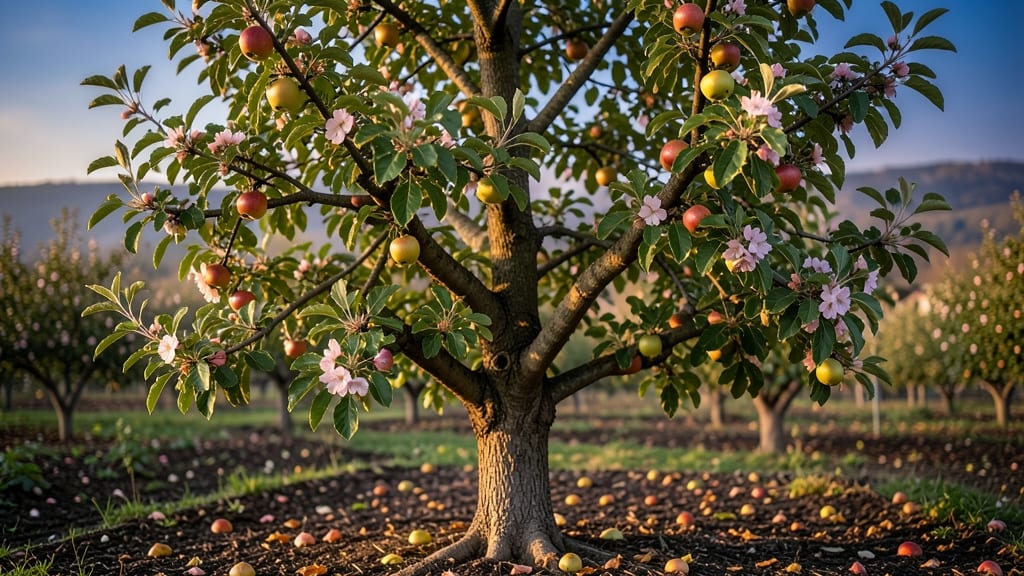
Apple trees take 3 to 5 years to bear fruit after planting, though dwarf varieties can produce in 2 years with proper care. Standard trees may require up to 7 years, while heirloom varieties often need 5–10 years before full fruit production. Strategic pruning and early blooming can significantly speed up the process.
Timing varies dramatically based on the apple tree's genetic type and growing conditions.
Dwarf varieties like 'GoldRush' or 'Anna' are bred for rapid production, often fruiting within 1–2 years when planted in ideal soil with consistent care. 🍏 Meanwhile, heirloom varieties such as 'Granny Smith' or 'Winesap' may take 7–10 years due to their slower maturation rates.
Climate also plays a role—trees in warmer zones may fruit sooner, while those in colder regions could face delayed production. Proper pollination and winter protection further influence how quickly your tree starts bearing fruit.
What many gardeners overlook is how rootstock selection affects fruiting time. Semi-dwarf trees on M.9 rootstock typically produce faster than full-size trees on seedling rootstock, which can add 2–3 extra years to the timeline.
I recommend testing your soil's pH and nutrient levels before planting—trees with balanced nutrition and proper drainage establish roots faster, leading to earlier blooms and fruit. For those impatient for apples, choosing a self-pollinating variety like 'Liberty' or 'Enterprise' eliminates the need for cross-pollination, which can also speed up fruiting.
💡 In This Article
- Apple Tree Variety Timeline: Dwarf vs Standard vs Heirloom Fruiting Schedules
- Accelerating Apple Tree Fruit Production: Essential Care Factors
Apple tree variety timeline: dwarf vs standard vs heirloom fruiting schedules
The fruiting timeline of an apple tree begins with its genetic makeup and rootstock. Dwarf varieties like 'GoldRush' or 'Anna' are specifically bred to mature quickly, often producing fruit within 1–2 years when grown on M.9 rootstock.
These trees stay under 8–10 feet tall, making them ideal for small gardens or containers. The key here is their compact size—smaller trees require less energy to establish roots and can allocate resources to fruit production sooner. 🌱
Standard apple trees, like 'Granny Smith' or 'Fuji', typically take 5–7 years to bear fruit because they're grafted onto larger rootstocks that promote slower growth. These trees can reach 20–30 feet tall and need more time to develop a robust structure before producing significant yields.
Heirloom varieties often follow similar timelines, though some, like 'Winesap', may take 7–10 years due to their slower metabolic rates and sensitivity to environmental stressors. The rootstock matters too—trees on MM.106 or MM.111 rootstocks mature faster than those on seedling rootstocks.
Climate plays a critical role in fruiting schedules. Trees in USDA zones 5–7 often produce fruit 1–2 years earlier than those in colder zones (3–4) because they experience longer growing seasons.
For example, a 'Honeycrisp' tree in Minnesota might take 5 years to fruit, while the same variety in North Carolina could produce in 3–4 years. Early blooming varieties, like 'Anna', also benefit from warmer winters, as they require fewer chill hours to break dormancy and initiate flowering.
Grafting further influences fruiting time. When a scion (the desired apple variety) is grafted onto a rootstock, the rootstock's vigor determines how quickly the tree matures. Dwarfing rootstocks like M.26 or M.9 accelerate fruiting by 2–3 years compared to standard rootstocks.
However, graft unions can sometimes weaken if the rootstock and scion aren't compatible, leading to delayed or reduced fruit production. Always choose certified, disease-resistant rootstocks to avoid setbacks.
Consider these fruiting timelines by variety type:
- Dwarf varieties: 1–2 years (e.g., 'GoldRush', 'Anna', 'Zestar!')
- Semi-dwarf varieties: 3–4 years (e.g., 'Honeycrisp', 'Gala')
- Standard varieties: 5–7 years (e.g., 'Granny Smith', 'Fuji')
- Heirloom varieties: 5–10 years (e.g., 'Winesap', 'Ashmead's Kernel')
For the fastest results, pair a dwarf variety with a vigorous rootstock and plant in well-drained soil with a pH of 6.0–7.0. This combination ensures optimal nutrient uptake and reduces stress, helping your tree reach fruiting age as quickly as possible. 🍎