
How To
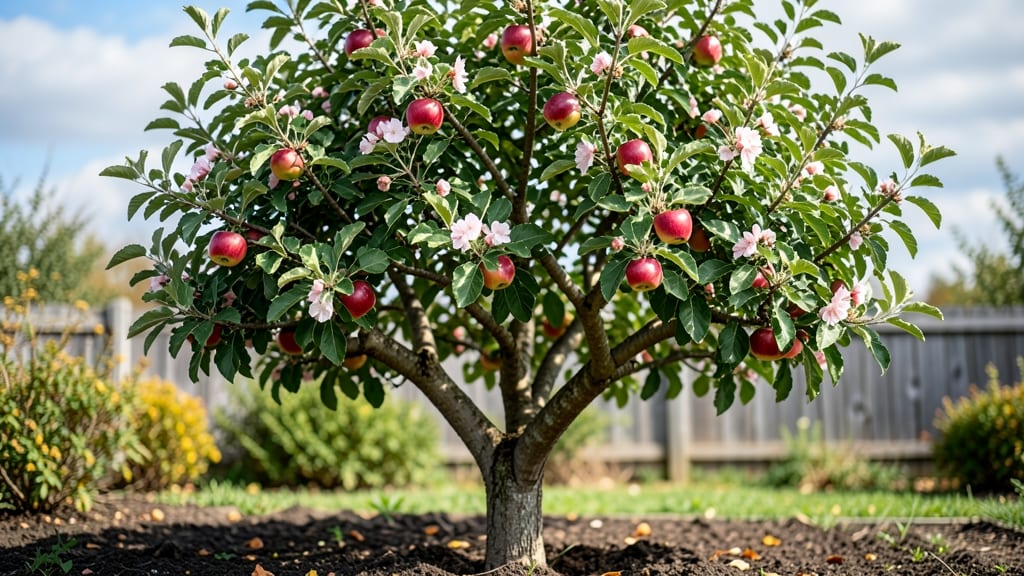
A Fuji apple tree 🍎 can grow anywhere from 8 to 25 feet tall, depending on whether you plant a dwarf, semi-dwarf, or standard variety—and how aggressively you prune it.
Picture this: a 25-foot-tall tree casting shade over your patio or a compact 8-foot version perfect for a small backyard or even a large container. The difference isn’t just aesthetics—it’s about space planning, fruit access, and long-term care.
Standard Fuji apple trees reach their full height of 15 to 25 feet within a decade, while dwarf varieties stay between 8 and 12 feet, making them ideal for urban gardens or tight spaces. Semi-dwarf trees fall somewhere in between, typically hitting 12 to 18 feet at maturity.
In this guide, I’ll break down the height ranges by variety, share pruning tips to control growth, and help you pick the perfect Fuji apple tree for your space—whether you’re dreaming of a backyard orchard or a patio-friendly fruit producer.

Fuji apple tree height ranges by variety: standard vs dwarf vs semi-dwarf sizes
Choosing a Fuji apple tree means deciding between towering fruit producers and compact varieties perfect for small spaces. The height difference between standard, semi-dwarf, and dwarf Fuji trees can be dramatic—some reach two stories tall while others stay under 8 feet.
Your selection depends on your yard size, pruning goals, and whether you want easy harvest access or maximum fruit production.
The standard Fuji apple tree grows the tallest, often reaching 15–25 feet at maturity, making it ideal for large orchards or rural properties. Semi-dwarf varieties strike a balance at 12–18 feet, perfect for suburban yards with space to spare.
Dwarf Fuji trees, bred for containers or tight spaces, max out around 8–12 feet, offering the convenience of easy pruning and fruit picking.
Here’s how each type compares in terms of mature height, spacing needs, and yield potential—so you can pick the perfect fit for your garden:
Standard Fuji trees need the most space but produce the most apples per tree, making them ideal if you have room for an orchard. Their tall canopies require regular pruning to maintain airflow and prevent disease, but the trade-off is worth it for serious apple lovers.
These trees thrive in USDA zones 5–8 and need full sun exposure to reach their full potential.
Semi-dwarf Fuji trees offer a compromise between size and yield, growing about 30–50% smaller than standard varieties while still producing a generous harvest. They’re perfect for gardeners who want manageable height without sacrificing too much fruit.
Plant them 12–15 feet apart to allow airflow and easy access for pruning. Their smaller stature also makes them easier to harvest from ladders than standard trees.
Dwarf Fuji trees are the best choice for small gardens or containers, staying under 12 feet tall even at maturity. These varieties are rootstock-grafted to stay compact, making them ideal for balconies, patios, or even large pots.
While their fruit yield is lower than standard trees, they produce high-quality apples with excellent flavor. Just ensure they get at least 6 hours of sun daily and well-draining soil to thrive.
All Fuji apple trees benefit from well-draining soil and full sun exposure, but dwarf varieties are more forgiving of less-than-ideal conditions. If you’re growing in containers, choose a large pot (at least 20 gallons) with drainage holes and use a high-quality potting mix.
For in-ground planting, amend the soil with compost or aged manure to improve fertility and drainage.
One key factor that affects height is pruning frequency. Regular pruning—especially in the first 3 years—helps control growth and encourages a strong, productive structure. For dwarf trees, prune to open the center and remove suckers to maintain their compact shape.
Standard trees need more aggressive pruning to keep them manageable, but this also boosts fruit quality by improving air circulation.
Consider your long-term goals when choosing a Fuji variety. If you want quick harvests, dwarf trees produce fruit in as little as 3–4 years, while standard trees may take 5–7 years to bear significant crops.
For urban gardeners, dwarf varieties are a game-changer, allowing you to grow apples even in limited spaces like courtyards or rooftop gardens.
No matter which size you choose, Fuji apple trees reward patience with sweet, crisp fruit that stores well into winter. Just remember: the smaller the tree, the more attention it needs to stay healthy and productive.
With the right care, you’ll enjoy a bountiful harvest whether your tree is a towering giant or a compact container gem. 🍎
How pruning and care affect Fuji apple tree height: expert tips to control growth
Fuji apple trees can reach impressive heights—up to 25 feet for standard varieties—but their growth isn’t set in stone. With the right pruning techniques and seasonal care, you can shape your tree to fit your space, whether that’s a sprawling backyard or a cozy container.
The key lies in understanding how pruning timing and training methods influence vertical growth while preserving fruit production.
Dwarf varieties, like Fuji 'Columnar', stay under 8 feet with minimal intervention, while semi-dwarfs like 'Fuji Semi-Dwarf' typically top out at 12-18 feet. Even standard trees can be managed to stay shorter by 50% or more through consistent pruning.
The secret? Prune at the right time—late winter or early spring—and focus on open-center shaping to encourage a balanced canopy rather than vertical growth.
Begin with structural pruning in the first year to remove water sprouts and competing branches. Aim to create a central leader (main upward branch) with 3-5 scaffold branches spaced evenly around the trunk.
This framework prevents the tree from growing too tall too quickly. In subsequent years, focus on thinning cuts to improve airflow and sunlight penetration, which naturally slows vertical growth.
Seasonal care plays a critical role too. Summer pruning (June-July) helps control height by removing new growth before it hardens. Pair this with regular watering—deep watering 2-3 times per week during dry spells—to encourage root development, which stabilizes the tree and reduces the need for excessive vertical growth.
Mulch around the base with 2-3 inches of organic mulch to retain moisture and suppress weeds that compete for nutrients.
For container-grown Fuji trees, root pruning is essential. Gently trim roots when repotting to encourage a denser root system, which translates to slower, more controlled height growth. Choose large containers (at least 15-gallon) to accommodate roots while keeping the tree manageable.
Dwarf varieties thrive in containers, but even semi-dwarfs can be kept under 10 feet with diligent care and annual pruning.
Don’t forget to monitor your tree’s fruit load. Heavy fruit production can stimulate vertical growth, so thin fruits in late spring to leave 6-8 inches between apples. This reduces stress on the tree and encourages balanced growth.
With these strategies, you’ll enjoy harvests of sweet Fuji apples without sacrificing your backyard’s layout or your sanity managing an unruly giant.