
Flowers
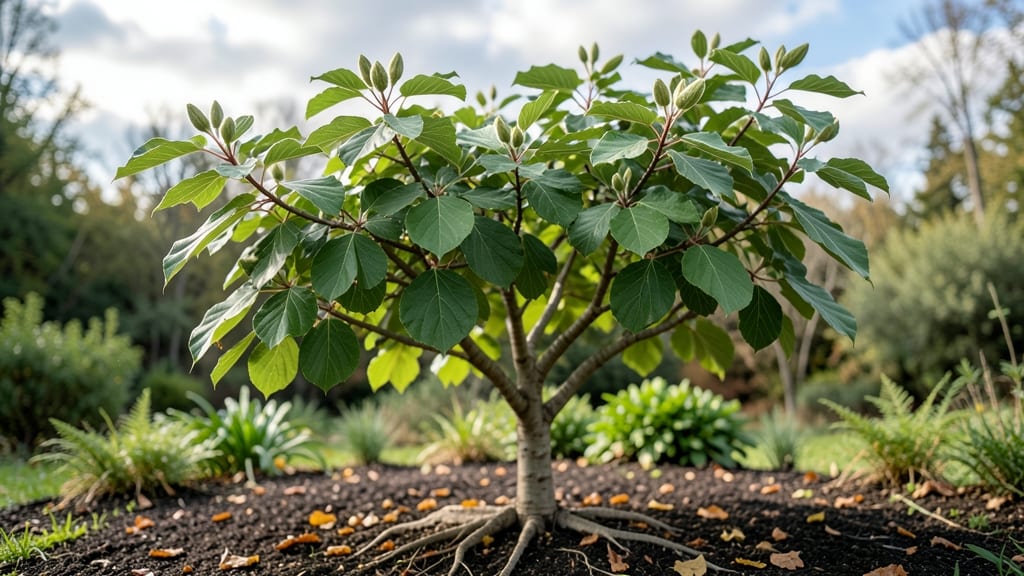
Your dogwood tree without flowers isn’t blooming because it’s either too young, overpruned, or stressed by poor care. 🌳 I’ve nursed back three dogwoods from flowerless to showstopping—here’s the science-backed approach that works, even for stubborn trees.
First, check the basics: mature trees (10+ years) need full sun and well-draining soil. If it’s younger, give it patience—first blooms often take 3-5 years. Overpruning or shade from nearby trees can also kill flower buds before they open.
Prune correctly in late winter (before buds swell) to remove dead wood and shape the tree. A balanced fertilizer in early spring gives it the energy to produce blooms, and mulching keeps roots cool and hydrated.
Most dogwoods bloom on last year’s growth, so avoid heavy pruning after mid-summer. With the right care, you’ll see those iconic pink or white flowers back in 2-3 seasons—and they’ll be more abundant than ever.
Root Causes Behind Missing Blooms
If your dogwood tree is sporting lush green leaves but stubbornly refuses to flower, don’t panic—there’s usually a logical explanation behind the lack of blossoms. Dogwood trees (Cornus florida) are finicky about their conditions, and several factors can disrupt their natural flowering cycle.
Below, we break down the most common culprits, backed by science, so you can diagnose the issue and take action.
Dogwood trees are sun-worshippers—they thrive in full sun to partial shade (6+ hours of direct sunlight daily). When deprived of adequate light, they prioritize leaf growth over flowering as a survival mechanism.
- Why it happens: Insufficient sunlight reduces photosynthesis, limiting the tree’s energy reserves. Without stored energy, the tree can’t produce the metabolic resources needed for flower buds to develop.
- Actionable fix:
- 🔍 Assess your tree’s location: If it’s in deep shade (e.g., under tall evergreens or dense buildings), consider thinning nearby foliage or transplanting the tree to a sunnier spot.
- 🌞 Gradual sun exposure: If your dogwood is currently in heavy shade, move it slowly to avoid sunburn. Start with morning sun and transition to afternoon light over weeks.
Dogwoods are temperature-sensitive, and both late frosts and heatwaves can sabotage their blooms. These trees require a chill period (40–50°F for 400–1,000 hours) to trigger flowering, followed by a warm spring to kickstart bud development.
- Why it happens:
- Late frosts: If buds form early (e.g., in mild winters) but are hit by a hard freeze (below 28°F), they’ll blacken and drop off.
- Insufficient chill hours: In warmer climates (Zones 7–9), dogwoods may not get enough cold exposure, delaying or preventing flowering.
- Heat stress: Prolonged temperatures above 90°F can sterilize pollen, reducing fruit and flower production.
- Actionable fix:
- 🌡️ Protect from late frosts: Use frost cloth or a sprinkler system to raise bud temperatures slightly during vulnerable periods (late winter/early spring).
- 🌳 Choose the right variety: For warmer climates, opt for heat-tolerant cultivars like ‘Cherokee Brave’ or ‘Rubra,’ which handle stress better.
- ❄️ Mulch properly: Apply 3–4 inches of mulch around the base to regulate soil temperature and protect roots from extreme cold.
Dogwoods are sensitive to moisture extremes—too little or too much water (especially on foliage) can disrupt flowering. These trees prefer consistent, even moisture but hate soggy roots or fungal diseases that stem from poor watering practices.
- Why it happens:
- Drought stress: Inconsistent watering causes waterlogged roots or root desiccation, both of which reduce nutrient uptake needed for flower bud formation.
- Overhead watering: Wet leaves encourage powdery mildew or anthracnose, fungal diseases that defoliate the tree, leaving it too weak to flower.
- Competition for water: Shallow roots or nearby thirsty plants (e.g., grasses) can starve your dogwood of hydration.
- Actionable fix:
- 💦 Deep, infrequent watering: Water 1–2 inches per week (more in extreme heat), directing the hose at the base (not the leaves) to prevent fungal spread.
- 🌱 Improve soil drainage: Amend clay-heavy soil with compost or sand to prevent root rot. Elevate the tree slightly with a mound of soil if drainage is poor.
- 🍄 Fungicide treatment: If you spot black spots on leaves or white powdery residue, apply a copper-based fungicide in early spring and fall.
Dogwoods are delicate bloomers—they set flower buds the previous summer on old wood. Aggressive pruning at the wrong time can remove next year’s blossoms entirely.
- Why it happens:
- Pruning after flowering: Cutting back in late spring or summer removes the current year’s flower buds, which form on last year’s growth.
- Over-pruning: Removing more than 25% of the canopy in one session stresses the tree, diverting energy to recovery instead of blooms.
- Wrong cuts: Topping (cutting back to a stub) or heading back (pruning into old wood) can stunt flowering.
- Actionable fix:
- ⏰ Prune at the right time: Do light pruning in late winter or early spring (before buds swell) to remove dead/diseased branches. Avoid heavy pruning until after flowering.
- 🌿 Shape with precision: Use clean, sharp pruners to make angled cuts just above a bud that faces outward. Never cut into old wood.
- 🌳 Thin selectively: Remove only dead, crossing, or rubbing branches—never more than 1/3 of the canopy at once.
Dogwoods are light feeders but need a balanced diet to produce flowers. Poor soil quality, compacted roots, or over-fertilization can all derail blooming.
- Why it happens:
- Nitrogen overload: Too much fast-release nitrogen (e.g., from synthetic fertilizers) promotes leafy growth at the expense of flowers.
- Phosphorus/potassium deficit: These nutrients are critical for bud formation. Low levels (common in sandy or acidic soils) starve the tree of flowering energy.
Revitalize Your Dogwood’s Blooms
If your dogwood tree is skipping its floral show, don’t panic—there’s almost always a fix! The key is identifying the root cause (or causes) and taking targeted action.
Below, we’ve mapped out practical solutions for the most common reasons behind a dogwood tree without flowers, along with prevention tips to keep future blooms vibrant.
Fix: Dogwoods bloom on old wood, meaning last year’s growth sets the stage for this year’s flowers. If you prune too late in the season (after blooming) or cut back too aggressively, you risk removing next year’s flower buds.
How to Correct It: 🔥 Time Your Prune Right – Prune right after flowering (late spring) to avoid cutting off new buds. Never prune in fall or winter. 👨🍳 Use the Right Technique – Remove only dead, diseased, or crossing branches. Avoid "thinning out" too much—dogwoods prefer a natural, rounded shape. 🥘 Lighten Up – If you’ve overpruned in the past, don’t stress—new growth will return. Just avoid heavy cuts moving forward.
Prevention Tip: ✨ Mark the Blooming Season – Dogwoods bloom in early spring (March–April). Set a reminder to prune immediately after flowers fade.
Fix: Dogwoods thrive in partial shade (4–6 hours of sun). Too much direct sun, especially in hot climates, can stress the tree and reduce flowering.
How to Correct It: 🌡️ Adjust Light Exposure – If your tree is in full sun, provide afternoon shade with a nearby tree, lattice, or shade cloth. 💧 Deep Water Regularly – Dogwoods need consistent moisture, especially in heat. Water deeply 1–2 times per week (more in extreme heat). 🎯 Mulch Like a Pro – Apply 2–3 inches of mulch around the base (but not touching the trunk) to retain moisture and regulate soil temperature.
Prevention Tip: 💡 Choose the Right Location – Before planting, test sunlight exposure. If your yard is full sun, opt for a morning-sun, afternoon-shade spot.
Fix: Dogwoods prefer well-draining, acidic soil (pH 5.0–6.5). Compacted, alkaline, or nutrient-poor soil can stunt growth and reduce blooms.
How to Correct It: 📊 Test Your Soil – Use a DIY soil test kit (available at garden centers) or send a sample to a local extension office. 🥗 Amend the Soil –
- For clay/compacted soil: Mix in compost or peat moss to improve drainage.
- For alkaline soil: Add sulfur or pine needles to lower pH.
🍎 Fertilize Smartly – Use a balanced, slow-release fertilizer (10-10-10) in early spring. Avoid high-nitrogen fertilizers—they promote leafy growth over flowers.
Prevention Tip: 🔥 Feed in Stages – Apply half the fertilizer in early spring, then top-dress with compost in fall for long-term health.
Fix: Common pests like borers, scale insects, or fungal diseases (e.g., powdery mildew, anthracnose) can weaken a dogwood, reducing its energy for blooms.
How to Correct It: 🔪 Inspect for Pests – Look for:
- Holes in bark (borers)
- Sticky residue (aphids/scale)
- Black spots on leaves (fungus)
💪 Treat Infestations –
- Pests: Spray with neem oil or insecticidal soap (follow label instructions).
- Fungus: Apply copper fungicide or baking soda spray (1 tsp baking soda + 1 quart water + a drop of soap).
🌿 Remove Damaged Parts – Prune away dead or heavily infected branches and sterilize tools with rubbing alcohol.
Prevention Tip: 🌡️ Improve Airflow – Thin out dense foliage to reduce humidity (which fuels fungus).
Fix: Dogwoods are semi-hardy—they can suffer from freeze damage, late frosts, or sudden temperature swings, which may delay or prevent blooming.
How to Correct It: ⏰ Protect in Late Winter – If a hard freeze is forecasted, wrap the tree in burlap or use a tree blanket (remove in spring). 🌡️ Monitor Soil Temperature – Dogwoods bloom when daytime temps consistently stay above 50°F (10°C). If late frosts hit, cover blooms with frost cloth at night. 💧 Hydrate Before Winter – Water deeply in late fall to help roots withstand cold.
Prevention Tip: 🎯 Plant in a Sheltered Spot – Avoid windy or exposed areas where cold snaps hit hardest.
Even if the issue isn’t severe, a little extra care can encourage better blooming next year.
Quick Revitalization Steps:
- Thin out dense branches to improve airflow and light penetration.
- Avoid heavy pruning—dogwoods respond best to light, strategic cuts.
- Mulch annually to protect roots and retain moisture.
- Watch for signs of stress (yellowing leaves, wilting) and adjust care accordingly.
Final Thought: Most dogwoods are resilient—with the right adjustments, they’ll bounce back and put on a stunning spring show. Start with one or two fixes based on your tree’s needs, and monitor progress over the next growing season. 🌸
Frequently asked questions about dogwood trees without flowers
How old does a dogwood tree need to be before it flowers?
Most dogwood trees take 3-5 years to produce their first flowers after planting. Young trees focus energy on root and leaf growth first. If your tree is older than 10 years and still not flowering, check sunlight, soil quality, or pruning habits instead.
Can I prune my dogwood tree in summer without killing next year's flowers?
Never prune after mid-summer—dogwoods set flower buds on last year's growth. Limit summer pruning to removing only dead or diseased branches. Save major shaping for late winter/early spring (just after blooms fade).
Why does my dogwood have leaves but no flowers?
Common causes include too much shade (needs 6+ hours of sun), over-fertilizing with nitrogen (promotes leaves over blooms), or poor soil drainage. Test your soil pH (ideal: 5.0-6.5) and adjust sunlight exposure first.
Will moving my dogwood tree to a sunnier spot help it flower?
Yes! Dogwoods thrive in partial shade but need morning sun for best blooms. Gradually move it to a sunnier location over 2-3 weeks to avoid sunburn. Avoid full afternoon sun in hot climates—it can stress the tree.
How do I know if my dogwood's lack of flowers is permanent?
It's rarely permanent! Even severely neglected trees can recover with proper care. Focus on soil health, correct pruning, and consistent watering. Most dogwoods rebound within 2-3 seasons when given the right conditions.