
Flowers
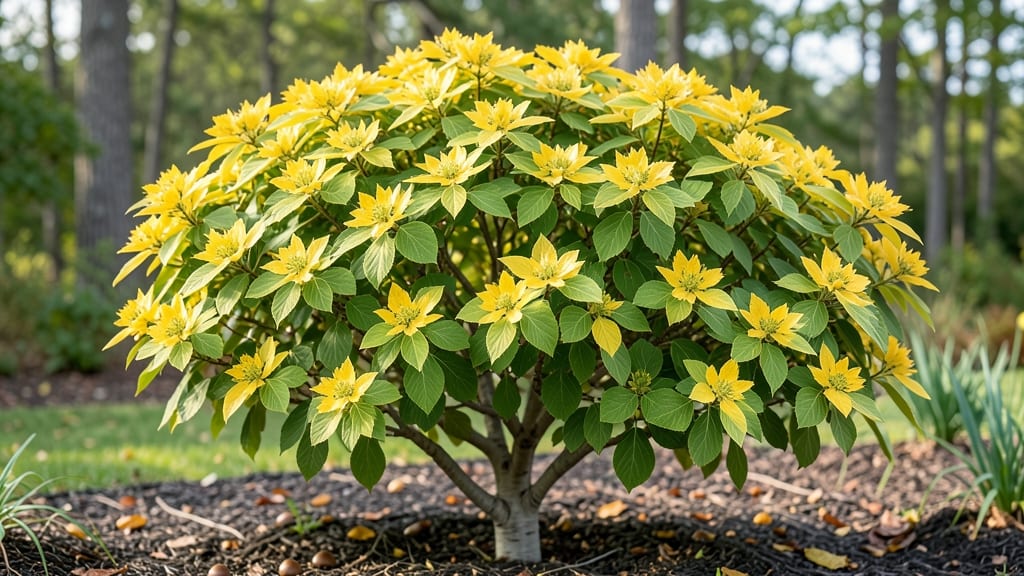
Growing dogwood trees with vibrant yellow flowers starts with the right location and patience—these showstoppers need 6-8 hours of sunlight daily to produce their brightest blooms. 🌞 I learned the hard way that partial shade keeps them alive but dulls their golden hues.
The key is matching their needs to your yard’s sun patterns, whether you’re planting a Cornus florida ‘Golden Age’ or the hardier Cornus kousa ‘Golden Sunshine’.
Once planted, dogwoods thrive in well-draining soil with a touch of organic matter—think mulch, not manure. Water deeply once a week (unless it rains) during their first year to establish strong roots. After that, they’re surprisingly drought-tolerant, but consistent moisture keeps those yellow flowers popping in spring.
Prune right after blooming to shape the tree and remove dead branches, but never cut back old wood—those flower buds form on last year’s growth.
By summer, your dogwood will be the star of the garden, its glossy leaves framing clusters of golden-yellow blooms that last for weeks. The best part? These trees attract pollinators and add year-round interest with their peeling bark in winter.
With the right care, you’ll have a tree that’s as reliable as it is beautiful—no high-maintenance fuss, just stunning results.
For those in hotter climates, choose the heat-tolerant Cornus kousa varieties—they handle summer heat better than their southern cousins. And if pests like borers or powdery mildew appear, act fast with neem oil or proper spacing to keep air circulating.
Your yellow-flowering dogwood will reward you with decades of effortless elegance.
Behind The Yellowing Blooms
If your dogwood tree’s flowers are turning yellow before their time, it’s often a sign that something’s off—but don’t panic! Understanding the root causes can help you diagnose the issue and take action.
Below, we break down the most common reasons why dogwood blooms lose their vibrant color and turn yellow, along with the science behind each scenario.
Dogwood trees thrive in moderate climates, and extreme heat—especially combined with drought—can stress the plant, causing premature yellowing of flowers. When temperatures rise above 85°F (29°C) for prolonged periods, the tree’s metabolic processes slow down, leading to nutrient deficiencies and chlorophyll breakdown in the petals.
🔬 Why it happens: Heat stress disrupts the tree’s ability to absorb and transport water and nutrients, particularly magnesium and potassium, which are critical for flower health. Without these, petals lose their pigment and turn yellow.
💡 What you can do:
- 💦 Water deeply in the early morning or late evening to reduce evaporation and keep roots cool.
- 🌳 Provide afternoon shade with a temporary shade cloth (30-50% coverage) during heatwaves.
- 🌱 Mulch generously (2-4 inches of organic mulch) to insulate roots and retain moisture.
- 🌿 Avoid high-nitrogen fertilizers in summer, as they promote leafy growth over flowers.
Dogwood trees are sensitive to moisture imbalances. Yellowing flowers can signal overwatering (leading to root rot and nutrient starvation) or underwatering (causing dehydration and stress). Both scenarios prevent the tree from maintaining healthy blooms.
🔬 Why it happens:
- Underwatering: When the tree doesn’t get enough water, its vascular system struggles to deliver essential nutrients to the flowers. Petals may yellow as a survival mechanism to conserve energy.
- Overwatering: Soggy soil cuts off oxygen to roots, preventing nutrient uptake. Fungal infections (like Phytophthora) can also develop, further weakening the tree.
💡 What you can do:
- 🌧️ Check soil moisture weekly—stick your finger 2 inches into the soil. Water when it’s dry but not bone-dry.
- 🚰 Improve drainage by amending clay soil with compost or planting in a raised bed if necessary.
- 🌿 Water at the base (not overhead) to prevent fungal growth on flowers and leaves.
- ⏳ Avoid a schedule—water based on weather, not a fixed day.
Yellowing dogwood flowers can be a symptom of fungal diseases like anthracnose or powdery mildew, which thrive in humid, poorly ventilated conditions. These pathogens attack the tree’s tissues, disrupting nutrient flow and causing discoloration.
🔬 Why it happens:
- Anthracnose (Apiognomonia veneta) causes dark, sunken spots on leaves and stems, leading to premature leaf and flower drop. Yellowing is often a secondary symptom as the tree weakens.
- Powdery mildew coats leaves and flowers with a white, powdery substance, blocking sunlight and causing yellowing.
💡 What you can do:
- 🍄 Prune infected branches immediately (sterilize tools with rubbing alcohol) and dispose of them in the trash, not the compost.
- 🌧️ Improve air circulation by thinning dense foliage or spacing trees farther apart.
- 🛡️ Apply fungicide (copper-based or neem oil) at the first sign of infection, especially after rain.
- 🌱 Plant resistant varieties like Cornus florida ‘Rubra’ if fungal diseases are recurrent in your area.
Dogwood trees require a balanced diet of nutrients to produce vibrant flowers. Yellowing blooms often indicate a deficiency in magnesium, potassium, or iron, which are vital for pigment and energy production.
📊 Common deficiencies and symptoms:
Nutrient
Deficiency Signs
Cause
Magnesium
Yellowing between leaf veins (interveinal chlorosis), especially on older leaves.
Poor soil quality, overwatering, or acidic soil (pH < 5.0).
Potassium
Yellowing at leaf edges (marginal scorching) and weak stems.
Overuse of nitrogen fertilizers, drought stress, or leaching in sandy soils.
Iron
Yellowing on new leaves (young leaf chlorosis) in alkaline soils (pH > 7.0).
High soil pH or waterlogged conditions.
💡 What you can do:
- 🌿 Test your soil (use a home kit or send a sample to a local extension office). Dogwoods prefer slightly acidic soil (pH 5.5-6.5).
- 🍃 Apply Epsom salt (for magnesium) by dissolving 1 tablespoon in a gallon of water and spraying leaves monthly.
- 🥔 Use a balanced fertilizer (10-10-10 or 5-10-10) in early spring, avoiding high-nitrogen blends.
- 💧 Use chelated iron if chlorosis persists, especially in alkaline soils.
While less common, pests like dogwood borers or scale insects can weaken the tree, leading to yellowing flowers. These pests disrupt the tree’s vascular system, preventing nutrients and water from reaching the blooms.
🔬 Why it happens:
- Dogwood borers lay eggs in bark crevices; larvae tunnel into the tree, blocking nutrient transport.
- Scale insects suck sap from leaves and stems, causing stunted growth and yellowing.
💡 What you can do:
- 🔍 Inspect the tree for sawdust-like frass (borer sign), sticky honeydew (scale), or visible insects.
- 🛡️ Apply horticultural oil or insecticidal soap in early spring to smother eggs and young larvae.
- 🪓 Prune inf
Reviving your dogwood’s golden glow
If your dogwood tree’s vibrant yellow flowers seem dull, sparse, or downright absent, don’t fret—most issues have simple fixes! Below, we’ve mapped common causes to actionable solutions, plus prevention tips to keep your tree blooming beautifully for years.
Think of this as your dogwood’s bloom revival kit—practical, step-by-step, and tailored to real gardeners.
Cause: Poor soil nutrition (especially nitrogen, phosphorus, or potassium deficiencies) stunts flower production and weakens vibrancy.
How to Fix It:
🔥 Test Your Soil – Grab a soil test kit (or send a sample to your local extension office) to check pH and nutrient levels. Dogwoods thrive in acidic soil (pH 5.0–6.5). If levels are off, amend with:
- Sulfur or peat moss to lower pH (if soil is alkaline).
- Compost or well-rotted manure to enrich organic matter.
- A balanced fertilizer (10-10-10) in early spring, followed by a phosphorus-heavy formula (5-10-5) when buds form.
💡 Pro Tip: Avoid over-fertilizing—too much nitrogen = leafy growth, fewer flowers. Stick to the recommended doses!
Cause: Yellowing or sparse blooms often signal stress from improper light or poor circulation. Dogwoods need partial shade (morning sun, afternoon shade) but can suffer in deep shade or scorching heat.
How to Fix It:
🍳 Adjust Placement – If your tree is in a shady spot, consider transplanting it to a location with dappled sunlight (4–6 hours/day). For too-hot spots, add a light shade cloth (30–50%) during peak summer.
👨🍳 Prune for Airflow – Remove dead, crossing, or overcrowded branches to improve circulation. Use sterilized pruners and cut just outside the branch collar (the swollen area where the branch meets the trunk).
🌡️ Prevention: Mulch with 3–4 inches of organic mulch (wood chips or pine straw) to regulate soil temperature and retain moisture.
Cause: Yellowing leaves or weak blooms can stem from underwatering (drought stress) or overwatering (root rot). Dogwoods dislike soggy roots but also wilt in dry spells.
How to Fix It:
🥘 Water Deeply, Not Frequently – Aim for 1–1.5 inches of water per week (including rain). Use a soaker hose or drip irrigation to water at the base of the tree, avoiding wetting the foliage (to prevent fungal issues).
⏰ Check Soil Moisture – Stick your finger 2–3 inches into the soil. If it’s dry, water thoroughly. If it’s muddy, hold off until the top layer dries slightly.
🎯 Prevention: Install a tree ring or moisture sensor to monitor water needs year-round.
Cause: Fungal infections (like powdery mildew or anthracnose) or pests (such as scale insects or borers) can cause yellowing leaves and poor blooms.
How to Fix It:
🔪 Identify the Problem First – Check for:
- Powdery mildew: White, powdery patches on leaves.
- Anthracnose: Dark, sunken spots with yellow halos.
- Scale insects: Sticky residue (honeydew) on leaves.
💡 Treatment Options:
| Issue | Solution |
|---|---|
| Fungal diseases | Spray with neem oil or copper fungicide in early spring and after rain. Remove and dispose of infected leaves. |
| Scale insects | Wipe off pests with a soapy water cloth or apply horticultural oil in dormant season. |
| Borers | Inject systemic insecticide (like imidacloprid) into the trunk or consult an arborist for severe infestations. |
✨ Prevention: Prune for airflow (as above) and clean up fallen leaves in autumn to reduce fungal spores.
Cause: Sudden yellowing or poor blooms can signal transplant shock, soil compaction, or chemical damage (e.g., from nearby herbicides or de-icing salt).
How to Fix It:
🌿 Assess the Surroundings – If your tree was recently planted, ensure the root ball wasn’t damaged and the hole was twice as wide as the root ball. Amend the backfill soil with compost.
🚫 Avoid Chemicals – Keep de-icing salt, herbicides, and pesticides away from the root zone. If salt damage is suspected, flush the soil with water and mulch heavily.
💡 Pro Tip: If your dogwood is near a concrete driveway or sidewalk, consider root barriers to prevent heat stress.
With these fixes, your dogwood should bounce back with bold, golden-yellow blooms in no time! Remember, consistency is key—monitor soil, water, and sunlight regularly, and your tree will reward you with years of stunning spring displays. 🌸
Frequently asked questions about yellow-flowering dogwood trees
What’s the best dogwood variety for bright yellow flowers?
For the most vibrant yellow blooms, choose Cornus florida ‘Golden Age’ or Cornus kousa ‘Golden Sunshine’. These varieties produce golden-yellow flowers that stand out beautifully against their glossy green leaves. Cornus kousa varieties are also more heat-tolerant and disease-resistant.
How do I encourage more yellow flowers on my dogwood?
Focus on pruning after blooming (never in late winter) to avoid cutting off next year’s flower buds. Use phosphorus-rich fertilizer (5-10-5) in early spring when buds form, and ensure your tree gets morning sun with afternoon shade.
Why are my dogwood flowers turning brown instead of staying yellow?
Brown flowers usually indicate drought stress or excessive heat. Water deeply 1-2 times per week during dry spells, and provide afternoon shade in summer. Mulch with 2-3 inches of organic material to help retain moisture and regulate soil temperature.
Can I grow a yellow-flowering dogwood in a small garden?
Yes! Dwarf varieties like Cornus florida ‘Cherokee Brave’ (yellow flowers) stay under 10 feet tall and work well in small spaces. Just ensure it gets 4-6 hours of sunlight daily and has room for its mature spread.
When is the best time to plant a dogwood for yellow blooms?
Plant in early spring or fall when temperatures are mild. This gives roots time to establish before summer heat or winter cold. Avoid planting in hot summer months—transplant shock is more likely when roots can’t recover quickly.