
Light Requirements
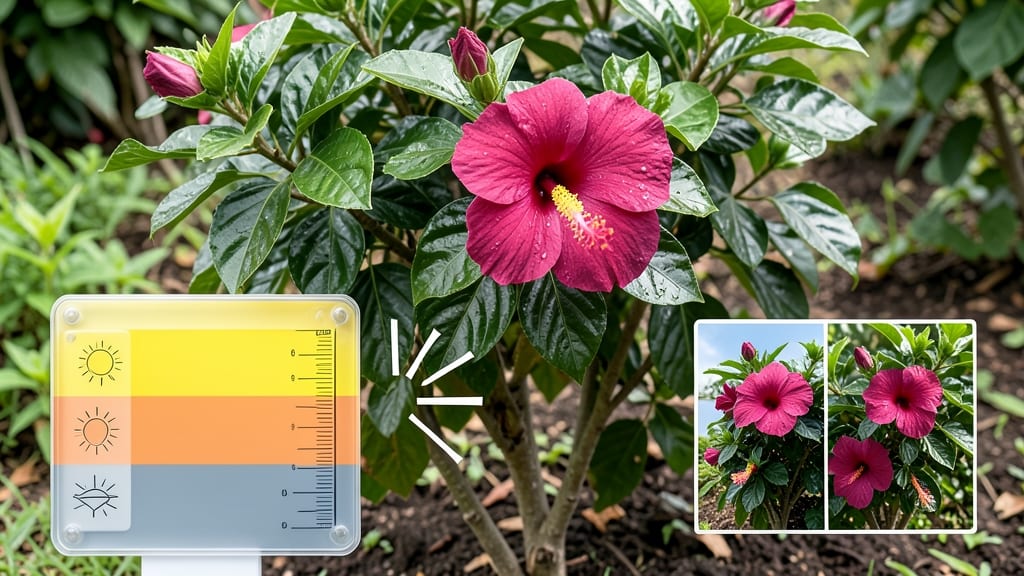
A hibiscus tree needs full sun 🌺 to thrive, but the right balance of light and shade can make all the difference in your garden.
Your hibiscus tree’s vibrant blooms might be struggling—could it be getting too much (or too little) sun? While hibiscus thrives in bright light, the truth about full sun requirements is more nuanced than you think.
Most gardeners assume 6+ hours of direct sunlight is non-negotiable, but in hot climates like USDA Zone 6a, afternoon shade can prevent leaf scorch while keeping those showy flowers coming.
Below, I’ll break down how to spot sunlight stress, adjust placement for your region, and even use shade cloth without sacrificing blooms—so you can keep your hibiscus happy year-round.

How much sun does a hibiscus tree really need?
If you’ve ever wondered whether your hibiscus tree needs full sun to thrive, you’re not alone.
While these stunning plants love bright light, the answer isn’t as black-and-white as you might think. Hibiscus trees actually tolerate a range of light conditions, but their blooming and overall health depend heavily on getting the right balance.
Too little sun, and you’ll see sparse flowers; too much, and you risk leaf scorch or heat stress. Let’s break down the science behind their sunlight needs and how to find the sweet spot for your climate.
The ideal sunlight exposure for a hibiscus tree is 6 to 8 hours of direct sunlight per day. This is the golden standard for encouraging vibrant blooms and lush foliage. However, hibiscus trees are surprisingly adaptable.
In hotter climates, like USDA Zones 9-11, they can handle morning sun and afternoon shade to prevent overheating. Meanwhile, in cooler regions like Zones 7-8, they may need more direct sunlight to compensate for shorter daylight hours.
The key is understanding how your local climate affects sunlight intensity and duration.
Here’s the hard data: Studies show that hibiscus trees exposed to less than 4 hours of sunlight daily will produce fewer than 20% of their potential blooms. On the flip side, plants receiving 10+ hours of direct sun in extreme heat may experience leaf burn or stunted growth.
The sweet spot—6 to 8 hours—maximizes blooming while minimizing stress. This range ensures your hibiscus gets enough energy for photosynthesis without overheating, especially in peak summer months.
| Sunlight Requirement | Ideal Duration | Climate Adaptation | Bloom Impact |
|---|---|---|---|
| Full Sun | 6-8 hours/day | Best for Zones 7-8 | Maximizes vibrant blooms |
| Partial Sun | 4-6 hours/day | Ideal for Zones 9-11 | Moderate blooms, healthier leaves |
| Morning Sun + Afternoon Shade | 4-5 hours direct sun | Critical for desert climates | Prevents leaf scorch, maintains growth |
| Less Than 4 Hours | Indoor or shaded outdoor | Not recommended long-term | Sparse blooms, leggy growth |
Regional variations play a huge role in how much sun your hibiscus tree needs. For example, in Florida or California, where temperatures often exceed 90°F, hibiscus trees benefit from dappled shade during the afternoon to avoid heat stress.
In contrast, northern states like Oregon or Washington may require hibiscus trees to be planted in south-facing locations to maximize sunlight exposure, especially during shorter winter days. Even within the same region, microclimates—like a sunny patio versus a shaded courtyard—can drastically alter your hibiscus’s light exposure.
Balancing sun and shade isn’t just about hours—it’s also about timing. Morning sunlight is generally gentler and provides the energy hibiscus trees need to start their day. Afternoon sun, especially in the late afternoon, can be more intense and may lead to leaf burn if your tree isn’t acclimated.
If you notice yellowing leaves or crispy edges, it’s a sign your hibiscus is getting too much direct sun, particularly in the hottest part of the day. Gradually introducing shade cloth or moving your tree to a slightly shadier spot can help mitigate these issues.
One common misconception is that hibiscus trees must have full sun to bloom. While they do need plenty of light, partial shade solutions can work beautifully in the right conditions. For instance, if your hibiscus is planted near a west-facing wall, it might receive too much afternoon sun.
In this case, pruning nearby branches or installing a 30-50% shade cloth can create the perfect balance. The goal is to ensure your hibiscus gets enough light for photosynthesis while protecting it from the harshest elements of direct sunlight.
Let’s talk about what happens when you get the balance wrong. If your hibiscus isn’t getting enough sun, you’ll likely see long, leggy stems with few blooms. This is your tree’s way of stretching toward the light.
On the other hand, too much sun can cause leaves to curl or turn brown, a clear sign of heat stress. Both scenarios can weaken your hibiscus over time, making it more susceptible to pests and diseases.
By monitoring your tree’s response to sunlight and adjusting its placement as needed, you can keep it thriving year-round.
Pro tip: Pay attention to your hibiscus’s growth patterns and flowering habits throughout the year. In spring and summer, when days are longer, your hibiscus may need more light. In fall and winter, when sunlight is less intense, it might tolerate slightly shadier conditions.
This flexibility is one of the reasons hibiscus trees are so popular—they can adapt to a variety of growing conditions with the right care. Start by giving your hibiscus 6 hours of morning sun, then observe how it responds before making further adjustments.
Remember, every hibiscus tree is unique, just like every garden. What works perfectly for one may not suit another, so don’t be afraid to experiment with placement and shading.
With a little trial and error, you’ll find the ideal sunlight balance that keeps your hibiscus blooming beautifully season after season. Happy gardening! 🌺☀️
Signs your hibiscus tree isn’t getting the right sunlight
If your hibiscus tree looks less vibrant than usual, sunlight might be the culprit. These tropical beauties love light but can suffer when exposed to too much or too little.
Watch for these visual clues that reveal their sun struggles. The key is finding that sweet spot where your hibiscus thrives without stress.
When sunlight is lacking, hibiscus trees often develop long, leggy stems as they stretch toward any available light source. This etiolation (a fancy term for overstretched growth) means your plant isn’t getting enough energy from sunlight to grow properly.
You’ll also notice small, sparse leaves clustered at the tips of branches, while the rest of the plant remains bare.
⚠️ callout warning ⚠️
Too Little Sun: Pale yellow leaves, leggy growth, fewer blooms, and weak stems that flop over. Your hibiscus may also drop buds before they open.
Too Much Sun: Brown crispy edges on leaves (leaf scorch), yellowing between veins, and wilting even with adequate water. Flowers may burn in intense afternoon sun.
Quick Fix: Move potted hibiscus to a morning sun spot or filter afternoon light with sheer curtains. For in-ground plants, use 50% shade cloth during peak hours (11 AM–3 PM).
On the flip side, over-exposure to harsh sunlight causes leaf scorch, where edges turn brown and crispy. This often starts on older leaves first, as they’ve absorbed the most sun damage.
You might also spot yellowing between leaf veins, a classic sign of too much direct sun. In extreme cases, leaves may curl or drop entirely, especially during heatwaves.
Another red flag? Your hibiscus stops flowering or produces only a few buds that never open. Hibiscus need plenty of light to trigger blooming, but intense afternoon sun can stress the plant so much that it conserves energy instead.
If you’re seeing bare branches with no flowers, it’s time to adjust their sunlight exposure.
Don’t overlook the soil and roots either. Hibiscus in incorrect sunlight often develop shallow root systems because they’re not photosynthesizing efficiently. Gently tug on the soil around the base—if roots come out easily, your plant isn’t anchoring properly due to poor light conditions.
Combine this with yellowing leaves, and you’ve got a clear case of sunlight stress.
Start troubleshooting by observing your hibiscus’s daily sun patterns. If it’s in a south-facing spot, it’s likely getting too much midday sun. Try moving it to a west-facing location for filtered afternoon light or add a light shade cloth.
For potted hibiscus, rotate them weekly so all sides get even light exposure—uneven growth is a dead giveaway for inconsistent sunlight.