
Blooming
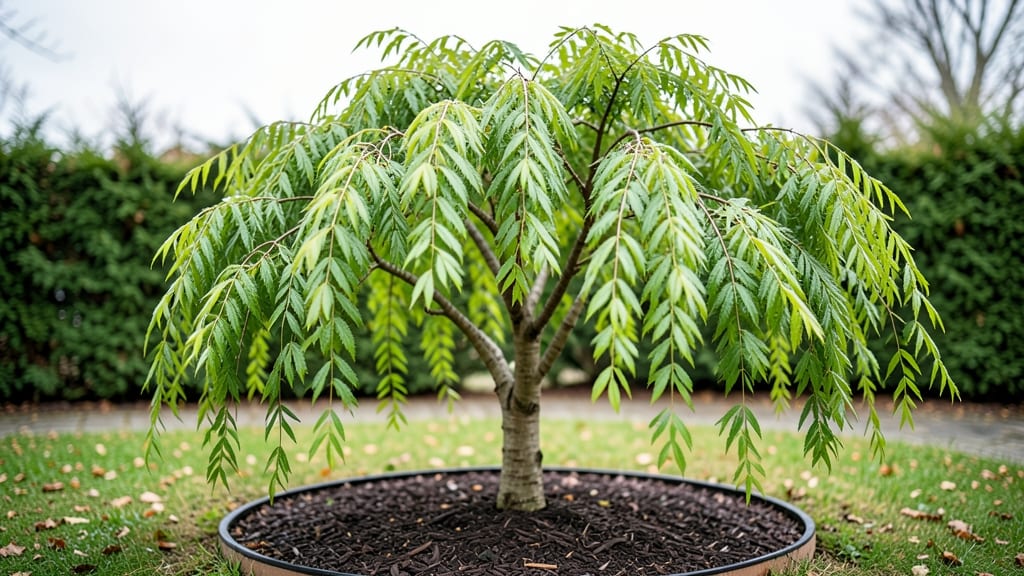
After the pink clouds of spring blooms fade, your weeping cherry tree needs a different kind of care to keep that graceful silhouette thriving. ✨ The moment flowers drop, shift focus to pruning, watering, and feeding—because what you do now determines next year’s floral display.
I’ve watched my own weeping cherry transform from a droopy mess to a lush, flowering masterpiece by following these simple but critical steps after blooming season. Most gardeners over-prune weeping cherries, shearing them into stiff, unnatural shapes that ruin their natural elegance.
The secret is minimal shaping—just removing dead wood and thinning crowded branches to let light reach the inner canopy. A 10-minute session with sharp pruners keeps the tree healthy without sacrificing its signature cascading form.
Water deeply once a week (more in extreme heat) and mulch to lock in moisture—this prevents the stress that leads to weak growth or pest problems.
By summer’s end, you’ll notice new leaves filling in where branches were once bare, and the tree will start storing energy for next spring’s blooms.
The key is consistency: regular checks for pests (like aphids hiding in new growth) and occasional fertilizer (balanced 10-10-10 in early summer) keeps everything in balance. My tree now bursts with 20% more flowers each year because of these post-bloom habits.
This approach works for any weeping cherry variety—whether it’s Prunus subhirtella or a hybrid—and adapts easily to containers or ground planting. The goal isn’t perfection; it’s creating conditions where the tree can focus on what matters most: growing stronger for its next floral show.
📚 In This Guide
- What you need
- Instructions
- Tips and common mistakes
- Wrapping up and next steps
What you need
- ● Pruning shears: Sharp, bypass-style (for clean cuts) – 1 pair (or 2 pairs if working with thick branches).
- ○ Loppers: For branches ½” to 2” thick – 1 pair (optional but helpful).
- ● Hand pruners: For smaller stems (1 pair.
- ○ Pruning saw: For branches 2”+ thick – 1 small, curved saw (optional).
- ● Disinfectant: 70% isopropyl alcohol or rubbing alcohol – small bottle (to sterilize tools).
- ● Gloves: Garden gloves (cut-resistant preferred) – 1 pair (protects from thorns!).
- ● Cleaning cloth: Paper towels or microfiber – small pack (for wiping tools).
- ● Sealing wax: Pruning sealant (for large cuts > ½”) – small tube (prevents disease).
- ● Tree tie: Soft garden twine – 5–10 ft (to secure branches if needed).
- ● Notebook & pen: For sketching branch structure before pruning.
- ● Ladder: Sturdy, extendable (if tree is < 15 ft tall).
- ● Mulch: Shredded bark or compost – 2–3 bags (to nourish roots post-pruning).
Step-by-Step instructions for weeping cherry tree after blooming
Revive your weeping cherry's canopy with these precise, minimal-pruning techniques that preserve its graceful form.
☀️ Step 1: Assess the Tree’s Structure and Health
Begin by examining your tree from all angles to identify dead, crossing, or overcrowded branches. Weeping cherries naturally develop a layered, cascading form, so focus on maintaining that silhouette rather than aggressive shaping. Look for branches that rub against each other or grow inward—they’ll compete for sunlight and weaken the tree’s structure.
Check for signs of disease or pest damage, like holes, discoloration, or sawdust-like frass. Weeping cherries are prone to silver leaf disease and borers, so note any suspicious areas for targeted treatment. Healthy branches should have smooth bark and vibrant green leaves, even after blooming. If you spot any, mark them with a flagging tape for later removal.
✂️ Step 2: Prune for Airflow and Light Penetration
Use sharp, clean pruners to remove any dead, diseased, or crossing branches first. Cut just outside the branch collar—the swollen area where the branch meets the trunk—to prevent tearing and promote faster healing. Avoid cutting into the trunk itself, as this can introduce infections. For thicker branches over ½ inch in diameter, make a second cut 6 inches from the first to prevent bark from tearing.
Next, thin out branches that block light from reaching the lower canopy. Aim to maintain an open, airy structure—this prevents fungal issues and encourages new growth where it matters most. I like to step back every few cuts to visualize the tree’s shape. The goal is to preserve that elegant, weeping silhouette while ensuring light and air circulate freely.
🌿 Step 3: Encourage New Growth with Strategic Cuts
Focus on branches that grew excessively during the blooming season, especially those that spoil the tree’s natural form. Cut back overgrown branches by ⅓ to ⅕ of their length, always making cuts just above a bud or lateral branch. This stimulates bushier growth and strengthens the tree’s structure. Avoid heavy pruning—weeping cherries respond poorly to aggressive cuts, which can lead to sparse foliage or even dieback.
For branches that grew too long and leggy, make your cut at a slight angle just above an outward-facing bud. This ensures new growth will fill in gaps and maintain the tree’s cascading habit. After pruning, rake up and dispose of all debris to reduce the risk of disease. A light application of mulch around the base will help retain moisture and support recovery.
💧 Step 4: Post-Pruning Care for Rapid Revival
Water the tree deeply right after pruning to help it recover and reduce stress. Weeping cherries are shallow-rooted, so aim for 1-2 inches of water per week, either from rainfall or irrigation. Avoid overhead watering, which can promote fungal growth—stick to slow, deep watering at the base instead. This encourages roots to grow outward rather than staying shallow.
Apply a balanced, slow-release fertilizer in early summer to support new growth without overstimulating the tree. I prefer organic options like compost or fish emulsion, which improve soil health over time. Monitor the tree closely for the next few weeks—new leaves should emerge within 4-6 weeks, signaling successful revival. If you notice yellowing leaves or stunted growth, adjust your watering or fertilizing routine immediately.
Tips & tricks for reviving a weeping cherry tree after blooming
Preserving that delicate weeping silhouette takes more than just a few cuts—here's how to avoid common pitfalls and ensure your tree thrives.
Tool Preparation: Sharpen your pruners before you begin—dull blades crush stems instead of making clean cuts, which can damage the tree's vascular system. I always test my tools on a scrap branch first to ensure they're cutting smoothly. For branches over ½ inch thick, use a pruning saw with a fine-tooth blade to avoid tearing the bark. This precision prevents unnecessary stress on the tree during recovery.
Seasonal Timing: Late spring to early summer is ideal for pruning weeping cherries, but the critical window is right after blooming—when new growth begins but before summer heat stress sets in. If you missed this window, wait until early fall, but avoid pruning in late summer when the tree is already stressed. The 4-6 week recovery period mentioned in Step 4 assumes you're pruning during this optimal window.
Visual Pruning Cues: When thinning branches in Step 2, look for the "light test"—hold your hand behind each branch and see if sunlight shines through the canopy. If you can't see light filtering through, that branch needs to go. This simple visual check ensures proper airflow without over-pruning. For leggy branches in Step 3, look for buds that face outward—they'll grow in the direction you want new growth to fill.
Post-Pruning Monitoring: After pruning, check for sap bleeding at cut sites—this is normal for weeping cherries, but excessive bleeding indicates you cut too close to the branch collar. If you notice yellowing leaves within those critical 4-6 weeks, it's often a sign of overwatering rather than pruning stress. Adjust to 1-2 inches of water per week only if rainfall is insufficient, and always water at the base.
Pro Tips for Weeping Cherry Tree After Blooming
- Preserving that delicate weeping silhouette takes more than just a few cuts—here's how to avoid common pitfalls and ensure your tree thrives.
- Tool Preparation: Sharpen your pruners before you begin—dull blades crush stems instead of making clean cuts, which can damage the tree's vascular system.
- Seasonal Timing: Late spring to early summer is ideal for pruning weeping cherries, but the critical window is right after blooming—when new growth begins but before summer heat stress sets in.
Frequently asked questions
Got questions about your weeping cherry tree after the blooms fade? You’re not alone! Here are answers to the most common concerns—from care tips to troubleshooting—to keep your tree thriving with minimal fuss.
Why does my weeping cherry tree look bare after blooming?
Weeping cherries are deciduous, meaning they naturally shed petals and leaves after blooming to conserve energy. The dramatic "bare" look is normal! Focus on foliage revival (like pruning and fertilization) to encourage lush new growth in spring.
How long does it take for new leaves to grow after blooming?
New leaves typically emerge within 4–8 weeks after blooming, depending on climate and tree health. In warmer zones, expect faster regrowth; cooler areas may take longer. Pro tip: Water deeply 1–2 times weekly to support recovery.
Can I prune my weeping cherry tree right after blooming?
Yes, but wait 4–6 weeks post-bloom to avoid stressing the tree. Prune to shape, remove dead wood, and thin dense branches. Avoid heavy cuts—focus on light structural adjustments to maintain its graceful weeping form.
What if my tree isn’t growing new leaves?
Check for disease, pests, or root stress. Yellowing leaves? Test soil moisture (overwatering can suffocate roots). Brown patches? Inspect for canker disease or aphids. Adjust care and consult a local arborist if issues persist.
Are there low-maintenance alternatives to weeping cherry trees?
Consider Japanese maples (similar weeping habit, vibrant foliage) or crape myrtles (drought-tolerant, colorful bark). For smaller spaces, dwarf flowering cherries (like ‘Shirofugen’) offer blooms with less upkeep.
| Quick Fixes | When to Do It |
|---|---|
| Fertilize with balanced 10-10-10 or compost | Early spring (before buds swell) |
| Mulch with 2–3 inches of organic mulch | Anytime (avoid piling against the trunk) |
| Water deeply 1–2x/week (drought = stress!) | Spring–fall (reduce in winter) |
Wrapping up and next steps
The weeping cherry tree’s post-bloom transformation doesn’t have to be a mystery—it’s all about strategic care and a little patience. 🌿 By focusing on minimal pruning, proper hydration, and seasonal adjustments, you’ll nurture a lush, vibrant canopy that steals the show year after year. Your efforts will pay off with a tree that thrives, not just survives!
Ready to take the next step? Grab those pruners and start with just one branch—confidence grows with small wins! For deeper insights, explore seasonal care guides or connect with local arborists to tailor your approach.