
Pruning
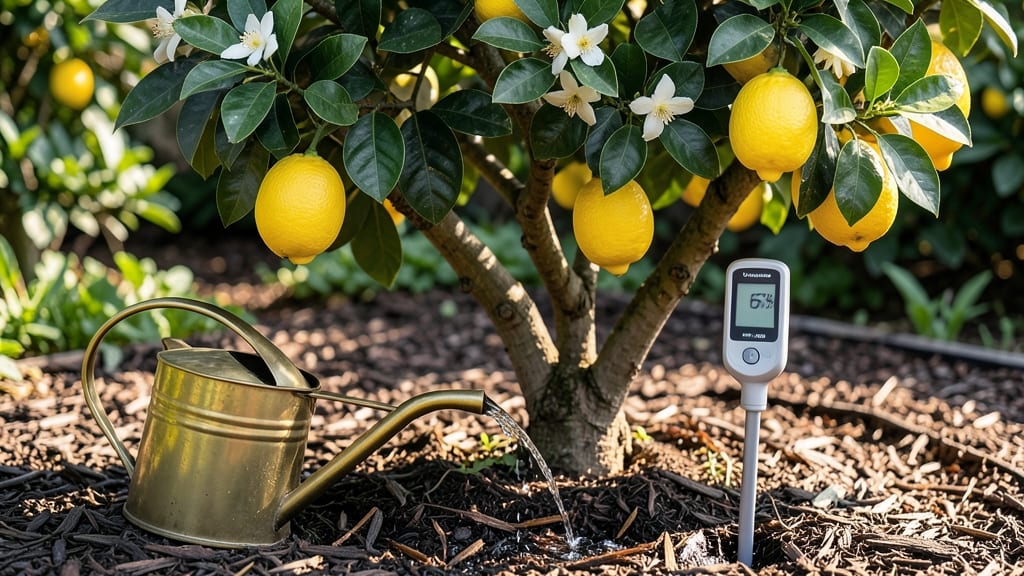
Mastering citrus tree irrigation is the key to turning your garden into a lush, fruit-bearing paradise—or risking a slow decline from overzealous watering. Most gardeners assume citrus trees thrive with constant moisture, but the reality is far more delicate.
A single week of overwatering can drown roots, trigger rot, and leave you with yellowing leaves and dropped fruit—all while you’re convinced you’re doing everything right.
Here’s the game-changer: a precision irrigation plan tailored to your soil type, climate, and whether your tree is potted or planted in the ground. We’ll break down deep-watering techniques, drip systems that save time and water, and the subtle signs of trouble before they become irreversible.
By the end, you’ll know exactly how often to water, how to spot early warnings, and why mulching might be the simplest upgrade you’ve overlooked.


Optimal citrus tree watering schedule by season and soil type
Citrus trees thrive on consistent moisture but despise soggy roots—especially in clay-heavy soils where water pools. I’ve seen root rot destroy otherwise healthy trees because of overzealous watering. The key? Adjusting your schedule based on soil type and climate zone ensures your tree stays hydrated without drowning.
For example, sandy soil drains water in hours, while clay soil holds moisture for days.
Your local climate also dictates frequency: arid zones like Arizona demand daily checks, while humid coastal areas (like Florida) may only need watering every 5–7 days. Even container-grown citrus dries out faster than in-ground trees. Let’s break down the science so you can water like a pro—no guesswork, just results.
Pro Tip: Always water at the base of the tree, not the leaves, to prevent fungal diseases like citrus scab. Use a moisture meter ($15 at garden centers) to check soil depth—citrus roots need 6 inches of moisture year-round, but never waterlogged.
In spring, your citrus tree is waking up from dormancy and needs gradual hydration. Start with shallow watering (top 3 inches) in March, then deepen to 6–12 inches by May.
This encourages roots to grow downward, not stay shallow. I’ve seen shallow-rooted citrus struggle in summer heat because they can’t access deep water.
Summer is the most critical season—especially in arid climates. If you’re in Zone 9–11, water early morning (6–9 AM) to reduce evaporation. For container citrus, check soil moisture daily; pots dry out in half the time of in-ground trees.
Pro tip: Place a water-filled tray under containers to mimic natural humidity.
Fall signals a shift: reduce frequency but keep soil moist. In clay soils, this means watering every 6–7 days instead of daily. Watch for leaf drop—a sign of stress.
If your tree’s leaves yellow and fall prematurely, you’re either overwatering or underwatering. Mulch with wood chips (2–3 inches) to retain moisture and regulate soil temperature.
Winter care depends on your USDA zone. In Zone 9–11, citrus trees are <
Signs of overwatering vs. underwatering in citrus trees
Citrus trees thrive on consistent moisture but wilt quickly when roots suffocate from excess water. The key to saving your tree lies in recognizing subtle clues—like yellowing leaves or mushy bark—before irreversible damage sets in.
I’ve seen firsthand how a single overwatered week can trigger root rot, turning a healthy lemon tree into a sad, drooping shadow.
Underwatering, on the other hand, causes crispy leaf edges and stunted growth, signaling your tree is begging for hydration. The challenge? Both conditions mimic each other at first glance.
That’s why I’ve created this side-by-side guide to help you spot the difference and act fast. Your citrus tree’s health—and your fruit harvest—depends on it.
Overwatering vs. Underwatering in Citrus Trees
Yellow or brown leaves
Dull green or crispy edges
Soggy, smells like rot
Dry, hard, or cracked
Moldy, peeling, or soft
Dry, flaking, or cracked
Stunted or wilting
Slow or no new leaves
Reduce watering, aerate soil
Water deeply, mulch
If your citrus leaves turn yellow with soft spots, your tree is drowning. Overwatered roots can’t breathe, leading to root rot—a silent killer. I’ve saved trees by adjusting drip irrigation depth and adding perlite to sandy soil.
For clay-heavy soil, consider raised beds to improve drainage. The goal? Let the top 2-3 inches of soil dry between waterings.
Underwatered trees, however, show crispy leaf edges and drooping branches by midday. Unlike overwatering, these signs appear quickly in hot weather. My trick? Stick your finger 2 inches into the soil.
If it’s bone-dry, it’s time to water. For potted citrus, I use a moisture meter to avoid guesswork. Deep watering—not frequent shallow drinks—is key to encouraging strong root growth.
Don’t ignore moldy bark or peeling citrus leaves, as these are red flags for overwatering. Prune affected branches immediately and repot if needed, using a well-draining citrus mix.
For underwatering, a 3-inch layer of mulch retains moisture while keeping roots cool. Pro tip: Water in the early morning to prevent fungal growth from evening dampness.
Your citrus tree’s health hinges on balance. Overwatering and underwatering both stress the tree, but the fixes couldn’t be more different. Adjust your irrigation based on the season—more in summer, less in winter—and always check the soil before watering.
With these adjustments, your lemon tree or orange tree will thrive, producing juicy fruit year after year.