
Pruning
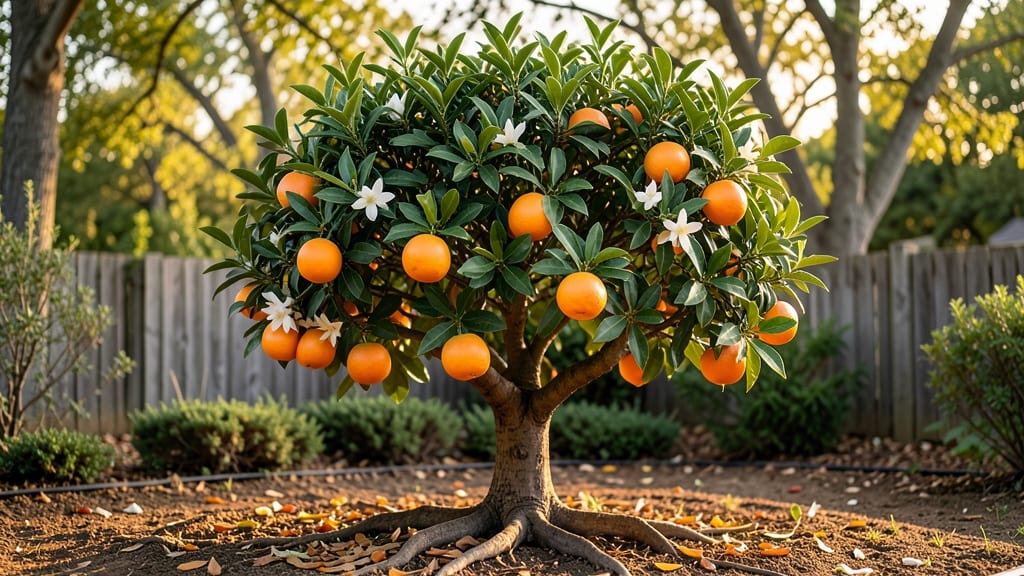
A Cara Cara orange tree’s mature size can range from a compact 6 feet to towering over your backyard at 25 feet, depending on the variety and how you grow it.
Picture this: a dwarf Cara Cara fits neatly on your patio, while a standard tree stretches toward the sky—both bearing those sweet, ruby-red fruits. The difference isn’t just about space; it’s about how you prune, where you plant, and even the rootstock you choose.
If you’re working with limited space, a dwarf or semi-dwarf variety might be your best bet, but even standard trees can be managed with the right techniques. Below, I’ll break down the sizes by variety, how climate affects growth, and whether a container could work for your setup.
You’ll also discover how pruning shapes your tree’s future—whether you want a manageable 10-foot beauty or a full-size citrus giant. Let’s get started.

Cara Cara orange tree size by variety: dwarf vs standard vs semi-dwarf heights
Choosing the right Cara Cara orange tree size depends on your space and goals. Whether you want a patio-friendly dwarf or a full-sized fruit producer, each variety offers unique benefits.
The tree's mature height is primarily determined by its rootstock, which controls growth rate and overall size while influencing fruit production.
Dwarf varieties typically reach 6-10 feet tall, making them perfect for small yards or containers. Semi-dwarf trees grow to 10-15 feet, offering a balance between manageable size and higher yields.
Standard varieties can tower 15-25 feet, requiring ample space but producing the most fruit. Understanding these differences helps you select the ideal tree for your garden layout and harvesting needs.
Rootstock plays a crucial role in tree size. Dwarf rootstock like Swingle citrumelo keeps trees compact, while semi-dwarf rootstock like Cleopatra mandarin allows moderate growth. Standard trees often use rough lemon rootstock, enabling vigorous growth. The right rootstock choice can also enhance disease resistance and fruit quality.
Here’s how each variety compares in terms of mature height, space needs, and productivity:
If you’re growing in containers, dwarf varieties are the best choice. They thrive in 15–25 gallon pots and can produce fruit for years with proper care.
Semi-dwarf trees may also work in large containers but require regular pruning to control size. Standard trees are best planted in-ground in spacious yards or orchards.
For urban gardeners, consider a dwarf Cara Cara grafted onto Swingle citrumelo rootstock. This combination keeps the tree under 8 feet tall while still yielding 50–100 oranges per year. In contrast, a standard tree can produce 200+ oranges annually but needs ample space and maintenance.
Pruning plays a key role in managing tree size. Even standard varieties can be kept smaller with annual pruning in late winter or early spring. Remove suckers and dead branches to encourage a fuller canopy and better airflow, which reduces disease risk.
Regular pruning also makes harvesting easier and improves fruit quality.
Your climate zone affects how quickly your tree grows. In USDA Zone 9b or warmer, Cara Cara trees grow year-round, reaching maturity faster. In cooler zones, growth slows in winter, so expect slightly slower height increases. Always plant in well-draining soil with a pH of 6.0–7.0 for optimal growth.
Before planting, measure your space and choose a variety that fits. A dwarf tree fits a 4x4 ft patio, while a standard tree needs at least 15x15 ft of clearance.
Consider future growth—even dwarf trees can outgrow their containers if left unchecked. With the right variety and care, you’ll enjoy fresh Cara Cara oranges for decades.
How growth conditions affect Cara Cara orange tree size (climate, soil, pruning)
Your Cara Cara orange tree won’t just grow—it will thrive or struggle based on its environment. Sunlight exposure, temperature ranges, and soil quality directly control how tall it becomes and how many fruits it produces.
In USDA Zone 9b (ideal for citrus), a standard tree can reach 15-25 feet, but in cooler climates like Zone 8, it may stay shorter or require winter protection. Understanding these factors helps you manage growth and maximize harvests.
For example, a dwarf variety in full sun with well-draining soil might hit 6-10 feet, while the same tree in partial shade or poor soil could lag behind.
Even pruning practices play a role—aggressive pruning keeps trees compact but may reduce fruit yield if overdone. Let’s break down how each condition influences your tree’s size and productivity.
🌱 Key Factors Affecting Cara Cara Orange Tree Size
| Factor | Impact on Size | Optimal Condition |
|---|---|---|
| Sunlight | Full sun (6+ hrs) = taller, bushier growth | South-facing, 6-8 hours daily |
| Temperature | Cold (<50°F) = stunted growth; heat (>90°F) = slower | 60-85°F year-round (Zone 9b+) |
| Soil Quality | Poor drainage = root stress; rich soil = faster growth | Well-draining, slightly acidic (pH 6.0-7.0) |
| Pruning | Heavy pruning = compact shape; minimal pruning = taller | Light annual pruning (remove dead wood) |
💡 Pro Tip: In cooler climates (Zone 8), use container growing with winter protection to control size and extend the growing season.
In tropical climates like Florida or California, your Cara Cara tree will grow vigorously with minimal stress, often reaching its full mature height of 15-25 feet. However, in USDA Zone 8 or colder, growth slows significantly.
To compensate, choose a dwarf rootstock or grow in a large container that you can move indoors during winter. Even a semi-dwarf variety in Zone 8 may only reach 10-12 feet without protection.
Soil quality is another game-changer. Citrus trees hate soggy roots, so amend heavy clay with compost or sand to improve drainage. If your soil is nutrient-poor, your tree will focus energy on survival rather than growth or fruiting.
Add organic matter like well-rotted manure or a citrus-specific fertilizer in early spring to fuel faster, healthier growth. Over time, this can increase your tree’s height by 2-3 feet per year compared to neglected soil.
Pruning isn’t just about shaping your tree—it’s a tool to control size and boost fruit production. If you want a compact Cara Cara tree, prune young branches by 20-30% annually in late winter. This encourages bushier growth and keeps the tree under 10 feet.
Avoid heavy pruning in summer, as it stresses the tree and reduces flowering. For standard varieties, minimal pruning (removing only dead or crossing branches) lets the tree grow taller naturally, often exceeding 15 feet in ideal conditions.
In container growing, size is entirely up to you. A dwarf Cara Cara in a 15-gallon pot will stay under 6 feet, while the same tree in a 50-gallon container might reach 10 feet. The key is root restriction: smaller pots = smaller trees.
Just ensure your container has drainage holes and use a well-draining potting mix to prevent root rot. Move containers indoors when temperatures drop below 40°F to protect your investment.
Remember, every Cara Cara orange tree is unique. Monitor its growth, adjust care based on your climate, and don’t hesitate to prune or repot as needed. With the right conditions, you’ll enjoy a bountiful harvest—and a tree that fits perfectly in your space! 🌿