
Featured
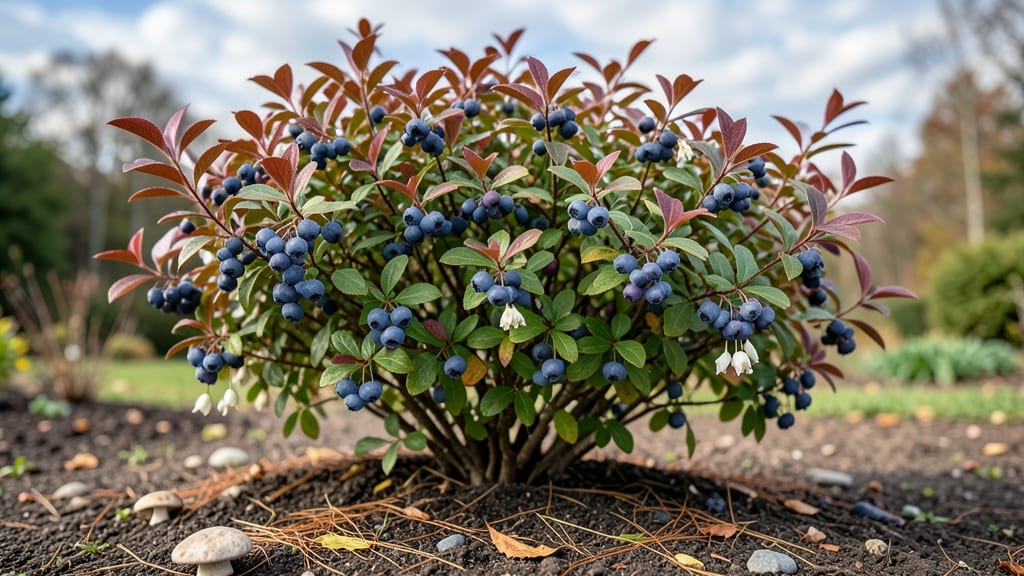
Your blueberry tree leaves turning red isn’t always a warning sign—sometimes it’s nature’s way of showing off. 🌿 I’ve seen this happen in my own yard, and it’s rarely the disaster people think. The color shift often signals seasonal stress, nutrient shifts, or even a healthy response to cooler weather.
Most reddening stems from low phosphorus or potassium, or even a temporary drought. The good news? Adjusting your soil pH (aim for 4.5–5.5) and giving the tree a balanced fertilizer in early spring can reverse it.
Overwatering or compacted soil can also trigger this, so check drainage and mulch properly.
If the leaves feel crispy or fall easily, pests or disease might be at play. Look for spider mites or fungal spots—treat with neem oil or copper spray if needed. Prune any severely affected branches to encourage fresh growth and better air flow.
By next spring, your tree should bounce back with vibrant green foliage. The key is acting fast when you spot the red—don’t wait until it spreads. Trust me, your bushes will thank you with bigger berries by summer!
Natural Triggers Behind Reddening Leaves
When your blueberry tree’s leaves start blushing shades of red, it’s rarely a cause for alarm—it’s often just nature’s way of putting on a seasonal show. But why does this happen?
The answer lies in a mix of biological processes, environmental cues, and even the tree’s internal chemistry. Let’s break down the science behind this vibrant transformation.
In many blueberry varieties, especially those grown in temperate climates, leaves turn red as temperatures drop and daylight shortens. This phenomenon is triggered by:
- Reduced chlorophyll production: Chlorophyll, the pigment responsible for green leaves, breaks down as daylight hours shrink. As it fades, other pigments—like anthocyanins (red/purple) and carotenoids (yellow/orange)—become visible. In blueberries, anthocyanins often dominate, creating that striking red hue.
- Sugar buildup: As photosynthesis slows, excess sugars accumulate in the leaves. These sugars can react with anthocyanins, intensifying their color. Think of it like a natural highlighter!
- Cold nights and warm days: A classic autumn pattern—cool nights slow sugar transport, while sunny days boost anthocyanin production. This combo creates the perfect conditions for red leaves.
Pro tip: 🌡️ If your tree is in a region with crisp autumns, this is totally normal! Embrace the foliage—it’s a sign your tree is healthy and thriving.
Not all red leaves are part of the autumn pageant. Sometimes, they’re a red flag (pun intended) that your blueberry tree is under stress. Here’s how to spot the difference:
| Symptom | Likely Cause | Action to Take |
|---|---|---|
| Leaves turn red unevenly or in patches | Nutrient deficiency (especially phosphorus or potassium) or pH imbalance in soil | Test soil pH (blueberries love 4.5–5.5) and amend with sulfur or peat moss. Fertilize with a balanced, acidic formula. |
| Red leaves paired with wilting, curling, or brown edges | Underwatering, drought stress, or root damage | 💧 Deep-water the tree (1–2 inches per week) and mulch to retain moisture. Check for girdling roots or pests. |
| Red leaves appearing early in the season (spring/summer) | Sunburn, herbicide drift, or fungal/bacterial infections | Move young trees to partial shade if in hot climates. Inspect for spots or lesions—treat with copper fungicide if needed. |
Pro tip: 🔍 Hold a leaf up to the light—if veins stay green while edges turn red, it’s likely a deficiency. If the whole leaf is uniformly red, it’s probably seasonal!
Some blueberry cultivars are genetically predisposed to red or purple foliage, especially when stressed or maturing. For example:
- ‘Duke’ or ‘Premier’ varieties: Often show red-tinged new growth in spring or after pruning.
- Southern highbush types (e.g., ‘Southern Belle’): May develop reddish leaves in hot, dry summers as a heat-tolerance mechanism.
- Rabbit-eye blueberries: Some varieties naturally produce deep red leaves year-round.
Pro tip: ✨ If your tree’s red leaves run in its family line, celebrate its unique genetics! Check your cultivar’s description for clues.
Next up: How to distinguish seasonal red from stress signals—because not all crimson is created equal!
Fixing Reddened Blueberry Leaves
When your blueberry tree’s leaves turn a vibrant red, it’s often a sign that nature is simply doing its thing—but sometimes, it’s a cry for help. The good news? Most causes have straightforward fixes, and with a little attention, you can restore your tree’s lush green glory.
Below, we’ll break down the most common reasons for red leaves and the practical, step-by-step solutions to bring your blueberry tree back to health.
Signs: Yellowing edges turning red, soggy soil, or leaves wilting despite moisture. Why it happens: Blueberry trees thrive in acidic, well-draining soil. If water pools around the roots or the soil stays soggy, roots suffocate, leading to nutrient starvation and stress—manifesting as red or purple hues.
How to Fix It: 🔥 Step 1: Check the Soil
- Stick your finger 2 inches deep into the soil. If it’s damp after 24 hours, you’re overwatering.
- Test drainage: Dig a small hole near the tree, fill it with water, and time how long it takes to drain. If it takes more than 6 hours, your soil is too compacted.
🍳 Step 2: Improve Drainage
- Mix coarse sand, perlite, or pine bark fines (1 part amendment to 3 parts soil) into the top 6–12 inches of soil around the tree.
- Raise the bed slightly if your yard floods easily—blueberries hate "wet feet."
👨🍳 Step 3: Adjust Watering - Water deeply but infrequently—aim for 1–1.5 inches per week (including rain).
Let the top 1–2 inches of soil dry out between waterings. - Mulch properly: Spread 2–3 inches of pine needles or wood chips (not fresh wood) around the base, keeping it 3–4 inches away from the trunk to prevent rot.
💡 Prevention Tip: Plant blueberries on a slight slope or in a raised bed if your yard has heavy clay soil.
Signs: Red or scorch marks on exposed leaves, especially on young trees or those suddenly moved to full sun. Why it happens: Blueberries love partial shade (especially in hot climates). Too much direct sun can cause oxidative stress, turning leaves red or crispy.
How to Fix It: 🔥 Step 1: Provide Shade
- Install light shade cloth (30–50% coverage) over the tree for the hottest 2–4 hours of the day during summer.
- Plant fast-growing shade trees (like Japanese maple or dogwood) nearby for long-term relief.
🍳 Step 2: Water Strategically
- Morning watering is key—water the soil (not leaves) before 10 AM to reduce evaporation and heat stress.
- Use mulch to keep roots cool (see overwatering section).
👨🍳 Step 3: Gradual Sun Exposure
- If you recently planted your tree, acclimate it slowly to full sun over 2–3 weeks to avoid shock.
🌡️ Prevention Tip: In Zones 7–9, choose southern-facing blueberry varieties (like ‘Premier’ or ‘Duke’) that tolerate more heat.
Signs: Red or purple spots with yellow halos, leaf curl, or white powdery growth (like rust or anthracnose). Why it happens: Fungi thrive in wet, humid conditions, especially if leaves stay damp overnight.
How to Fix It: 🔥 Step 1: Prune for Airflow
- Remove infected leaves (bag and dispose of them far from the tree).
- Thin out crowded branches to improve airflow—aim for 6–8 inches between leaves.
🍳 Step 2: Apply Fungicide
- Spray with a copper-based fungicide (like Copper Soap) or neem oil every 7–10 days during wet spells.
- For powdery mildew, mix 1 tsp baking soda + 1 tsp horticultural oil + 1 gallon water and spray undersides of leaves.
👨🍳 Step 3: Adjust Care
- Water in the morning to let leaves dry by night.
- Avoid overhead watering—use a drip irrigation system instead.
✨ Prevention Tip: Plant blueberries in full sun with afternoon shade to reduce humidity on leaves.
Signs: Red or purple veins or undersides, stunted growth, or small leaves. Why it happens: Blueberries need acid-loving nutrients—especially iron, phosphorus, and magnesium. Soil pH imbalances (too alkaline) lock out key minerals.
How to Fix It: 🔥 Step 1: Test Your Soil
- Get a soil pH test kit (aim for 4.5–5.5 for blueberries). If it’s above 6.0, you’re in trouble.
🍳 Step 2: Acidify the Soil
- For quick fixes: Sprinkle sulfur or peat moss around the base (follow package rates).
- For long-term health: Mix pine needles, oak leaves, or coffee grounds into the soil annually.
👨🍳 Step 3: Fertilize Correctly
- Use a blueberry-specific fertilizer (high in iron and manganese, low in nitrogen).
- Avoid lime or wood ash—they raise pH and worsen deficiencies.
📊 Prevention Tip: Mulch with pine straw every spring to maintain acidity naturally.
Signs: Uniform reddening in fall/winter, no wilting or spots. Why it happens: Blueberry leaves naturally turn red, purple, or orange in autumn due to anthocyanin buildup (a protective pigment). This is healthy—like maple leaves!
How to Handle It:
- Do nothing! 🌟 This is a sign of a thriving tree.
- Rake and compost fallen leaves in early spring to return nutrients to the soil.
Signs: Red leaves with tiny holes, webbing, or sap trails (signs of spider mites, aphids, or scale). How to Fix It:
- Blast off pests with a strong spray of water (disrupts their life cycle).
- Introduce beneficial insects (ladybugs, lacewings) or spray insecticidal soap.
- Prune heavily infested branches and dispose of them.
| Problem | Fast Fix | Prevention |
|---|---|---|
| Overwatering | Improve drainage + mulch | Test soil moisture before watering |
| Sunburn | Shade cloth + morning watering | Gradual sun exposure |
| Fungal Infection | Copper fungicide + prune airflow | Water at soil level |
| Nutrient Deficiency | Acidify soil + blueberry fertilizer | Mulch with pine straw annually |
| Seasonal Color Change | Nothing! Enjoy the show! | Rake leaves in spring |
Final Thought: Most red leaves are fixable with simple adjustments—but the key is acting early. Monitor your tree’s soil, sunlight, and moisture, and you’ll keep those leaves green (or at least happy) all season long! 🌿💚
Frequently asked questions
Is it normal for blueberry tree leaves to turn red in autumn?
Yes! This is completely natural and often a sign of a healthy tree. As temperatures drop and daylight shortens, chlorophyll breaks down, revealing red pigments called anthocyanins. Think of it like nature's way of putting on a seasonal show—just like maple leaves!
Why are my blueberry leaves turning red in the middle of summer?
Summer reddening usually signals stress. Check for these common culprits: overwatering (soggy soil), sunburn (too much direct heat), or nutrient deficiencies (especially phosphorus or potassium). Test your soil pH—blueberries thrive in 4.5–5.5 range.
Can I still harvest berries if the leaves are turning red?
Red leaves rarely affect berry production unless they're caused by severe disease or pest damage. The tree's focus shifts to fruit development in summer, so the leaves turning red is usually just seasonal color change. Just keep monitoring for other stress signs like wilting or spots.
What's the fastest way to fix nutrient deficiencies causing red leaves?
For quick results, apply an acid-loving fertilizer (high in iron and manganese) and amend your soil with sulfur or peat moss to lower pH. Mulch with pine needles to maintain acidity naturally. Most trees show improvement within 4–6 weeks of proper care.
Are red leaves contagious to other plants?
No, red leaves themselves aren't contagious. However, if the reddening is caused by fungal diseases (like anthracnose) or pests, those can spread. Always remove infected leaves and treat nearby plants preventatively with copper fungicide or neem oil if needed.