
Pruning
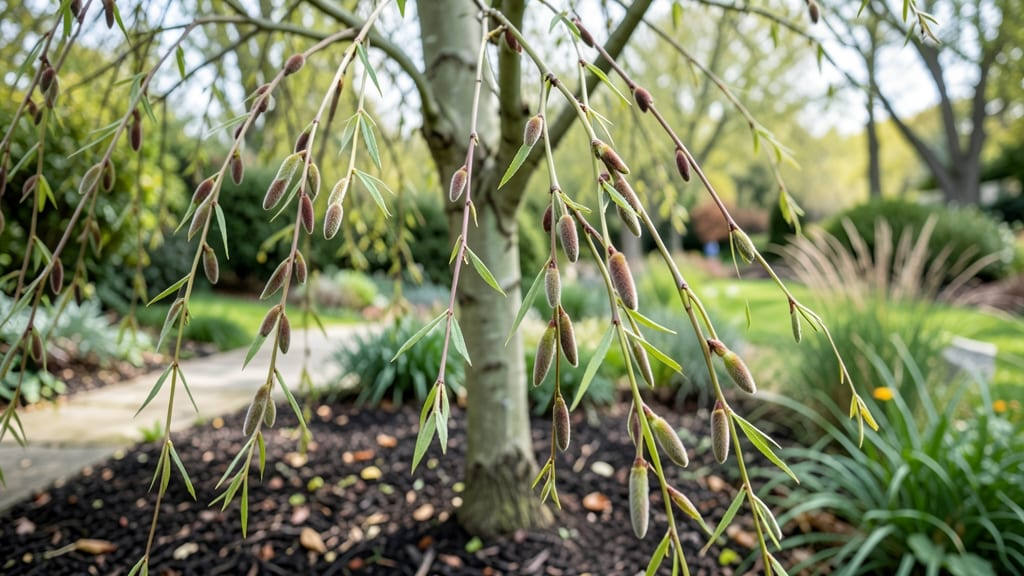
Understanding willow tree buds transforms your pruning from guesswork to art. 🌿 These fuzzy, golden clusters hold the secret to lush, arching branches that grace your landscape year-round.
I’ve pruned willows for over a decade, and the difference between a wild tangle and a graceful specimen comes down to timing and technique—both of which start with the buds.
The best time to prune willows is late winter, just as the buds swell but before they burst into new growth. This 30-day window after dormancy ensures you’re cutting at the right place—just above a healthy bud—and encourages vigorous, upright shoots.
Willow buds are surprisingly resilient, but prune too late, and you’ll trigger weak, leggy growth that flops under its own weight.
You’ll know you’re doing it right when you see fresh, bright green leaves unfurling within 2-3 weeks of pruning. The branches will thicken, the weeping habit will become more pronounced, and you’ll avoid the common pitfall of dieback from over-pruning.
Even invasive species like weeping willows respond beautifully when you work with their natural growth patterns.
For propagation, simply take 6-inch cuttings with at least two buds and root them in water—those same buds will sprout roots within 4-6 weeks. Whether you’re shaping a bonsai-style willow or controlling a sprawling landscape plant, mastering the buds gives you control.
Here’s how to make it happen without the mess.
📚 In This Guide
- What you need
- Instructions
- Tips and common mistakes
- Wrapping up and next steps
What you need
- ● Pruning shears: Bypass pruners (for small branches, ¼”–½” thick)
- ● Loppers: For medium branches (½”–2” thick)
- ● Pruning saw: For thicker branches (2”+ thick) – folding saws work best
- ● Gloves: Heavy-duty, cut-resistant (willow branches can be sharp!)
- ● Disinfectant: 70% isopropyl alcohol or a pruning sealant (to prevent disease spread)
- ● Ladder or step stool: Sturdy and tall enough to reach branches safely
- ● Heavy-duty trash bags: For collecting pruned branches (3–5 bags, depending on tree size)
- ○ Marking twine or flags: (Optional but helpful for identifying branches to keep)
- ● Hand saw: For stubborn, thick branches that loppers can’t handle
- ● Pruning rope: For larger branches (3”+ thick) to avoid tearing bark
- ● Safety glasses: Protect your eyes from debris
- ● Tree wound dressing: (Controversial—skip if your tree is healthy!)
- ● Notebook & pen: To jot down pruning notes for future reference
Step-by-step guide to pruning willow tree buds for optimal growth
Here’s how to shape your willow’s growth cycle—timing and technique make all the difference.
✂️ Step 1: Identify the Right Time for Pruning
Willows respond best to pruning during their dormant season, typically late winter or early spring before buds swell. This timing ensures you’re not removing energy reserves needed for new growth. Look for tight, plump buds along the branches—they’ll feel firm to the touch but not yet cracked open.
If you must prune in summer, do so immediately after flowering to avoid stressing the tree. Never prune in fall, as new growth won’t harden off before winter. I always mark my calendar for February to early March in my climate zone, but adjust based on your last frost date—willows hate cold snaps after pruning.
🌿 Step 2: Assess the Tree’s Structure and Health
Start by examining the tree’s overall form. Willow branches grow long and flexible, so your goal is to maintain an open, airy structure that prevents congestion. Remove any dead, diseased, or crossing branches first—they’re the weakest points and can spread problems to healthy wood.
Look for water sprouts (thin, vertical shoots) and suckers (shoots from the base)—these drain energy. Snip them at the base with clean, sharp pruners. Healthy buds should be evenly spaced along branches, not clustered. If you see mushroom-like growths at the base, that’s a sign of root rot, and you’ll need to address soil drainage first.
✂️ Step 3: Make Precision Cuts to Encourage Bud Growth
Use bypass pruners for branches under ½ inch thick and a pruning saw for thicker stems. Cut just above a bud that faces outward—this ensures new growth angles away from the center, improving airflow. Angle your cut at 45 degrees to prevent water from pooling and rotting the wound.
For shaping, remove no more than 25% of the tree’s foliage in one season. Willow trees recover quickly, but aggressive pruning can shock them. Focus on thinning out crowded branches rather than shearing. You’ll notice new buds swelling within weeks—that’s your signal the tree is responding well.
🌱 Step 4: Clean Up and Monitor for New Growth
After pruning, sterilize your tools with 70% isopropyl alcohol to prevent spreading disease. Collect and dispose of debris to reduce fungal risks. Water the base of the tree deeply to help it recover, but avoid overwatering—willows prefer moist but well-drained soil.
Watch for bright green shoots emerging from the buds within 4-6 weeks. These indicate successful pruning. If buds remain dormant or shoots appear weak, the tree may need additional nutrients. Apply a balanced fertilizer (10-10-10) in early spring to support new growth.
Tips & tricks for pruning willow tree buds
Pruning willow trees might seem intimidating, but these insights will help you achieve that perfect balance between art and science for a thriving tree.
Timing is Everything: While the instructions highlight February to early March as ideal, I've found that checking your local frost dates is crucial. If you're in a region with unpredictable weather, consider waiting until after the last frost—willows despise cold snaps post-pruning. I always double-check my local agricultural extension service for precise timing tailored to my microclimate. This small step can make the difference between a tree that thrives and one that struggles.
Tool Precision Matters: The instructions mention bypass pruners and pruning saws, but here's what nobody tells you—keep your tools razor-sharp. Dull blades crush stems instead of making clean cuts, which invites disease. I invest in high-quality pruners and hone them before each pruning session. For thicker branches, a pruning saw with fine teeth will give you cleaner cuts and less tearing of the bark. Remember, a clean cut heals faster and looks more professional.
Visual Cues for Healthy Buds: When assessing buds in Step 2, look beyond just their size—healthy buds should have a slight sheen and feel firm but not rock-hard. I've learned to gently press them with my thumbnail; if they dent slightly and spring back, they're ready for pruning. Avoid buds that feel mushy or have cracks—they're either diseased or already damaged. This tactile check helps me make better decisions about which branches to keep and which to remove.
Post-Pruning Care: The instructions mention sterilizing tools and deep watering, but here's my extra tip: mulch around the base after pruning. Use 2-3 inches of organic mulch like wood chips or shredded bark, keeping it a few inches away from the trunk. This helps retain moisture, regulates soil temperature, and prevents weed competition. Just be sure to refresh the mulch annually—old mulch can compact and reduce its effectiveness.
Pro Tips for Willow Tree Buds
- Pruning willow trees might seem intimidating, but these insights will help you achieve that perfect balance between art and science for a thriving tree.
- Timing is Everything: While the instructions highlight February to early March as ideal, I've found that checking your local frost dates is crucial.
- Tool Precision Matters: The instructions mention bypass pruners and pruning saws, but here's what nobody tells you—keep your tools razor-sharp.
Frequently asked questions
Got questions about willow tree buds and pruning? You’re not alone! Here are some of the most common queries—and their answers—to help you keep your willow thriving.
When is the best time to prune willow tree buds for optimal growth?
The ideal time to prune willow tree buds is late winter or early spring (before new growth starts). This timing encourages vigorous regrowth while minimizing stress. Avoid pruning in fall or during dormancy, as it can leave the tree vulnerable to disease or pests. For weeping willows, prune after their peak bloom to maintain shape without sacrificing flowers.
How much can I trim back willow tree buds without harming the tree?
Willows are resilient, but avoid over-pruning—never remove more than 25-30% of the canopy in a single session. For young trees, you can trim back to the ground if needed (they’ll regrow!). Mature willows benefit from selective pruning to remove dead, weak, or crossing branches. Always use sharp tools to make clean cuts just above a bud or lateral branch.
Can I propagate willow tree buds from cuttings? How do I do it?
Willow cuttings root easily in water or soil. Here’s how:
- Take 4–6 inch cuttings from healthy, flexible stems in late winter.
- Strip leaves from the lower half and place them in a jar of water (change weekly) or moist soil.
- Keep in bright, indirect light and maintain humidity (cover with a plastic bag if needed).
- Roots should appear in 2–4 weeks!
Why are my willow tree buds turning brown or dying after pruning?
Brown or dying buds after pruning usually signal one of three issues:
- Improper cuts: If cuts are too close to the trunk or jagged, the wound won’t heal. Always cut at a 45-degree angle above a bud.
- Disease or pests: Check for signs of canker (sunken, discolored areas) or aphids. Prune infected branches immediately and sterilize tools.
- Stress from over-pruning: Willows recover quickly, but excessive trimming can weaken the tree. Space pruning sessions 6–12 months apart.
Are there alternatives to willow tree buds for fast-growing privacy screens?
If willows aren’t your style, consider these fast-growing, low-maintenance alternatives:
- Leyland Cypress: Grows 3–4 feet per year, dense foliage, but needs regular pruning.
- Green Giant Arborvitae: Hardy, pest-resistant, and thrives in partial shade.
- Russian Olive: Drought-tolerant and tough, but invasive in some regions—check local regulations.
- Bamboo (clumping varieties): Rapid growth and lush screening, but requires containment.
Wrapping up and next steps
Willow tree buds hold the secret to lush, year-round growth—but only if you prune with care! By following the right techniques, timing, and tools, you’ll encourage vibrant foliage, strong structure, and even better bud development for seasons to come. 🌿✨
Ready to transform your willow tree? Start small: pick one section to prune this season, observe the changes, and build confidence. Whether you’re a gardening pro or a curious beginner, every snip brings you closer to a thriving, graceful tree. Happy pruning—your willow will thank you!