
Plants
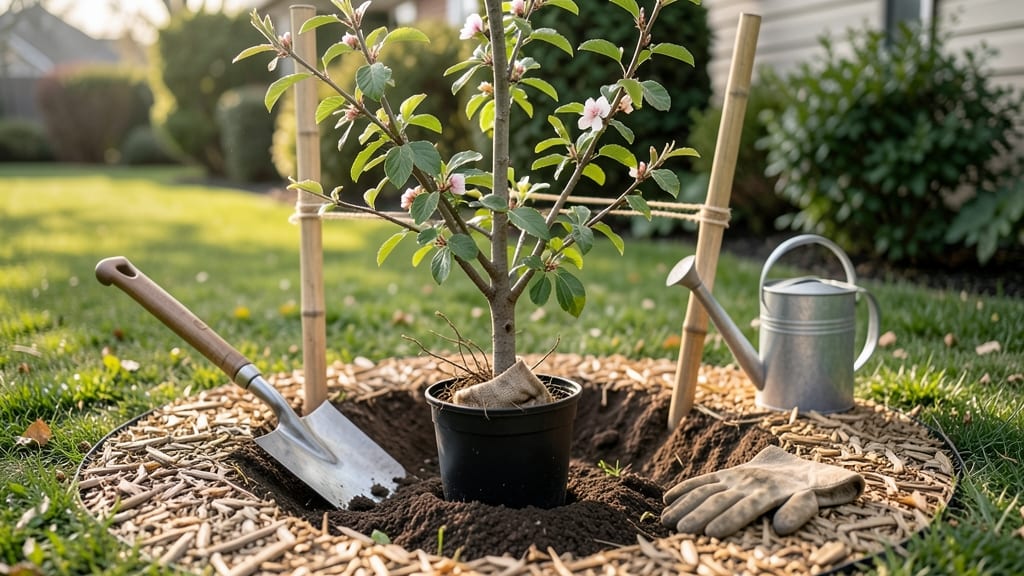
Planting a peach tree in Texas at the right time ensures your 🍑 thrives through the state’s brutal summers and unpredictable winters.
Get it wrong, and you risk a sapling that struggles—or worse, a tree that never bears fruit. The key isn’t just picking a month; it’s understanding your region’s microclimate, soil conditions, and frost patterns.
From the High Plains to the Gulf Coast, Texas spans zones 8a-10b, each with its own ideal window. Plant too early, and frost will damage tender roots; too late, and your tree may face heat stress before establishing itself.
Below, I break down the best months by region, soil prep secrets, and how to avoid common mistakes—so your peach tree grows strong and productive from day one.
Best months to plant peach trees in Texas by region (North vs. central vs. south)
Texas’ diverse climate means your peach tree planting window depends entirely on where you live. The High Plains (North Texas) face harsh winters and late frosts, while the Gulf Coast (South Texas) enjoys milder winters but sweltering summers.
Even Central Texas has microclimates that shift planting deadlines by weeks. Get it wrong, and your $50 sapling could turn into a $0 lesson.
Peach trees need 6-8 weeks to establish roots before summer heat or winter frost hits. That’s why I’ve broken down the ideal planting months for each Texas region—plus the soil temperature and frost-free date benchmarks you must track.
Pro tip: Use a soil thermometer ($15 at garden centers) to confirm your soil is 60°F+ before planting.
In North Texas, where winters can dip below 20°F, I recommend planting Redhaven peaches in late February. These trees thrive in Zone 7b-8a and handle the High Plains’ dry winds better than most.
Wait until soil temps hit 60°F—cold soil slows root growth, leaving your tree vulnerable to winter dieback.
Central Texas gardeners have a slightly longer window (March-April) thanks to milder winters. Here, Bonanza peaches shine—they’re heat-tolerant and produce earlier than northern varieties. But don’t plant after April 1, or your tree will struggle to establish before summer’s 100°F+ heat arrives. Use mulch rings to retain moisture.
If you’re in South Texas, you’ve got the easiest timing—but don’t get lazy. Plant Suncrest peaches in January-February when soil temps are 70°F+. The Gulf Coast’s humidity and heat mean peach trees here need extra airflow.
Space them 20 feet apart to prevent fungal diseases like brown rot.
Pro move: Check your local AgriLife Extension frost maps (free online) for your exact county’s last frost date. Urban areas like Austin or Dallas can be 5-7°F warmer than rural zones, delaying frost by 1-2 weeks.
For example, Downtown Austin might be safe to plant by March 10, while Hill Country waits until March 25.
After planting, water deeply once a week for the first 60 days—no matter the region. Peach trees hate drought stress or waterlogged roots. In North Texas, add 2-3 inches of mulch to protect roots from freeze-thaw cycles.
In South Texas, focus on shade cloth during summer to prevent sunburn on young bark.
One last tip: If you miss the spring window, you can plant bare-root peach trees in late fall (November)—but only in Zones 9a-10a. These trees need 6-8 weeks to harden off before winter. For North and Central Texas, fall planting is a gamble—stick to spring.
🍑 Ready to dig in? Grab your soil thermometer
Critical factors that determine your planting timeline (beyond just months)
When planning to plant a peach tree in Texas, most gardeners focus on the calendar month—but that’s only half the story. The real magic happens when you align your planting with soil temperature, last frost dates, and the specific peach tree variety you’ve chosen.
In Texas, where microclimates vary wildly from the High Plains to the Gulf Coast, these factors can shift your ideal window by weeks.
For example, early-blooming varieties like Elberta need to be planted 4-6 weeks before last frost to establish roots before spring flushes growth. Meanwhile, late-bloomers like Redhaven can handle slightly later plantings because they delay flowering until soil warms.
But get this wrong, and you risk root rot from cold, soggy soil or frost damage to tender new shoots.
🌱 Key Takeaway: The Perfect Planting Window
Urban heat islands and elevated areas add another layer of complexity. In cities like Austin or San Antonio, pavement and buildings trap heat, making soil warm up 2-3 weeks earlier than rural areas. This means you might safely plant in late February where rural gardeners wait until March.
Conversely, higher elevations like the Hill Country can experience later frosts, pushing your window toward early April.
Don’t overlook peach tree rootstock either. Dwarf varieties like Lovell establish faster than standard trees, so they can handle slightly later plantings. But all peach trees share one critical need: well-draining soil.
Compacted or clay-heavy soil in Texas can suffocate roots, especially after heavy rains. Amend with compost or sand to improve drainage before planting.
Finally, consider your tree’s first year growth. Peach trees planted too late may not harden off before winter, leaving them vulnerable to freeze damage. Aim for 6-8 weeks of root establishment before the first hard frost.
In Zone 8a (North Texas), that’s typically by mid-October, while Zone 10a (South Texas) buys you until December.
With these factors in mind, you’ll avoid the heartbreak of a peach tree struggling to survive Texas’ extremes. The key is local data—check your Texas A&M AgriLife Extension for your county’s frost dates, then adjust for your microclimate.
Your peach tree will thank you with bountiful fruit for decades. 🍑