
Plants
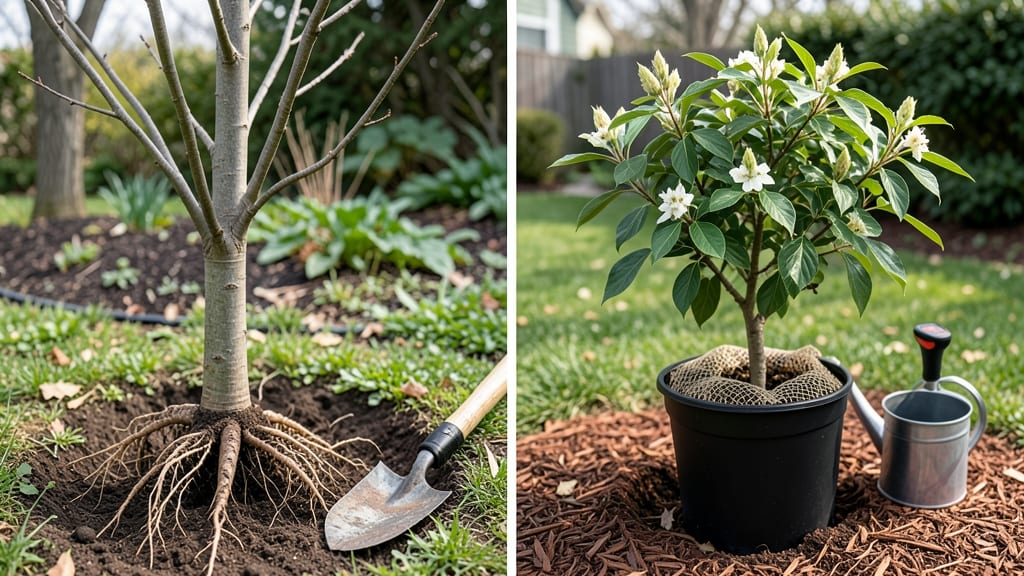
Planting a dogwood tree in fall gives it a strong start for spring growth, but the timing must be just right.
Picture this: You’ve picked out the perfect 🌳 dogwood tree—maybe a stunning Cornus florida with white blooms or deep burgundy foliage—and now you’re ready to plant it. But if you wait too late, frost can damage delicate roots before they establish.
Get it wrong, and your tree might struggle for years to catch up. The secret? Planting 4-6 weeks before the ground freezes in your zone.
Fall planting works because cooler soil temperatures reduce stress on the roots, and consistent moisture helps them grow before winter dormancy.
In USDA Zone 6a, that means aiming for October or early November, but regions with earlier frosts (like the northern Midwest) may need to plant by late September. Southern zones can stretch it to December, but don’t push it—soil that’s too cold slows root development.
Here’s what you’ll learn: the best months by zone, how to prep soil for maximum root growth, and 3 signs your dogwood needs extra winter protection. With the right timing, your tree will thank you with vibrant blooms and lush foliage for decades.
Best fall months to plant dogwood trees by region (USDA zones)
Fall planting gives Cornus florida trees a critical 6-8 week window to establish roots before winter dormancy. The ideal timing varies by USDA hardiness zone, balancing soil warmth and frost risk.
Plant too early, and roots may not harden before cold. Plant too late, and young trees face winter desiccation.
Northern regions (zones 3-6) need earlier planting to avoid early frosts, while Southern zones (7-9) can extend planting into late fall. The key is soil temperature—roots need 40-50°F for optimal growth but must harden before consistent freezing.
Here’s a zone-by-zone breakdown of the best months, with early vs. late fall considerations:
For zones 3-4, prioritize mid-September planting to allow 6+ weeks of root growth before consistent freezing. In zone 5-6, late September to mid-November works best—planting after November 15 risks winter desiccation in exposed sites.
Southern zones (7-10) can plant later, but avoid December in zone 7 where light frosts may occur. In zone 9-10, November-December planting is safe, as soils stay warm longer. Always check your local frost dates—aim for 4-6 weeks before the first hard frost.
Pro tip: Use a soil thermometer to confirm 50°F+ soil temps at 6 inches deep. If temps drop below 40°F, roots slow dramatically. In drought-prone areas, water deeply 1-2 weeks post-planting to encourage root spread before winter.
Regional variations matter too. In the Pacific Northwest (zone 7-8), October is ideal, while Southeast zones (8-9) can plant into early December. Always account for microclimates—valleys freeze faster than hillsides, and urban areas may stay 5-10°F warmer.
Watch for early fall color changes in nearby trees—a sign to plant sooner. If you miss the window, wait until early spring (March-April), but expect slower establishment compared to fall-planted trees. With the right timing, your dogwood will reward you with vibrant spring blooms and year-round interest.
🌳
Soil preparation & root care for fall-planted dogwood trees
Fall-planted dogwood trees need well-prepared soil and proper root care to thrive before winter dormancy. The key is creating an environment that encourages strong root growth while protecting against frost heave and soil compaction. Start by testing your soil’s pH (6.0-7.0) and drainage—dogwoods hate soggy roots!
If your soil is heavy clay or sandy, amend it with organic matter like compost or aged manure. Aim for a 2-3 inch layer mixed into the top 12 inches of soil. This improves aeration and moisture retention, which are critical for young roots establishing before winter.
- Test soil pH (6.0-7.0 ideal) and amend with lime or sulfur if needed.
- Dig a hole twice as wide as the root ball but only as deep.
- Mix compost or peat moss into native soil for better structure.
- Add slow-release fertilizer (10-10-10) to the hole’s base.
- Place tree so top of root ball sits 1-2 inches above grade.
- Backfill with native soil and water deeply to eliminate air pockets.
After planting, mulch with 3-4 inches of organic mulch (wood chips or shredded bark) to retain moisture and regulate soil temperature. Keep mulch 6 inches away from the trunk to prevent rot. Water deeply once a week if rainfall is insufficient, focusing on the root zone.
For extra protection in colder climates, wrap the trunk with tree guard or burlap to shield against winter winds. Avoid heavy mulching late in the season, as it can trap moisture and encourage fungal growth. Monitor for soil heaving—if the roots are exposed, gently refill with soil.
By late fall, reduce watering but keep soil slightly moist. Dogwoods enter dormancy when soil temps drop below 40°F. If your area gets heavy snow, brush it off branches to prevent snow mold.
With proper soil prep and root care, your dogwood will burst into spring growth ready to thrive!