
Pruning
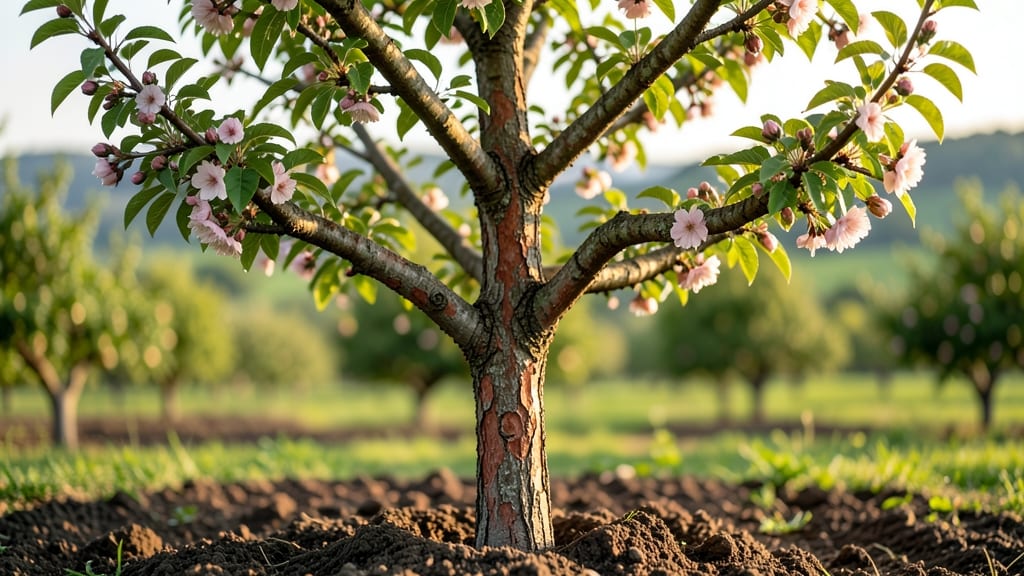
Peach tree bark peeling isn’t just unsightly—it’s a cry for help from your tree. 🌳 I’ve seen healthy peaches turn into sad, sunburned husks when homeowners ignore the warning signs, but these 3 simple cuts (and a few proactive steps) can restore your tree’s health before winter arrives.
Most peeling stems from sun scald (caused by harsh winter sun on pale bark), but pests like bark beetles or bacterial canker can also strip away layers.
The key is acting fast—whitewashing trunks in late fall, pruning damaged branches in early spring, and keeping the base mulched (but not piled against the trunk).
By summer, you’ll see fresh, smooth bark forming where the peeling once was, and your tree will rebound with stronger branches and heavier fruit. The secret? Catching issues early and giving your peach tree the right care at the right time.
Works for home orchards, backyard trees, and even container-grown peaches. Let’s get your tree back to its best—before next winter’s damage sets in.
The Hidden Triggers Behind Bark Peeling
Understanding why your peach tree’s bark is peeling requires peeling back the layers—literally and figuratively. This common issue isn’t just cosmetic; it’s a cry for help from your tree.
Let’s break down the key culprits behind this problem, so you can address the root cause (pun intended) and restore your peach tree’s health.
---
Peach trees are resilient, but they’re not immune to environmental whiplash.
When bark peels due to external factors, it’s often a sign of physical stress from: - Intense sunlight: Prolonged exposure to UV radiation (especially in hot, dry climates) can cause the outer bark to overheat and split, exposing the softer layers beneath.
Think of it like sunburn on human skin—your tree’s bark gets "fried" from too much direct light. - Temperature swings: Freeze-thaw cycles in winter or sudden heatwaves can make bark expand and contract, leading to cracks and peeling.
Young trees are particularly vulnerable because their bark is still developing. - Windburn: High winds scour the bark, stripping away protective layers and leaving it vulnerable to disease.
💡 Pro Tip: If your tree is in a full-sun, high-wind area, consider light pruning to reduce exposure or applying a tree wrap in winter to shield the trunk from extreme temps.
---
Peeling bark can be a red flag for pathogens that thrive in damaged or stressed trees. Two common offenders: - Bacterial canker: Caused by Pseudomonas syringae, this bacterium invades wounds (like pruning cuts or cracks) and produces oozing lesions that cause bark to peel and die.
Infected areas often smell sweet or rotten. - Fungal infections (e.g., silver leaf fungus): Fungi like Chondrostereum purpureum decay the inner bark, leading to peeling, discoloration, and even tree death if untreated. Look for white fungal threads under peeled bark.
⚠️ Warning Signs: - Gumming or oozing from cracks. - Dark, sunken lesions on the trunk. - Wilting leaves despite adequate water.
🔥 Action Step: If you suspect infection, prune infected branches 6+ inches below the damage (using sterilized tools) and dispose of debris to prevent spread.
---
Peach trees have thin, delicate bark compared to oaks or maples.
Any mechanical injury can trigger peeling as the tree’s defense mechanism: - Lawnmower or weed whacker strikes: Even a grazing cut can create a wound that peels over time, inviting pests or disease. - Animal rubbing: Deer, rabbits, or even pets scratching against the trunk can strip bark, exposing the cambium (the tree’s "life layer"). - Improper pruning: Topping a tree (cutting too close to the trunk) or tearing bark with dull tools leaves jagged wounds that peel and fail to heal properly.
👨🍳 Prevention Tip: - Use sharp pruners (cleaned with rubbing alcohol) to make smooth cuts at a 45-degree angle. - Apply wound paint (like Tanglefoot Tree Wound Pruning Sealer) to seal small wounds and reduce peeling.
---
Bark peeling can also signal internal starvation. Peach trees need balanced nutrients to maintain healthy bark: - Lack of boron or calcium: These minerals strengthen cell walls in the bark.
A deficiency leads to weak, brittle bark that peels easily. - Over-fertilization with nitrogen: Too much N (especially synthetic fertilizers) burns roots, reducing the tree’s ability to transport nutrients to the bark, causing thinning and peeling.
📊 Diagnostic Check: - Yellowing leaves (nitrogen excess) or brown, brittle tips (boron deficiency). - Stunted growth despite adequate water.
✨ Fix It Fast: - Test soil (use a DIY kit or send to a lab). - Amend soil with compost, bone meal (for phosphorus), or borax (sparingly) if deficient.
--- Not all peeling is a crisis! Mature peach trees (especially 10+ years old) may shed bark naturally as part of their growth cycle. Look for: - Thin, papery layers peeling off without ooze or rot. - Healthy leaves and fruit despite the bark changes.
🌡️ How to Tell the Difference: | Normal Shedding | Problematic Peeling | |---------------------|-------------------------| | Dry, flaky bark | Wet, sticky, or oozing | | No lesions or rot | Dark spots or fungus | | Tree looks vigorous | Wilting, sparse leaves |
🎯 When to Worry: If peeling is uneven, accompanied by other symptoms, or worsens over time, investigate further.
--- Final Thought: Peeling bark is your tree’s way of sending an SOS.
By identifying whether the cause is environmental, biological, physical, or nutritional, you can target the fix—whether it’s shading, pruning, fungicide, or fertilizer adjustments. Act fast, and your peach tree can bounce back stronger than ever!
Fixing Peeling Bark in Peach Trees
Peeling bark on your peach tree isn’t just an eyesore—it can signal stress, disease, or even pests. But don’t worry! With the right approach, you can restore your tree’s health and prevent further damage.
Below, we’ve mapped out practical solutions based on the most common causes of bark peeling, along with prevention tips to keep your peach tree thriving year-round.
---
Fix: Protect your tree from extreme conditions and promote recovery.
- 🔥 Apply a White Tree Paint or Mulch: - In late winter or early spring, coat exposed bark with white latex paint (specifically formulated for trees) to reflect sunlight and prevent sun scald.
Alternatively, mulch the base with 2–4 inches of organic material (like wood chips) to insulate roots and regulate soil temperature. - Pro Tip: 💡 Avoid piling mulch directly against the trunk—keep it 6+ inches away to prevent moisture buildup and rot.
- 🌡️ Gradual Acclimation for Young Trees: - If your tree is newly planted, avoid sudden temperature drops. Move potted trees indoors or to a sheltered spot during frost warnings, and water deeply before cold snaps to help roots withstand stress.
- 🌿 Prune Damaged Areas (But Wait!): - Only trim dead or severely cracked bark—never healthy tissue. Use sterilized pruners (rubbing alcohol or bleach solution) to cut just outside the damaged area at a 45-degree angle. Seal larger cuts with pruning sealant to prevent infection.
---
Fix: Eliminate pests and restore bark integrity.
- 🔪 Inspect and Remove Infested Bark: - Scrape off loose, peeling bark caused by borers or scale insects—these pests hide underneath. Dispose of debris in a sealed bag (not compost). - Warning: ⚠️ Wear gloves and a mask to avoid irritation from sap or pests.
- 💦 Apply Targeted Pest Control: - For borers: Drill small holes into the bark near tunnels and inject beneficial nematodes or Bt (Bacillus thuringiensis)—both are organic and effective. - For scale/spider mites: Spray with neem oil (1 tsp per quart of water + a drop of dish soap as a surfactant) or insecticidal soap.
Repeat every 7–10 days until pests are gone. - Pro Tip: 🌡️ Time sprays for early morning or evening to avoid burning the tree in direct sunlight.
- 🐝 Encourage Natural Predators: - Plant companion plants like lavender or marigolds near your peach tree to attract ladybugs and parasitic wasps, which prey on scale and mites.
---
Fix: Treat infections and improve tree hygiene.
- 🧴 Use Fungicides (Preventively or Curatively): - Copper fungicide (like Bordeaux mixture) works well for bacterial cankers—apply before bud break in early spring and again after harvest. - For peach leaf curl, spray with fungicide (e.g., lime sulfur or captan) in late fall or early winter (when the tree is dormant). - Safety Note: ⚠️ Follow label instructions—some fungicides require protective gear.
- 🧹 Remove and Destroy Infected Bark: - Cut out cankers (sunken, dead areas) with sterilized pruners, extending 6–12 inches beyond visible damage.
Burn or bag the debris do not compost. - Pro Tip: ✨ Sterilize tools between cuts with 70% isopropyl alcohol or a 10% bleach solution to prevent spreading pathogens.
- 🌧️ Improve Air Circulation: - Thin out dense branches to reduce humidity near the trunk. Aim for 6–8 feet of space between trees for better airflow.
---
Fix: Correct pruning mistakes and protect the tree.
- 👨🍳 Prune at the Right Time: - Best time: Late winter or early spring (before buds swell).
Avoid pruning in fall—it invites pests and diseases. - How to cut: - Use sharp, clean pruners to make cuts at a 45-degree angle just outside the branch collar (the swollen area where the branch meets the trunk). - Never leave stubs—this invites decay.
- 🛡️ Protect from Lawn Equipment: - Keep mowers, trimmers, and string trimmers at least 3 feet away from the trunk. Use tree guards (plastic or metal) if pets or kids frequently play nearby.
- 🎯 Monitor for Healing: - Healthy peach trees seal cuts naturally within a few weeks. If you see oozing sap or dark streaks, apply pruning sealant and watch for signs of infection.
---
1. 💧 Water Deeply but Infrequently: - Peach trees hate wet feet—water 1–2 times per week (deeply, soaking the root zone) rather than daily shallow watering.
2. 🍎 Fertilize Smartly: - Use a balanced, slow-release fertilizer (10-10-10 or 8-3-9) in early spring. Avoid high-nitrogen fertilizers—they promote leafy growth at the expense of bark strength.
3. 🌡️ Mulch Correctly: - Use 3–4 inches of organic mulch (like shredded bark or straw) and keep it 6+ inches from the trunk to prevent moisture-related rot.
4. 🔄 Regular Inspections: - Check your tree monthly for early signs of peeling, pests, or disease. Catch problems early before they spread!
5. 🌳 Plant in the Right Spot: - Peach trees thrive in full sun (6+ hours/day) with well-draining soil. If your yard is shady or soggy, consider container growing for better control.
--- By addressing the root cause and following these simple, actionable steps, your peach tree’s bark will heal—and your tree will reward you with sweeter fruit and stronger growth for years to come! 🍑✨
Frequently asked questions
Why does my peach tree bark peel in winter?
Winter peeling is usually caused by sun scald—when harsh winter sun heats pale bark while temperatures drop below freezing. This creates stress cracks that peel. Young trees or those in exposed areas are most vulnerable. Protect trunks with white tree paint or burlap wraps before winter arrives.
Is peeling bark always a sign of disease?
No! Some peeling is normal as trees grow, especially in mature peach trees (10+ years old). Look for these clues: healthy leaves, no oozing, and dry flakes rather than wet or sticky patches. If you see dark lesions or fungal threads, that’s a red flag for infection.
Can I save my peach tree if the bark is already peeling badly?
Yes, but act fast! First, prune damaged branches (6+ inches below peeling) with sterilized tools. Then apply copper fungicide if you spot cankers, and mulch properly (3-4 inches, 6+ inches from trunk). For severe cases, consult an arborist—they can assess if the tree’s cambium layer (growth layer) is still intact.
Will peeling bark affect my peach harvest?
It depends on the cause. Mild peeling (like sun scald) rarely hurts fruit production, but severe damage (from disease or pests) can weaken the tree, reducing yield. Focus on fixing the root issue—healthy bark = healthier fruit! Monitor for leaf curl or small fruit, which may signal deeper problems.
How often should I check my peach tree for bark issues?
Inspect your tree every 4-6 weeks during growing season (spring-fall), and monthly in winter if you live in a cold climate. Pay extra attention after storms, pruning, or extreme temperature swings. Early detection gives you the best chance to prevent permanent damage.