
Pruning
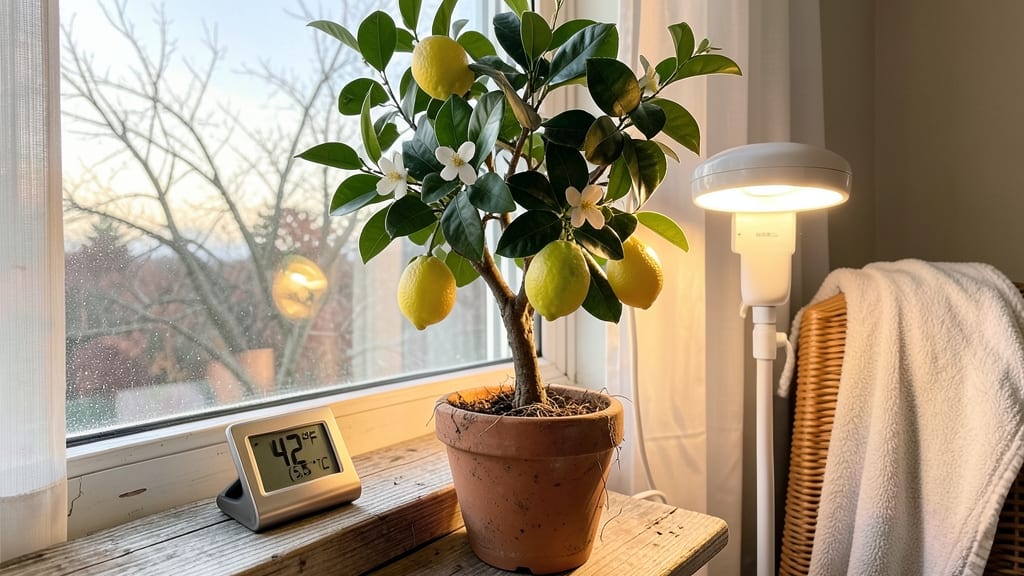
Bringing your Meyer lemon tree 🍋 inside at the right time keeps it thriving through winter, and the key is watching for consistent nighttime temperatures below 50°F—the moment its leaves start whispering for warmth.
You’ve spent months nurturing your citrus tree, only to risk losing it to a single cold snap. The first frost isn’t the only trigger—even a 45°F dip can damage tender leaves, and by then, it’s often too late for a smooth transition. Timing matters more than you think.
In USDA Zone 9b, where frost is rare but dropping temps are common, the real danger comes from prolonged cool spells.
Most growers wait until nighttime lows hover near 40°F, but if your tree is already showing signs like yellowing leaves or stunted growth, it’s time to act—before the damage sets in.
This guide breaks down the exact temperature thresholds, step-by-step prep for indoor life, and how to avoid the three biggest mistakes that turn a simple move into a disaster. Let’s get your Meyer lemon tree through winter unscathed.
Meyer lemon tree cold-hardiness: exact temperature triggers to move indoors
Meyer lemon trees (Citrus × meyeri) are tropical divas that love warmth but despise cold drafts. Unlike hardy citrus like calamondins, Meyer lemons can’t tolerate temperatures below 40°F—even a brief dip can shock their system.
The key to protecting your tree lies in understanding three critical temperature thresholds: 50°F, 45°F, and freezing risks. Here’s how to decode the signs and act fast.
Most gardeners make the mistake of waiting for frost warnings before moving their trees indoors. By then, it’s often too late—leaf yellowing, wilting, or even blackened spots signal irreversible damage. Meyer lemons are more cold-sensitive than standard lemons because their hybrid genetics prioritize sweetness over resilience.
That means your 50°F threshold is your first warning bell: this is when growth slows dramatically, and leaves may start curling.
At 45°F, your tree is in emergency mode. This is the point where roots struggle to absorb water, and leaves may develop brown edges or drop prematurely. If you’re in USDA Zone 8 or colder, this threshold arrives earlier—sometimes as early as September in inland areas.
Coastal regions get a 2-4 week reprieve thanks to ocean moderation, but don’t rely on it.
Below-freezing temperatures (32°F or lower) are a death sentence for Meyer lemons. Even a single night below 30°F can kill the tree, though containers offer slightly more protection than in-ground plantings. The good news?
Most potted Meyer lemons survive if moved indoors before temps drop to 40°F. The bad news? Once damage starts, recovery is slow, and fruit production may halt for the season.
If you’re in Zone 8 or colder, start your indoor transition by mid-September to avoid rushing. For Zone 9 gardeners, aim to move trees in by late October, but keep an eye on nighttime lows—they’re often the culprit.
Pro tip: Use a minimum-maximum thermometer near your tree to track fluctuations accurately. Place it 6 inches above the soil for the most reliable readings.
Meyer lemons also show subtle warning signs before visible damage occurs. Watch for leaves that feel stiff or brittle to the touch, a sign of cold-induced dehydration. New growth may stop abruptly, and buds might fail to open.
These are your early alerts to act. Ignoring them can lead to root rot or nutrient loss, which takes months to recover from.
One common misconception is that larger pots equal better cold protection. While bigger containers help roots retain warmth slightly longer, the real safeguard is insulation. Wrap the pot in bubble wrap or move it to a garage or sunroom if indoor space is limited.
Just ensure the area stays above 50°F—garages can get chilly at night. For extra protection, place a space heater on low near the tree (keep it 3 feet away to avoid drying out leaves).
Remember, Meyer lemons are not frost-hardy, but they’re also not delicate if you act proactively. The 50°F rule is your best friend: once temps dip below this, your tree’s metabolism slows to a crawl.
By moving it indoors at the first sign of stress, you’ll preserve its fruit production and leaf health for next season. Think of it as citrus winterization—just like you’d blanket your roses before frost.
🍋 For gardeners in Zone 7 or colder, consider growing Meyer lemons exclusively indoors year-round. They thrive under grow lights (12+ hours/day) and can
Step-by-step guide: how to transition your Meyer lemon tree indoors before frost
Transitioning your Meyer lemon tree indoors before frost isn’t just about timing—it’s about preparing your tree for a smooth shift in environment. Start by monitoring outdoor temperatures: when nighttime temps dip to 50°F (10°C), it’s time to begin your 7-day acclimation plan.
This gradual process helps your tree adjust to lower light levels and indoor humidity without shock.
Before moving your tree, prune lightly to remove any damaged or crowded branches. This encourages healthier indoor growth and reduces stress. Use sterilized pruning shears to make clean cuts just above a leaf node. Avoid heavy pruning—this can weaken your tree during the transition.
7-Day Acclimation Timeline for Indoor Transition
- 1 Day 1-2: Gradual Light Reduction – Move your tree to a shadier spot outdoors (e.g., under a 50% shade cloth) for 4-6 hours daily.
- 2 Day 3-4: Short Indoor Stints – Bring your tree indoors for 2-3 hours/day near a south-facing window, then return it outside.
- 3 Day 5-6: Full Indoor Move – Place your tree indoors permanently, but keep it near the brightest window (or under grow lights for 12+ hours/day).
- 4 Day 7: Adjust Care Routine – Reduce watering slightly (let the top 1-2 inches of soil dry) and increase humidity with a pebble tray or humidifier.
If your Meyer lemon tree is root-bound, now’s the time to repot into a slightly larger container (1-2 inches wider). Use a well-draining citrus potting mix and ensure the new pot has drainage holes.
Gently loosen the roots and trim any circling roots to encourage outward growth. This step prevents root stress during the transition.
Indoor environments often lack humidity, which can cause leaf drop or pests. Place a humidifier nearby or group your tree with other plants to create a microclimate. Wipe leaves with a damp cloth weekly to remove dust, ensuring maximum light absorption.
Avoid placing your tree near heating vents or drafty windows, as sudden temperature swings can stress it further.
Monitor your tree closely for the first 2-4 weeks indoors. Watch for signs of stress, like yellowing leaves (often from overwatering) or dropped buds (from low humidity).
If you notice leaf curl or stunted growth, supplement with a balanced citrus fertilizer (half-strength) to support recovery. Patience is key—your tree will adapt!
With the right prep, your Meyer lemon tree can thrive indoors year-round, producing sweet, juicy lemons even in winter. The key is gradual adjustments, proper light exposure, and attentive care. Soon, you’ll be harvesting lemons in every season!