
Plants
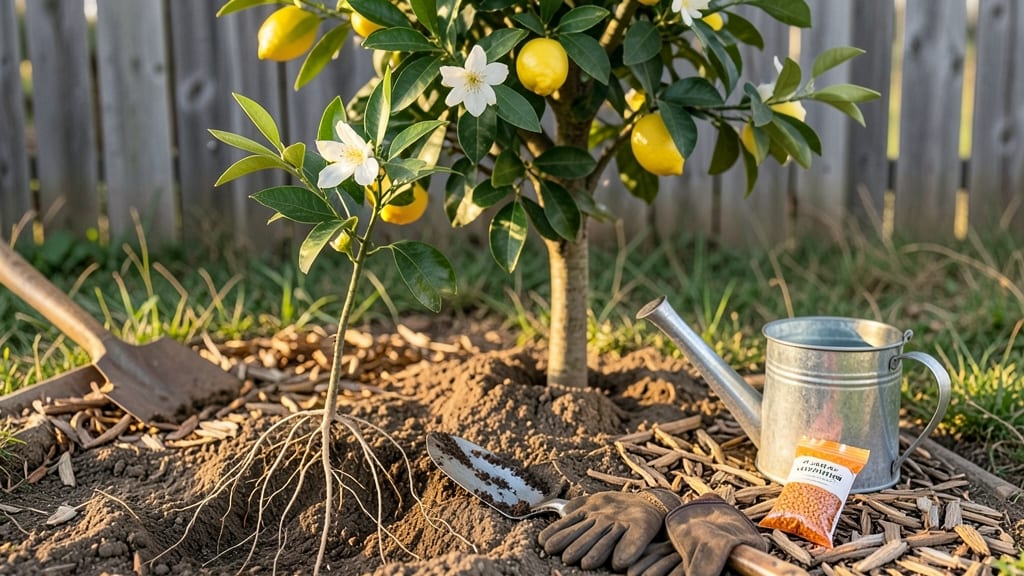
Planting a lemon tree in California at the best time to plant a lemon tree in California—late winter to early spring—sets the stage for fast root growth and a bountiful harvest.
Picture this: you’ve just brought home your 🍋 lemon tree, eager to watch it thrive in your backyard. But if you plant too early, a surprise frost could stunt its growth—or worse, kill it before it even takes root.
The key? Knowing when the last frost has passed in your specific region, whether you’re in coastal San Diego or inland Sacramento.
California’s 8-11 USDA zones mean frost risks vary wildly, but the general rule is to plant between January and March for the best results. Southern California gardeners can even start as early as December, while Northern regions should wait until late February or March to avoid frost damage.
In this guide, I’ll break down the exact frost-free window for your area, how to prep your soil for planting, and what to watch for to ensure your lemon tree grows strong and healthy from day one.
California’s frost-free window: the ideal months for lemon tree planting
Lemon trees thrive in California’s mild winters, but planting timing directly impacts root establishment and fruit production. The optimal frost-free window varies by region—coastal areas can plant earlier, while inland zones must wait until soil temperatures consistently stay above 60°F (15°C).
This window ensures 3x faster root growth compared to off-season planting.
Southern California’s year-round growing season allows planting almost anytime, but January-February offers the best balance of cool roots and warm days. In Central and Northern regions, aim for late February to early April to avoid late frost risks. Even a single 28°F (-2°C) night can kill young trees.
Here’s how California’s microclimates break down for lemon tree planting:
| Region | Ideal Planting Months | Soil Temp Requirement | Frost Risk | Root Growth Boost |
|---|---|---|---|---|
| Southern CA (USDA 10-11) | January–March | 60°F+ (15°C+) | Minimal (Dec–Feb) | Fast (6+ weeks) |
| Central CA (USDA 9-10) | February–April | 65°F+ (18°C+) | Moderate (Nov–Mar) | Moderate (8+ weeks) |
| Northern CA (USDA 8-9) | April–May | 70°F+ (21°C+) | High (Oct–Apr) | Slow (10+ weeks) |
| Coastal (All Regions) | December–February | 55°F+ (13°C+) | Low (rare frost) | Fastest (5+ weeks) |
Coastal gardeners enjoy the longest frost-free windows (up to 365 days in Southern CA), while inland areas face shorter windows (as few as 270 frost-free days). Always check your local frost dates—the USDA Plant Hardiness Zone Map is your best tool.
For example, San Diego averages its last frost on January 15, while Sacramento typically sees frost until March 1.
To accelerate root establishment, plant when daytime temps hit 70°F (21°C) but nights stay cool (50-60°F / 10-15°C). This balance prevents heat stress while encouraging root expansion. In container planting, roots grow 20% faster when soil stays consistently warm—ideal for delayed planting in cooler zones.
If you miss the window, don’t panic—container growing extends your planting options. Move potted trees outdoors in spring once soil warms, then acclimate gradually (harden off) over 2-3 weeks to avoid transplant shock. For bare-root trees, soak roots for 2-4 hours before planting to jumpstart growth.
Protect young trees with frost cloth if late frosts threaten. Even 30°F (-1°C) can damage new growth, so mulch heavily (4-6 inches) to insulate roots. In Northern CA, consider dwarf varieties like ‘Meyer Lemon’, which tolerate brief cold snaps better than standard types.
Timing isn’t just about months—it’s about microclimates. A sunny south-facing slope warms faster than a shady valley, so adjust planting 2-4 weeks later in cooler spots. Use a soil thermometer to confirm 60°F+ (15°C+) at 6-inch depth before planting.
Remember: Patience pays off. Trees planted in the optimal window may produce fruit in 2-3 years, while off
How to prepare your lemon tree for planting outside the perfect window
If you missed the ideal frost-free window for planting your lemon tree, don’t panic. With the right preparation, you can still give your tree the best chance to thrive in California’s varied microclimates.
Whether you’re dealing with coastal chill, inland heat, or frost pockets, these strategies will help you adapt your planting timeline without sacrificing success.
First, consider your lemon tree’s origin. If it’s a container-grown tree, it can adapt more easily to outdoor conditions, while bare-root trees need extra care to establish roots. Both require soil temperatures above 60°F for optimal growth, so timing matters even if you’re planting outside the traditional window.
⚠️ callout warning
Planting a lemon tree outside California’s frost-free window (typically January-February) increases frost damage risk, especially in Zone 9 or higher. If you must plant later, monitor 10-day forecasts and use temporary protective measures like frost cloths or row covers. Inland areas (e.g., Sacramento Valley) face higher risks than coastal regions (e.g., San Diego).
For delayed planting, prioritize well-draining soil and container options—both allow flexibility to move trees indoors if frost threatens. Cold-hardy varieties like ‘Meyer lemon’ or ‘Ponderosa lemon’ tolerate slightly cooler temps but still need protection below 28°F.
For container planting, choose a pot at least 18-24 inches wide with drainage holes to prevent root rot. Use a citrus-specific potting mix blended with perlite or sand for aeration.
If transplanting a nursery tree, soak its roots in water for 1-2 hours before planting to reduce transplant shock. This step is critical if you’re planting outside the ideal window.
If your microclimate has frost pockets (common in valleys or shaded areas), opt for a large container that you can roll indoors during cold snaps. Coastal gardeners, meanwhile, may face chilly winds—use a windbreak like burlap or a temporary fence to shield young trees.
Inland areas should avoid planting after mid-March to prevent heat stress during summer.
Cold-hardy varieties like ‘Improved Meyer lemon’ can survive brief dips to 20°F, but even these need protection. Wrap the trunk with bubble wrap or use a tree guard to insulate against frost.
Mulch the base with 3-4 inches of straw or wood chips to regulate soil temperature. For extra security, place a Christmas light string around the tree to generate gentle heat on frosty nights.
Finally, adjust your watering schedule if planting outside the ideal window. Newly planted trees need deep watering every 2-3 days to encourage root growth, but reduce frequency in summer heat to prevent fungal issues.
Monitor soil moisture with your finger—it should stay evenly moist but not soggy. With these adjustments, your lemon tree can still thrive even if you missed the perfect planting window.
🪴