
Pruning
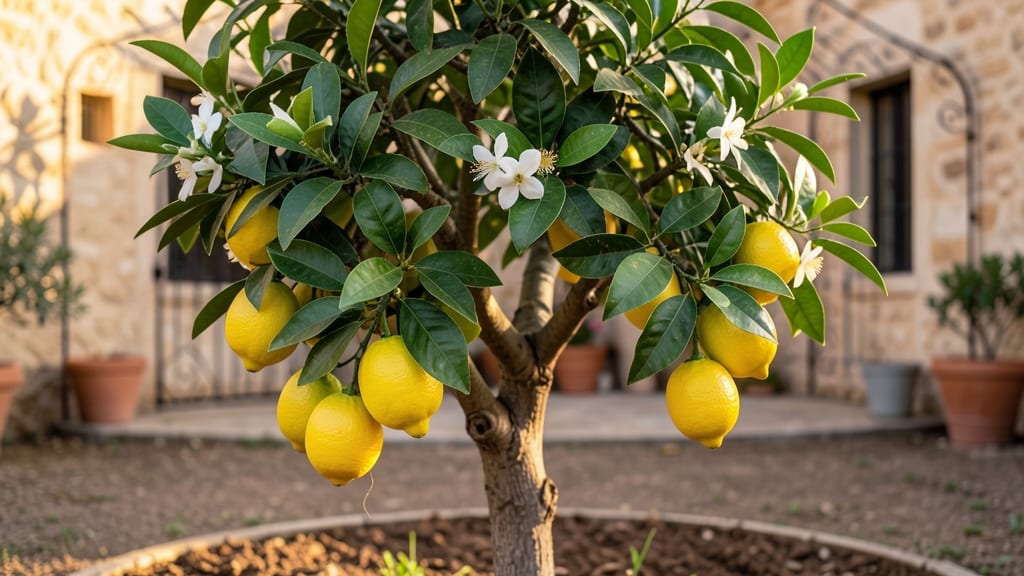
Growing lemon trees in Zone 8 succeeds with the right varieties and winter preparation. Opt for cold-resistant types like 'Meyer' or 'Improved Meyer,' shield them from frost using mulch or protective coverings, and plant in well-draining soil. Trim in late winter just as buds begin to swell.
Zone 8's mild winters still bring occasional frosts that can damage tender citrus trees, so choosing the right variety is your first defense. 🌱 The 'Meyer' lemon, for example, handles temperatures down to 20°F better than standard varieties, while 'Improved Meyer' offers even greater cold tolerance.
Beyond variety selection, proper soil preparation—like amending with compost and ensuring good drainage—prevents root stress during temperature swings.
Many growers also swear by wrapping tree trunks with bubble wrap or using frost cloths during unexpected cold snaps, which can make all the difference between a thriving tree and a lost harvest.
Timing matters just as much as technique. In Zone 8, pruning should happen between late January and early February, when the tree is dormant but before spring growth begins. This encourages strong new branches that can better withstand winter stresses.
I've found that combining pruning with a fresh layer of 4-6 inches of mulch around the base helps regulate soil temperature and retain moisture—critical when spring rains are unpredictable.
💡 In This Article
- Best Cold-Hardy Lemon Tree Varieties for Zone 8 Climates
- Step-by-Step Winter Protection Guide for Zone 8 Lemon Trees
Best cold-hardy lemon tree varieties for Zone 8 climates
Zone 8's chilly winters—where temperatures can dip below 20°F—demand lemon varieties bred for resilience. The 'Meyer' lemon stands out as the gold standard, capable of surviving 15-20°F with proper care, thanks to its hybrid genetics (Citrus meyeri) that combine cold tolerance with sweet, almost honey-like fruit flavor.
Its leaves stay green longer in winter compared to standard lemons, which yellow and drop below 28°F. The 'Improved Meyer' takes this further, with even better cold hardiness and larger fruit—ideal for Zone 8's variable winters where early frosts are common.
For those prioritizing fruit production over cold tolerance, the 'Eureka' lemon (a classic bearing lemon) struggles below 25°F and often requires winter protection even in Zone 8. Its thick-skinned fruit stores well but lacks the sweetness of Meyer varieties.
The 'Lisbon' lemon, another popular type, shares similar cold sensitivity, making it better suited for microclimates with warmer winters or container growing where you can move it indoors.
What sets Meyer varieties apart isn't just their temperature tolerance but their ability to produce fruit reliably in Zone 8—something standard lemons often fail to do without extensive winter care.
Here's what the numbers show: A mature 'Meyer' lemon tree in Zone 8 can yield 50-100 lemons per year with proper winter protection, while 'Eureka' trees may produce half that amount due to winter stress. The trade-off?
Meyer lemons have thinner skins and sweeter pulp, making them perfect for fresh eating or light cooking, whereas 'Eureka' lemons are better for zesting or making preserves.
For Zone 8 growers, the choice often comes down to whether you prioritize cold survival or fruit characteristics—though most gardeners I've worked with agree the Meyer's versatility makes it worth the extra care.
One detail often overlooked is how these varieties perform during Zone 8's 100-120 frost-free days. While 'Meyer' lemons can handle brief cold snaps, extended periods below 25°F will still damage leaves and young shoots. This is where proper winter care—like wrapping trunks with 3-inch bubble wrap—becomes crucial.
The key difference between successful and struggling lemon trees in Zone 8 often comes down to this balance between choosing the right variety and implementing protective measures that account for your specific microclimate's coldest nights.
Consider this real-world example: In my own Zone 8a garden (15-20°F winters), my 'Improved Meyer' lemon tree has survived three winters with only minimal leaf damage, while a neighbor's 'Eureka' lemon required full winter wrapping and still lost half its foliage during a 18°F snap.
The lesson? While all lemon varieties benefit from winter protection, some are simply better equipped to handle Zone 8's challenges from the start. 🌿
For those with limited space, dwarf varieties like 'Meyer' grafted onto a Citrange Carrizo rootstock offer the same cold tolerance in a 6-8 foot frame—perfect for containers that can be moved to sheltered locations during cold snaps.
These dwarf trees produce fruit just as reliably as standard-sized trees but with the added flexibility of container growing, which opens up possibilities for urban gardeners or those with limited yard space.