
Pruning
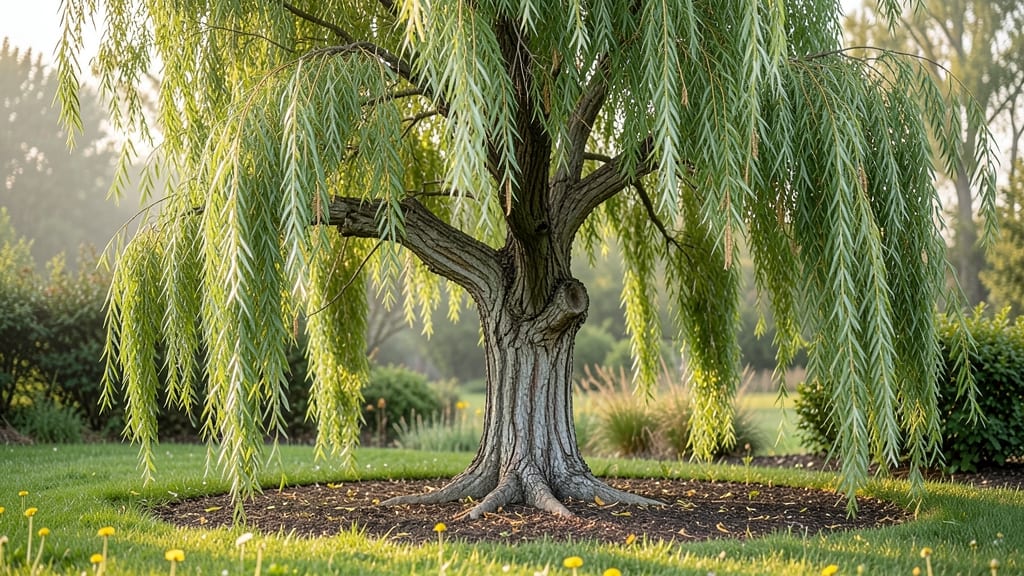
A weeping willow tree’s size can turn a dreamy landscape into a space-crunching nightmare if you don’t plan ahead—some varieties stretch 50 feet tall with roots spreading 30 feet beyond their canopy.
Picture this: You plant a delicate-looking 🌳 near your patio, only to realize years later it’s blocking sunlight and threatening your foundation. That’s why knowing the exact size—height, spread, and growth rate—isn’t just helpful, it’s essential before you dig that first hole.
Not all weeping willows are giants, though. Some stay under 15 feet, making them perfect for smaller yards or containers. The key? Choosing the right variety for your space—and understanding how fast they grow so you can prune or relocate before it’s too late.
In this guide, I’ll break down the mature sizes of the most popular weeping willow varieties, how their roots behave (and what to avoid planting nearby), and the 3 best compact options if you love the look but need to keep it manageable.

Weeping willow tree size by variety: mature heights & growth rates
Choosing the right weeping willow variety depends entirely on your space and vision. Some varieties grow into towering giants while others remain manageable for smaller yards. The standard weeping willow typically reaches 30-50 feet tall with a 20-40 foot spread, but dwarf varieties can stay under 15 feet.
Understanding these differences helps you avoid costly mistakes like planting near septic systems or power lines.
Growth rates vary dramatically too. A young weeping willow can shoot up 3-6 feet per year in ideal conditions, meaning a 10-foot tree could reach 30 feet in just 5 years.
This rapid growth is why many gardeners opt for slower-growing varieties or plan their landscape around the tree's future size. Let's break down the most popular varieties to help you make the best choice for your property.
The 'Alba' variety is the most dramatic, often reaching 50 feet tall with a 40-foot spread—perfect for large estates or waterfront properties. Its rapid growth means it can create instant shade and privacy, but it requires significant space.
If you're working with a medium-sized yard, the 'Pendula' variety offers a balanced approach, growing to 30-40 feet tall while maintaining a slightly narrower spread.
For urban gardeners or those with limited space, the 'Trichophora' variety is an excellent compromise. It stays between 20-30 feet tall and grows at a more moderate pace of 2-4 feet per year.
This makes it ideal for smaller ponds or as a focal point in a backyard without overwhelming the landscape. The 10-year projection for this variety shows it reaching 20-25 feet tall, making it manageable even in tight spaces.
If you're dreaming of a dwarf weeping willow, the 'Nana' variety is the smallest option, typically staying under 15 feet tall. This makes it perfect for containers, patios, or small gardens where space is at a premium
Root spread limits: how far weeping willow roots extend & what to avoid
Weeping willow trees are known for their dramatic, cascading branches, but their aggressive root systems often surprise homeowners. While the canopy might stay within your yard, the roots can extend 30-50 feet beyond the tree's dripline, posing risks to structures and neighboring plants.
Understanding these limits is crucial before planting near foundations, septic systems, or property lines.
Unlike many trees with deep taproots, weeping willows develop shallow, widespread roots that spread horizontally near the surface. This makes them particularly invasive, capable of lifting sidewalks, damaging pipes, and even invading neighboring properties.
The root spread can be 2-3 times wider than the tree's mature canopy, so a 30-foot-wide tree could have roots reaching 60 feet outward.
⚠️ Critical Warning: Weeping Willow Root Damage
These roots can crack foundations, clog septic systems, and invade neighboring yards. Always check local property laws before planting near boundaries. Consider root barriers (buried 30" deep) if planting near structures.
Weeping willows prioritize water and nutrient access, which is why their roots spread so aggressively. They'll seek out moisture, often growing toward underground water sources like septic drain fields or irrigation lines.
This makes them particularly problematic near these utilities. Even a small sapling can send out roots that will eventually cause structural damage to driveways and walkways.
If you're concerned about property line disputes, consult your local municipal codes—many areas have regulations about planting trees near boundaries. Some cities require setback distances of 50+ feet for large trees like weeping willows.
Always verify before planting, as roots can cross property lines without permission and create legal complications.
For homeowners with limited space or existing structures, consider dwarf varieties like 'Nana' or 'Peking Willow', which have contained root systems (though still extensive). Alternatively, plant your weeping willow in a large pond or water feature, where its roots can spread naturally without causing damage to your landscape.
Regular monitoring is essential—watch for cracks in foundations, uneven sidewalks, or sudden drainage issues as signs of invasive root growth. If you already have a weeping willow, consider installing root barriers or underground irrigation to redirect its growth away from sensitive areas.
The earlier you act, the easier it is to manage.