
Trees
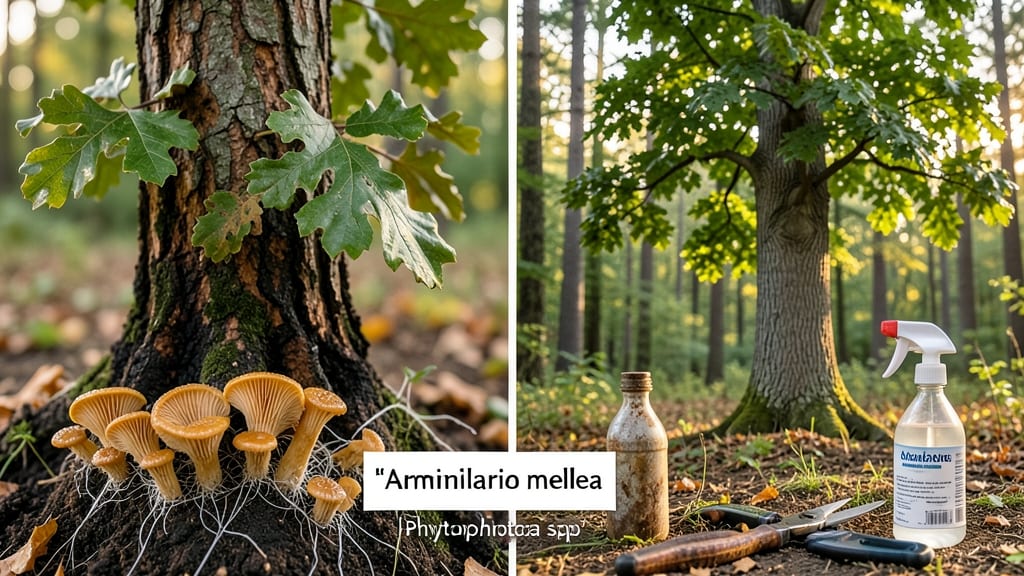
Tree infection fungus can turn your backyard oasis into a sad, leaf-strewn graveyard if you ignore those first weird brown spots. 🌳 I’ve seen healthy oaks crumble from root rot and maples lose entire branches to powdery mildew—all because the symptoms went unnoticed until it was too late.
The good news? Catching fungus early means you can often save your tree with simple, organic fixes before it’s too late.
Most fungal infections start with stress—too much water, poor soil, or weak branches from bad pruning. Anthracnose shows up as dark, sunken spots on leaves, while root rot turns the bark mushy at the base.
Powdery mildew coats branches in a white, flour-like dust, and if you scratch it, you’ll see the damage underneath. The key is acting fast: once the fungus spreads, even organic treatments get harder to control.
You’ll learn to prune correctly (cutting at the right angle to prevent new infections), use soil amendments like compost to boost tree health, and apply organic fungicides—like neem oil or copper spray—that stop the spread without harming your yard.
Within weeks, you’ll see new growth where there was only decay, and your tree will start looking strong again.
This works for common backyard trees like oaks, maples, and fruit trees, but even tricky species like willows or pines can recover if you catch the problem early.
The secret? Checking your trees every few weeks, especially after rain or drought. Let’s turn that fungal threat into a fixable problem—before it’s too late.
Root Causes Of Fungal Spread
Fungal infections in trees aren’t random—they thrive when specific conditions align. Understanding these triggers helps you spot risks early and intervene before damage spreads. Below, we break down the key factors that turn trees into fungal hotspots, from environmental stress to human habits.
Healthy trees resist fungal invaders like a fortress with guards. But when their defenses weaken, pathogens exploit the opening. Here’s why trees become vulnerable:
- Nutrient Deficiencies
Trees low in nitrogen, phosphorus, or potassium struggle to produce resin and antifungal compounds. For example, Armillaria root rot (a deadly fungus) targets stressed oaks by breaking down their cell walls—something a well-fed tree could repel.
- Pests & Insect Damage
Bark beetles, borers, and sap-sucking insects create entry points. The Dutch elm disease fungus (Ophiostoma novo-ulmi) spreads through wounds left by bark beetles, turning a tree’s vascular system into a fungal superhighway.
- Physical Injury
Broken branches, root damage from construction, or even lawnmower wounds on trunks provide direct access. Canker diseases (like Valsa canker) enter through these gaps, forming sunken, oozing lesions.
💡 Pro Tip: Prune trees in dry weather (not rainy seasons) to minimize open wounds. Seal larger cuts with pruning paint (though research shows this is debated—clean cuts heal faster than sealed ones in many cases).
Fungi are opportunists—they need the right weather to germinate and spread. These factors turn your yard into a fungal breeding ground:
| Factor | How It Helps Fungi | Actionable Fix |
|---|---|---|
| High Humidity | Spores thrive in 90%+ humidity. Powdery mildew and anthracnose spread explosively when leaves stay damp for >24 hours. | Improve airflow with proper spacing between trees. Use drip irrigation (not overhead sprinklers) to keep foliage dry. |
| Poor Drainage | Waterlogged soil (like after heavy rain or compacted clay) creates anaerobic zones where root rot fungi (e.g., Phytophthora) flourish. | Test soil drainage—amend with compost or sand. Plant trees in mounds if your soil is clay-heavy. |
| Warm, Stagnant Air | Fungal spores germinate faster at 70–85°F (21–29°C). Dense canopies trap heat and moisture, perfect for sooty mold (which grows on honeydew from aphids). | Thin overcrowded branches to increase sunlight and reduce heat pockets. |
🌡️ Key Insight: Most fungal outbreaks peak in late spring to early fall—the "golden window" for spores. Monitor trees during these months.
Even well-meaning actions can introduce or spread fungal infections. Here’s how:
- Contaminated Tools
Pruners, saws, or even gloves can carry fungal spores from infected to healthy trees. Cytospora canker spreads this way, turning maple and pine trees into blackened, oozing stumps.
- Improper Mulching
Piling mulch against tree trunks (the "volcano mulch" method) traps moisture, inviting Armillaria and Heterobasidion (a wood-decay fungus). The ideal distance? 2–4 inches from the trunk.
- Wildlife & Compost
Deer, rabbits, and even birds can scratch bark or drop infected leaves near tree bases. Compost piles with diseased plant debris can also harbor spores—keep them 6+ feet from trees.
- Over-Fertilizing
Too much nitrogen (common in synthetic fertilizers) softens tree tissue, making it easier for fungi like Phytophthora to penetrate roots.
✨ Prevention Hack: Disinfect tools with 70% isopropyl alcohol or a 10% bleach solution (1 part bleach to 9 parts water) between cuts. For mulch, use wood chips (not cedar or pressure-treated wood, which can harbor fungi).
🔍 Remember: Most fungal infections start small—yellowing leaves, odd spots, or sawdust-like frass (insect droppings) are early warnings. The sooner you address the root cause, the better the tree’s odds of recovery.
How to Treat and Prevent Tree Fungus
Fungal infections in trees can be devastating, but early action and organic solutions can save your trees—without harsh chemicals. Below, we break down practical fixes for common fungal issues, paired with preventive strategies to keep your trees healthy long-term.
1. 🍄 Powdery Mildew: The Fluffy White Threat
Signs: White, powdery patches on leaves (especially undersides). Causes: High humidity, poor airflow, or overcrowded trees.
How to Treat It:
- 🔥 Prune for airflow: Trim dense branches to improve air circulation.
- 🍳 Baking soda spray: Mix 1 tsp baking soda + 1 tbsp horticultural oil + 1 quart water + a drop of soap (as a surfactant). Spray leaves every 7–10 days until symptoms fade.
- 🌡️ Reduce moisture: Water trees early in the day so leaves dry quickly. Avoid overhead sprinklers.
Prevention Tips: ✔ Space trees properly (6–10 ft apart for most species). ✔ Choose resistant varieties (e.g., lilacs, serviceberry). ✔ Mulch correctly—keep mulch 3–4 inches deep and 6 inches away from the trunk.
2. 🍂 Anthracnose: The Leaf Blight
Signs: Dark, sunken spots on leaves; premature leaf drop. Causes: Wet spring weather, weak tree health, or poor sanitation.
How to Treat It:
- 👨🍳 Clean up debris: Remove and destroy fallen leaves (do not compost them).
- 🥘 Neem oil spray: Apply 2–3 times, 7–10 days apart, using 1 tbsp neem oil + 1 tsp soap per gallon of water.
- ⏰ Prune infected branches: Cut out severely damaged limbs in late winter/early spring (before spores spread).
Prevention Tips: ✔ Improve drainage—avoid planting in low-lying areas where water pools. ✔ Water at the base (not overhead) to keep foliage dry. ✔ Boost tree health with organic fertilizer (like compost or fish emulsion) in early spring.
3. 🪓 Root Rot: The Silent Killer
Signs: Mushrooms at the base, wilting leaves, soft/brown bark near soil. Causes: Overwatering, compacted soil, or poor drainage.
How to Treat It:
- 🔪 Stop watering immediately—let the soil dry out.
- 🌱 Aerate the soil: Use a soil probe or manual aerator to break up compacted areas.
- 💡 Install drainage: Add gravel or sand around the root zone, or rench trenches to redirect water.
- 🍄 Beneficial fungi: Apply mycorrhizal fungi (available as powder or granules) to help roots recover.
Prevention Tips: ✔ Test your soil—aim for well-draining mixes (amend clay soil with compost/sand). ✔ Mulch properly—use wood chips (not rocks) but keep it away from the trunk. ✔ Avoid overwatering—stick your finger 2 inches into soil; water only if dry.
4. 🍅 Canker Diseases: The Bark Busters
Signs: Sunken, oozing, or cracked areas on bark; dead branches. Causes: Wounds from pruning, storms, or pests; spread by rain/splash.
How to Treat It:
- 🔪 Prune infected branches 6 inches below the canker (sterilize tools with rubbing alcohol).
- 🥘 Copper fungicide spray: Use organic copper-based sprays (like Copper Soap) every 2–3 weeks during wet seasons.
- 🌡️ Seal wounds: Apply pruning sealant (organic, like tree pitch) to fresh cuts.
Prevention Tips: ✔ Prune in dry weather—avoid cutting when rain is forecasted. ✔ Keep trees healthy with balanced fertilization (too much nitrogen weakens defenses). ✔ Inspect trees annually—catch cankers early before they spread.
No matter the fungus, these proactive steps reduce risks:
- 🌿 Improve airflow—thin out dense branches.
- 💧 Water wisely—deep and infrequent (early morning is best).
- 🧹 Clean up fallen leaves/debris—fungi love old plant matter!
- 🌱 Boost tree health—mulch, fertilize (organically), and avoid soil compaction.
- 🔍 Monitor regularly—check for new spots, wilting, or unusual growth every few weeks.
💡 Pro Tip: When in doubt, consult a certified arborist—some fungi (like Armillaria root rot) require professional intervention. But with early action and organic care, most tree fungal issues are 100% preventable!
Frequently asked questions
Can I use household vinegar to treat tree fungus?
Vinegar can help in small doses as a natural fungicide, but it's not a complete solution. Mix 1 part white vinegar with 3 parts water and spray on affected areas—it disrupts fungal spores. However, vinegar's acidity can harm tree bark over time, so use it sparingly and only on leaves. For bark infections, opt for neem oil or copper fungicide instead.
How do I know if my tree's fungus is spreading or under control?
Watch for these signs: new spots on leaves/bark mean the fungus is active, while fresh green growth shows recovery. Also check for mushrooms at the base (root rot) or white powder on leaves (mildew). If symptoms worsen after 2 weeks of treatment, you may need stronger organic fungicides or professional help.
Is it safe to compost leaves from trees with fungus?
Never compost leaves showing active fungal symptoms like dark spots or white powder. These spores can survive composting and reinfect your yard. Instead, bag and dispose of infected leaves in yard waste. Only compost healthy leaves—fungus-free trees won't spread pathogens through decomposition.
Why does my tree keep getting fungus even after treatment?
Persistent infections often mean underlying stress—check for poor drainage, nutrient deficiencies, or pest damage. Fungi thrive when trees are weak. Improve soil with compost, adjust watering, and prune to improve airflow. If problems continue, test your soil pH (6.0-7.0 is ideal for most trees) and consider mycorrhizal fungi to boost root health.
Can I save a tree with advanced root rot?
Early root rot is often treatable, but advanced cases may require removal. Look for mushrooms at the base or soft, brown bark—these are red flags. For salvageable trees, reduce watering, aerate compacted soil, and apply mycorrhizal treatments. If the tree leans or has large dead sections, consult an arborist immediately—they can assess structural safety.