
Pruning
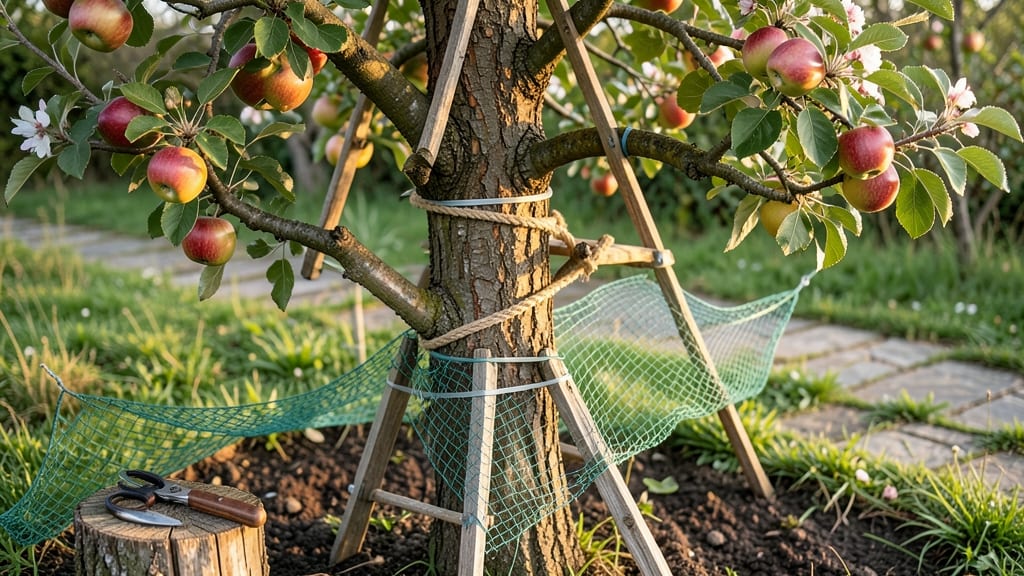
Weak branches don’t just look bad—they’re a storm waiting to happen. 🌳 I’ve seen trees go from sturdy giants to tangled messes overnight, and the difference always comes down to how you prune and support them.
It’s not just about cutting back; it’s about redirecting growth so the tree stays strong for decades.
The right tools make all the difference. You’ll need sharp pruners, sturdy tree ties or cables, and a sturdy support stake—no cheap hardware here.
I’ve learned that skipping proper support after pruning is like cutting a muscle without rehab: the tree compensates poorly, and weak spots form faster than you’d think. Start with branches that are 20-30% the diameter of the trunk or larger, and work your way down.
What you’ll end up with is a tree that stands tall without sagging limbs or sudden breaks. The branches grow stronger over time, and the tree’s natural shape stays intact—no awkward crutches or unnatural angles.
You’ll notice the difference in just a few growing seasons, especially after heavy winds or snow.
This works for young trees, storm-damaged limbs, and even mature branches that need reinforcement. The key is timing: prune when the tree is dormant, but install supports before the next growing season kicks in. Let’s get those branches back in shape.
📚 In This Guide
- What you need
- Instructions
- Tips and common mistakes
- Wrapping up and next steps
What you need
- ● Tree supports (branching props): 3–5 adjustable tree branch supports (e.g., blank">tree forks or blank">branching crutches), sized to match your tree’s trunk diameter.
- ● Pruning tools: 1 bypass pruners (for small branches, 6–8" blades)
- ● 1 loppers (for medium branches, 18–24" reach)
- ● 1 pruning saw (for thick branches, 8–10" blade)
- ● Safety gear: 1 pair cut-resistant gloves (ANSI-rated)
- ○ 1 hard hat (optional but recommended)
- ● 1 safety goggles (for debris protection)
- ● Tree ties: 5–10 soft tree straps (3/4"–1" wide) for securing branches to supports.
- ● Ladder or lift: A sturdy extension ladder (20–30 ft) or cherry picker for hard-to-reach branches.
- ● Sealant: Pruning sealant (for large cuts, 8 oz bottle) to prevent disease.
- ● Cleaning supplies: Rubbing alcohol (for sterilizing tools) + old towels.
- ● Check local tree ordinances—some areas require permits for pruning.
- ● Know your tree species! Research branch weight limits and growth habits to avoid overloading supports.
- ● Schedule pruning on a dry, calm day—never work in wet or windy conditions!
How to support tree branches for stronger structural growth
Here’s how I reinforce young trees and damaged branches—techniques that prevent splits and encourage healthy growth.
🌱 Step 1: Identify Branches Needing Support
Start by examining your tree for branches that bend under their own weight or show signs of stress—like peeling bark or cracks. Focus on branches wider than one-third the trunk’s diameter or those growing at sharp angles (over 45 degrees). These are most vulnerable to splitting during storms or heavy fruit loads.
Run your hand along the branch’s base to feel for weak attachment points. A branch that wobbles when gently shaken needs immediate support. I always check after windstorms or when fruit sets heavily, as weight shifts can create hidden stress points.
🪴 Step 2: Install Proper Support Structures
For small branches (under 2 inches thick), use tree ties or soft fabric strips wrapped around the branch and trunk at a 45-degree angle. Avoid metal or wire—it can cut into the bark as the tree grows. I prefer polyester tree ties because they stretch slightly with the tree’s movement without restricting growth.
Larger branches (2+ inches thick) need stakes or spreaders. Drive a wooden stake into the ground at a 45-degree angle away from the branch, then secure the branch to it with a wide, padded strap. Never tie directly to the stake—always use a cushioning material like rubber or foam to prevent abrasions.
✂️ Step 3: Prune for Balance and Weight Distribution
Remove any dead, diseased, or crossing branches first—they’re the weakest links. Use clean, sharp pruning shears to make cuts just outside the branch collar (the swollen area where the branch meets the trunk). Avoid leaving stubs, as they invite rot and weaken the branch’s structure.
Thin out crowded branches to improve airflow and reduce weight. I aim for a balanced canopy where no single branch carries more than 20% of the tree’s total weight. For fruit trees, prune after harvest to redistribute the load before next season’s growth.
☀️ Step 4: Monitor and Adjust Support Over Time
Check supports every 6-8 weeks during the growing season. Trees grow faster than you think, and ties that fit snugly in spring may strangle the branch by summer. Replace any that dig into the bark or show signs of wear.
If a branch still sags despite support, it may need additional stakes or a temporary prop. For severe cases, consult an arborist—some trees benefit from cabling systems to redistribute weight. I’ve seen branches that looked hopeless recover beautifully with consistent care.
⏰ Step 5: Remove Supports at the Right Time
Leave supports on until the branch is fully hardened (usually by late summer). Remove them gradually—start by loosening ties before cutting them completely. Sudden removal can cause shock, especially in young trees.
After removing supports, inspect the branch for any scars or damage from the ties. If the bark looks bruised, apply a wound dressing (like tree sealant) to protect it. I’ve found that trees left with supports too long often develop weak attachment points, so timing matters.
Tips & tricks for supporting tree branches
These practical insights will help you reinforce branches like a seasoned arborist—without the guesswork.
Visual Inspection Matters: In Step 1, don't rely solely on visuals—use your hands! Gently shake branches to test their stability. I learned this the hard way after missing a weak attachment point that snapped during a storm. Look for subtle signs like bark peeling or cracks that aren't immediately obvious from a distance.
Material Selection is Critical: When choosing supports in Step 2, polyester tree ties are my go-to for small branches because they stretch with growth. For larger branches, I've found that wooden stakes work better than metal—they don't conduct heat that can damage bark during temperature swings. The 45-degree angle mentioned is key for proper weight distribution.
Pruning Precision: In Step 3, when thinning branches, make your cuts just outside the branch collar—this is where the tree's natural healing begins. I've seen too many pruning jobs go wrong because people cut too close or leave stubs. Remember, the goal is to maintain that 20% weight balance while improving airflow through the canopy.
Monitoring Strategy: The 6-8 week check-ins in Step 4 are non-negotiable. I schedule reminders on my phone because trees grow faster than most people realize. If you notice ties digging into bark during these checks, replace them immediately—even minor damage can invite pests or disease. For stubborn branches, consider adding a second stake at a different angle.
Pro Tips for Support Tree Branches
- These practical insights will help you reinforce branches like a seasoned arborist—without the guesswork.
- Visual Inspection Matters: In Step 1, don't rely solely on visuals—use your hands! Gently shake branches to test thei...
- Material Selection is Critical: When choosing supports in Step 2, polyester tree ties are my go-to for small branches...
Frequently asked questions
Got questions about keeping your tree branches strong and healthy? Here are some of the most common inquiries—and their answers—to help you support your trees like a pro!
When is the best time to prune branches for structural support?
The ideal time is late winter to early spring (before buds swell) or summer after leaf drop. Avoid heavy pruning in fall, as it can stress trees before winter. For young trees, prune during dormancy to shape growth while minimizing damage. Always check your tree’s species—some, like oaks, need extra caution to prevent disease.
What tools do I need to support weak or damaged branches safely?
Start with bypass pruners for small branches and a pruning saw for thicker limbs. For heavy branches, use tree supports (cable-and-pulley systems) or spreaders to distribute weight. Don’t forget gloves, safety goggles, and a sturdy ladder—safety first! If a branch is over 3 inches thick, consider hiring a pro.
How do I tell if a branch needs support or should be removed entirely?
Look for signs of weakness: dead wood, cracks, or branches growing at sharp angles (<45°). If a branch is too heavy or rubbing against others, it’s a candidate for removal. For structural support, prune to reduce weight or thin the canopy—never remove more than 25% of the foliage at once.
How long does it take for a tree to recover after pruning for support?
Most trees heal within 1–3 years, depending on size and species. New growth should appear in spring/summer. To speed recovery, water deeply after pruning and avoid fertilizing for 6–8 weeks. If you see excessive dieback or oozing sap, you may have over-pruned—consult an arborist.
Are there alternatives to traditional pruning for supporting weak branches?
Yes! Try cabling/bracing for large limbs, thinning cuts (removing entire branches at the collar) to reduce weight, or topping (last resort!)—though this can harm long-term health. For young trees, staking can provide temporary support. Always prioritize natural shape over aggressive shaping.
What should I do if a branch breaks during pruning?
Stay calm! If the branch is small and manageable, remove it safely with clean cuts. For large or heavy branches, call a professional—never attempt to climb or handle them alone. After removal, disinfect tools and monitor the tree for signs of stress (yellowing leaves, fungal growth).
Wrapping up and next steps
Supporting your tree branches isn’t just about aesthetics—it’s about safety, health, and longevity. 🌳 By mastering proper pruning techniques, you’re giving your trees the best chance to thrive while preventing costly damage. Whether you’re a seasoned gardener or just starting, every cut counts!
Ready to take action? Start small—inspect your trees this weekend and identify branches in need of support or pruning. If the task feels overwhelming, consider consulting a local arborist for a pro assessment. Your trees (and future self!) will thank you.