
Pruning
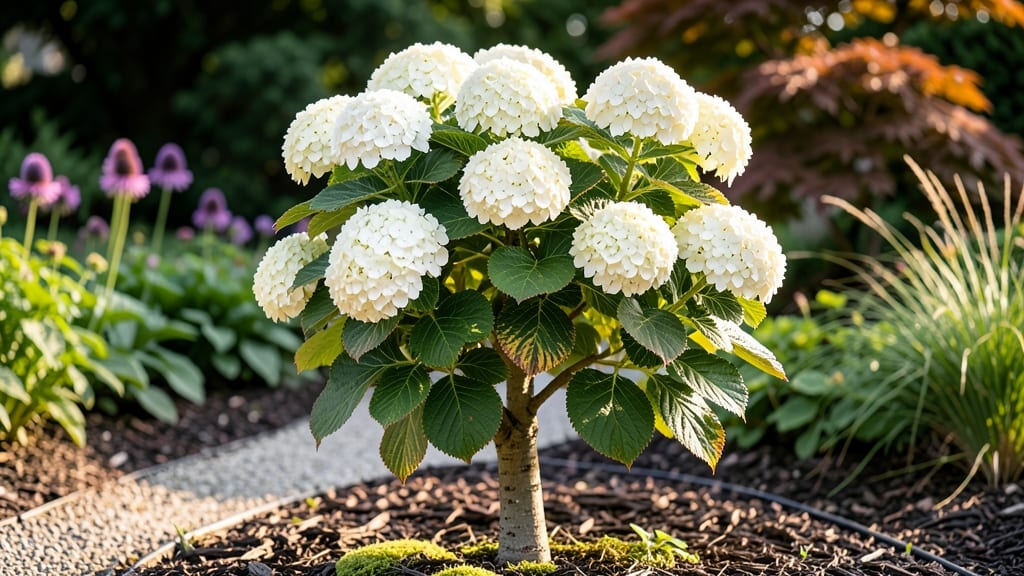
Transforming your hydrangea into a strawberry vanilla tree form creates a fragrant centerpiece that steals the show all season. 🌿 The secret lies in strategic pruning—selecting one strong central stem and shaping the branches into tiers, like a living sculpture.
I’ve shaped mine into a graceful 6-foot focal point that blooms from early summer through fall, with that signature vanilla-scented perfume wafting through the garden.
This isn’t about drastic cuts—just intentional shaping during late winter or early spring. Start by removing weaker stems, then guide the remaining branches into horizontal layers, like the rungs of a ladder.
The result? A lush, multi-level canopy that frames your garden like a natural chandelier. My neighbors now ask how I “built” it—spoiler: it’s all about patience and a sharp pair of pruners.
By summer, you’ll have a fragrant, architectural masterpiece that draws pollinators and complements everything from cottage-style borders to modern minimalist designs. The vanilla-scented blooms pair beautifully with lavender, roses, or even a crisp white gazebo. Plus, the evergreen foliage adds winter interest—no dead branches here.
Works in full sun to partial shade, making it versatile for almost any garden spot. The key? Prune annually to maintain the shape, and watch as your hydrangea becomes the showstopper everyone admires. Ready to turn heads with this fragrant tree form?
📚 In This Guide
- What you need
- Instructions
- Tips and common mistakes
- Wrapping up and next steps
What you need
- ● Strawberry Vanilla Hydrangea (Hydrangea macrophylla 'Strawberry Vanilla') 1 mature plant (3–5 years old, 3–5 ft tall) for best results
- ● OR 3–5 young plants (1–2 ft tall) if starting from scratch
- ● Pruning Shears 1 pair of bypass pruners (sharp, clean, and sterilized to prevent disease)
- ○ Optional: Loppers for thicker branches (if needed)
- ● Gloves 1 pair of gardening gloves (cut-resistant for protection)
- ● Pruning Sealant 1 small bottle (e.g., Tree Seal or Pruning Wax) to coat cuts
- ● Support Stakes or Trellis 3–5 bamboo stakes (5–6 ft tall) or a lightweight trellis for shaping
- ● Soft Garden Twine 1 small spool (for securing branches to stakes)
- ● Fertilizer 1 balanced, acid-loving plant fertilizer (e.g., Miracle-Gro Azalea/Camellia)
- ● Mulch 2–3 bags of pine bark or wood chips (to retain moisture and acidity)
- ● Plant Ties 5–10 velcro or fabric plant ties (gentler than twine)
- ● Spray Bottle with Water 1 small bottle for misting cuts (helps with sealing)
Step-by-Step instructions for crafting a strawberry vanilla hydrangea tree form
Transform your hydrangea into a fragrant, layered masterpiece with this aromatic tree form technique.
🌿 Step 1: Select and Prune Your Hydrangea Base
Begin with a healthy, mature hydrangea plant—macrophylla varieties work best for this form. Choose a central leader stem and remove all side branches up to 18 inches from the ground, leaving only a few small buds at each pruning point. This creates your future trunk. I always use clean, sharp pruners to avoid tearing stems, which invites disease.
Next, select 4-6 strong lateral branches emerging from the main stem. These will become your primary "layers" or tiers. Trim each lateral branch back to 6-8 inches from the main stem, cutting just above a outward-facing bud. This encourages fuller branching later. The goal is to create a balanced, symmetrical foundation—think of it like building a tree frame.
🌱 Step 2: Train the Trunk and First Layer
Tie the central leader stem upright using soft plant ties or garden twine, securing it to a sturdy stake. This keeps your future trunk straight and strong. For the first layer, select the topmost lateral branch and bend it gently downward, securing it horizontally with another tie at a 12-inch radius from the trunk. This creates your first tier.
Here's the thing—hydrangeas are flexible when young. If a branch resists bending, don't force it. Instead, gradually work it into position over 3-5 days, adjusting the tie daily. Water the base thoroughly after positioning to reduce stress. You'll see new growth emerging from the cut buds within 4-6 weeks, signaling your first layer is taking shape.
✂️ Step 3: Develop the Floral Layers with Strategic Pruning
Once your first layer establishes 4-6 new shoots, it's time to shape the second tier. Choose the next strongest lateral branch and repeat the bending process, positioning it 6 inches below the first layer. This creates your second floral layer. The key is spacing—each subsequent layer should sit 4-6 inches apart vertically to allow airflow and light penetration.
During this phase, I remove any competing vertical growth that threatens the tree form. Snip off any shoots growing upward from the layers, focusing energy on horizontal branching. You'll know you're on the right track when you see new buds forming along the bent branches—these will become your fragrant blooms. Apply a balanced fertilizer (10-10-10) at this stage to support vigorous growth.
☀️ Step 4: Maintain Light and Fragrance Through Seasonal Care
Position your hydrangea tree form in partial shade—4-6 hours of morning sun followed by afternoon shade prevents leaf scorch while maintaining vibrant blooms. Hydrangeas thrive in well-draining, acidic soil (pH 5.2-6.2). I test my soil annually and amend with sulfur or aluminum sulfate if needed, as this directly affects flower color intensity and fragrance.
Water deeply 2-3 times per week, keeping the root zone consistently moist but never soggy. The secret to that signature strawberry-vanilla fragrance? Regular foliar feeding with a seaweed-based fertilizer. Spray the leaves monthly during bloom season—this boosts essential oil production. You'll notice the scent intensifies as flowers mature, especially on warm evenings.
🌸 Step 5: Refine and Preserve the Tree Form Annually
In early spring, before new growth appears, perform light maintenance pruning. Remove any dead or crossing branches, and trim back the previous season's growth by 1/3 to encourage fresh, fragrant blooms. I also check my ties and replace any that have degraded over winter—nothing ruins a tree form faster than a snapped branch.
For year-round elegance, add ornamental grasses or ivy at the base to soften the trunk. Mulch with 2-3 inches of pine bark to conserve moisture and acidify the soil gradually. The result? A living sculpture that smells like a summer garden and stays lush through all four seasons. Real talk: your neighbors will ask how you did it—keep the secret close!
Tips & tricks for perfect strawberry vanilla hydrangea tree forms
Creating a fragrant hydrangea tree form is equal parts art and science—here's how to elevate your garden masterpiece.
Pruning Precision: When selecting your 4-6 lateral branches in Step 1, prioritize branches that emerge at a 45-degree angle from the main stem. These naturally lend themselves to horizontal growth, making them ideal candidates for your floral layers. I always make my cuts just above an outward-facing bud—this ensures the new growth will branch outward rather than upward, which could disrupt your tree form structure. The 6-8 inch length you trim to is perfect because it gives you enough working length to shape without overwhelming the plant.
Gradual Bending Technique: That 3-5 day adjustment period in Step 2 isn't just a suggestion—it's crucial for preventing branch breakage. I've learned this the hard way after snapping branches trying to force them into position too quickly. Start by bending the branch just 10-15 degrees from its natural position, then tighten the tie slightly each day. Think of it like stretching—you want to condition the branch gradually. After 3-5 days, most branches will hold their new position naturally, and you'll see new growth emerging from the cut buds within that 4-6 week window mentioned in the instructions.
Layer Spacing Science: The 4-6 inch vertical spacing between layers in Step 3 isn't arbitrary—it creates the perfect balance between visual appeal and practical growing conditions. This spacing allows for adequate air circulation, which prevents fungal diseases while still maintaining that lush, layered look. I've found that when layers are too close together, the center branches can become shaded and produce fewer blooms. For the first few years, you might not get full coverage at each layer, but be patient—the branches will fill in over time, especially with that 10-10-10 fertilizer boost mentioned in the instructions.
Fragrance Enhancement: To intensify that signature strawberry-vanilla aroma during the bloom season, I've discovered a simple trick: add a few drops of vanilla extract to your monthly foliar feeding solution. The combination of the seaweed-based fertilizer and vanilla creates a synergistic effect that enhances the plant's natural essential oil production. You'll notice the scent becomes particularly strong on warm evenings when the flowers release their fragrance most actively. This works especially well when you position your tree form in that partial shade with 4-6 hours of morning sun as specified in Step 4.
Pro Tips for Strawberry Vanilla Hydrangea Tree Form
- Creating a fragrant hydrangea tree form is equal parts art and science—here's how to elevate your garden masterpiece.
- Pruning Precision: When selecting your 4-6 lateral branches in Step 1, prioritize branches that emerge at a 45-degree angle from the main stem.
- Gradual Bending Technique: That 3-5 day adjustment period in Step 2 isn't just a suggestion—it's crucial for preventing branch breakage.
Frequently asked questions
How fast does the Strawberry Vanilla Hydrangea Tree Form grow?
The Strawberry Vanilla Hydrangea Tree Form grows at a moderate rate, typically adding 12–24 inches per year under ideal conditions. With proper pruning and care, it can reach 6–8 feet tall and wide within 3–5 years. Patience pays off—its lush layers and intoxicating scent are worth the wait!
When is the best time to prune this hydrangea?
Prune your Strawberry Vanilla right after flowering (late summer to early fall) to shape it and encourage next year’s blooms. Avoid heavy pruning in early spring, as it blooms on old wood. For tree forms, focus on removing dead wood and thinning interior branches to improve airflow.
Why aren’t my hydrangea blooms as fragrant as expected?
Several factors can dull the scent: overcrowded branches (prune to improve airflow), poor soil drainage (amend with compost), or lack of sunlight (aim for 6+ hours of sun). Also, Strawberry Vanilla blooms are most fragrant in morning sunlight—plant near patios or seating areas to enjoy the full aroma!
Is this hydrangea drought-tolerant, or does it need frequent watering?
While established Strawberry Vanilla hydrangeas are moderately drought-tolerant, they thrive with consistent moisture, especially during the first year. Water deeply 1–2 times per week (more in extreme heat) and mulch to retain soil moisture. Yellowing leaves often signal underwatering or overwatering—check soil moisture before reacting!
Can I grow this hydrangea in a container, or is it best in the ground?
Yes! The Tree Form adapts well to large containers (18+ inches wide) with drainage holes, but it may need annual repotting as it grows. Use a well-draining potting mix and fertilize regularly. However, for long-term health and fragrance, in-ground planting is ideal—its roots love to spread!
What pests or diseases should I watch for?
Keep an eye out for aphids, spider mites, and scale insects, which can stress your hydrangea. Treat with neem oil or insecticidal soap if needed. Powdery mildew (white fungal spots) may appear in humid conditions—prune for airflow and apply fungicide if necessary. Root rot is rare but possible in soggy soil—ensure proper drainage!
Wrapping up and next steps
Transforming your hydrangea into a fragrant strawberry vanilla hydrangea tree form is a rewarding project that blends creativity with nature’s beauty. With the right tools, patience, and a dash of pruning know-how, you’ll create a stunning, year-round centerpiece that fills your garden with sweet aromas. 🌸✨
Ready to take the next step? Start by observing your hydrangea’s growth and planning your design—whether it’s a cascading masterpiece or a structured tree form. Then, gather your supplies and begin shaping with confidence. Your garden (and future visitors!) will thank you for the effort.
Happy pruning—your fragrant floral art awaits! 🌿💖