
Blooming
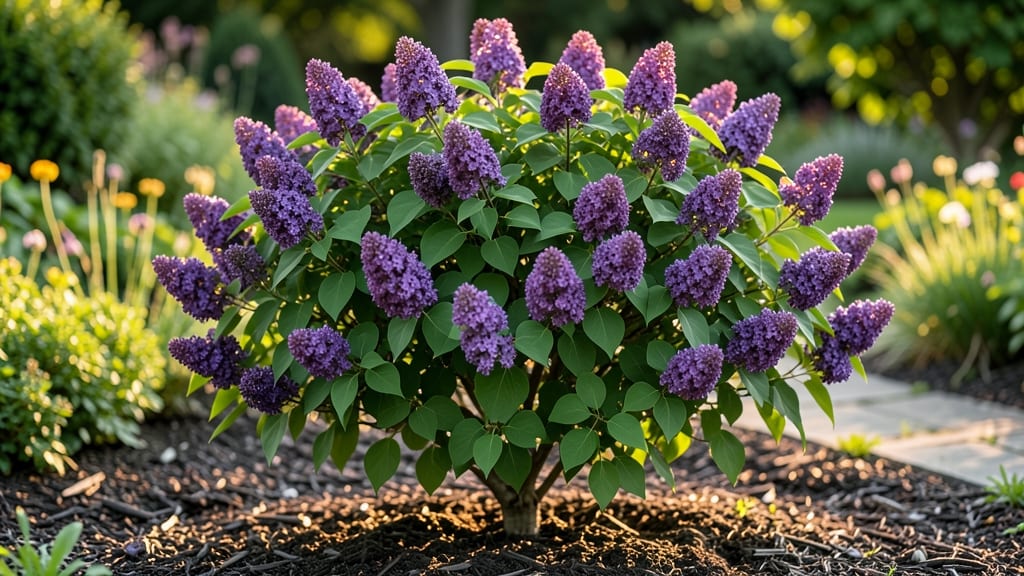
Nothing transforms a garden quite like the Bloomerang Dark Purple lilac tree form bursting into fragrant clouds of velvety petals each spring. 🌸 I’ll never forget the first time I planted one—it became the centerpiece of my small backyard, drawing neighbors to pause and admire its dramatic, upright form and intoxicating scent.
This lilac isn’t just pretty; it’s a design powerhouse. Its compact, vase-like shape makes it perfect for tight spaces, while its deep purple blooms add drama to mixed borders or as a standalone focal point.
Pair it with silver foliage plants like lamb’s ear or delicate perennials like peonies to create a layered, romantic look that lasts all season. The best part? It blooms twice a year—once in spring and again in early summer—giving you two chances to enjoy its velvety petals.
With minimal pruning (just light shaping after blooming), it stays tidy and thriving, making it the easiest way to add year-round interest without the fuss. Whether you’re filling a corner, framing a patio, or adding height to a small garden, this lilac delivers effortless elegance.
Let’s talk placement ideas that make the most of its natural beauty.
📚 In This Guide
- What you need
- Instructions
- Tips and common mistakes
- Wrapping up and next steps
What you need
- ● Lilac Tree: Syringa meyeri 'Bloomerang Dark Purple' (bare-root or potted, 1-3 years old). 💡 Pro tip: Choose a healthy specimen with firm stems and vibrant buds!
- ● Planting Hole: Twice as wide and deep as the root ball (use a shovel or trenching tool).
- ● High-Quality Soil: Well-draining, slightly acidic to neutral soil (pH 6.0–7.0). Mix in 2–3 inches of compost or aged manure for nutrients.
- ● Mulch: 2–3 inches of organic mulch (e.g., shredded bark, wood chips) to retain moisture and suppress weeds.
- ● Watering Supplies: Garden hose with adjustable nozzle (for gentle watering).
- ○ Watering can (optional, for precision).
- ● Hand Trowel (for amending soil).
- ● Pruning Shears (sterilized, for shaping or cleanup).
- ● Garden Gloves (to protect hands from thorns or rough bark).
- ● Measuring Tape (to ensure proper spacing—10–15 feet apart for mature trees).
- ○ Stakes & Ties (optional, for young trees in windy areas).
- ● Fertilizer: Slow-release balanced fertilizer (10-10-10) or a lilac-specific formula (apply in early spring).
- ● Tree Guard: Plastic or metal collar to protect the trunk from mowers.
- ● Drip Irrigation System (for automated watering in dry climates).
- ● Pest/Disease Control: Copper fungicide (preventative) or neem oil (for aphids).
Step-by-Step guide to planting and caring for a Bloomerang dark purple lilac tree form
Here's how to bring home those fragrant purple clouds—with a few key secrets for thriving blooms.
🌱 Step 1: Choose the Perfect Planting Spot
Bloomerang lilacs need full sun—at least 6 hours daily—to produce their signature velvety blooms. I always look for a spot with morning sun and afternoon shade in hotter climates, as the leaves can scorch otherwise. The tree form grows 8-10 feet tall, so leave 10 feet of clearance in all directions for mature size.
Check your soil's drainage by digging a 12-inch hole—if water pools after 15 minutes, amend with compost or sand to improve airflow. Lilacs hate soggy roots, so this step prevents future rot. I test soil pH too; these beauties thrive in 6.0-7.0 range. If yours runs acidic, add lime before planting.
🪴 Step 2: Plant at the Right Depth and Stake for Support
Dig a hole twice as wide as the root ball but only 12 inches deep—any deeper and you'll bury the graft union, which weakens the tree. Gently remove the plant from its container and loosen roots that circle the root ball with your fingers. This encourages outward growth instead of root-bound stress.
Place the tree so the top of the root ball sits 1-2 inches above ground level. Backfill with native soil mixed with half the hole's volume of compost, tamping lightly every 2 inches to remove air pockets. Water deeply to settle the soil, then add a 4-foot stake tied with flexible fabric strips—just enough to prevent swaying, not to strangle the trunk.
☀️ Step 3: Water Deeply and Mulch for Moisture Retention
Water immediately after planting to help roots establish, then again 2-3 days later to keep soil evenly moist. The first year is critical—you'll see new leaves within 2-3 weeks if moisture is right. After that, water deeply once weekly during dry spells, aiming for 1 inch of water per week. Let the top 2 inches of soil dry between waterings to prevent fungal issues.
Spread 3 inches of mulch (wood chips or shredded bark) in a 3-foot radius around the base, keeping it 6 inches away from the trunk. This conserves moisture and suppresses weeds, but don't pile mulch against the stem—it traps moisture and invites rot. Refresh the mulch layer annually as it breaks down.
✂️ Step 4: Prune for Shape and Bloom Timing
Wait until late spring or early summer—after the first flush of blooms—to prune. Bloomerang lilacs flower on old wood, so cutting back now removes next year's buds. Remove any dead, crossing, or weak branches first, then shape by thinning out 1/3 of the oldest stems at the base. This encourages new growth and keeps the tree form compact.
I always prune just above a bud or branch collar—never leave stubs. The tree will send out new shoots from those buds, creating a fuller canopy. Avoid heavy pruning in fall or winter; the tree needs energy to heal before dormancy. After pruning, water deeply to help recovery.
⏰ Step 5: Feed and Protect for Long-Term Health
Apply a balanced 10-10-10 fertilizer in early spring (before buds swell) and again after mid-summer blooms. Use half the recommended rate—lilacs are light feeders and over-fertilizing leads to weak stems. I also add 1 cup of bone meal around the drip line in spring to boost phosphorus for root growth.
Watch for lilac borers—tiny holes in stems signal their presence. Treat early with neem oil or insecticidal soap. In fall, add 2-3 inches of compost around the base and mulch again. By winter, your tree should look healthy with dark green foliage and no signs of stress—ready to burst into purple clouds next spring.
Tips & tricks for perfect Bloomerang lilac tree planting
Here's what nobody tells you about getting those velvety blooms to thrive from day one.
Sunlight Strategy: The 6 hours of daily sun in Step 1 is non-negotiable for those signature purple blooms, but here's the secret: in hotter climates, I always position mine to catch morning sun and afternoon shade. This prevents leaf scorch while still giving them the light they crave. If your yard only gets 4-5 hours of direct sun, consider planting near a south-facing wall that reflects extra light.
Root Ball Rescue: When loosening those circling roots in Step 2, I use my fingers to gently tease them apart—never cut them. This might take 5-10 minutes but prevents root-bound stress that can stunt growth. Pro tip: If your root ball is particularly tight, soak it in water for 10-15 minutes before planting to help loosen the roots naturally.
Watering Wisdom: The first-year watering schedule in Step 3 is crucial, but here's what I've learned: those 2-3 weeks until new leaves appear can feel like forever! Track your progress by gently tugging on a small branch—if it resists, roots are establishing. After the first year, I water deeply but less frequently, letting the top 2 inches dry between waterings to prevent fungal issues. A moisture meter helps here—aim for 40-60% moisture at 2-inch depth.
Pruning Precision: Timing your prune in late spring/early summer (Step 4) is everything, but here's the visual cue I use: wait until about 25% of the blooms have fallen naturally. This ensures you're cutting back old wood after it's finished flowering. When thinning those 1/3 of oldest stems, I always look for stems that are thinner than a pencil—these are the ones to remove to encourage new growth.
Pro Tips for Bloomerang Dark Purple Lilac Tree Form
- Here's what nobody tells you about getting those velvety blooms to thrive from day one.
- Sunlight Strategy: The 6 hours of daily sun in Step 1 is non-negotiable for those signature purple blooms, but here's the secret: in hotter climates, I always position mine to catch morning sun and afternoon shade.
- Root Ball Rescue: When loosening those circling roots in Step 2, I use my fingers to gently tease them apart—never cut them.
Frequently asked questions
Got questions about the Bloomerang Dark Purple Lilac Tree Form? You’re not alone—this stunning cultivar sparks curiosity! Here are answers to the most common queries to help you grow with confidence.
How fast does the Bloomerang Dark Purple Lilac Tree grow?
The Bloomerang lilac grows at a moderate rate, typically adding 12–24 inches per year under ideal conditions. With proper care—sunlight, well-drained soil, and regular pruning—it can reach 10–15 feet tall within 5–7 years. Patience is key for that lush, tree-form silhouette!
When is the best time to plant a Bloomerang lilac?
Plant your Bloomerang Dark Purple in early spring or fall (4–6 weeks before the first frost). This timing lets roots establish before extreme heat or cold. Avoid planting in summer—heat stress can stunt growth. Pro tip: Water deeply after planting to reduce transplant shock!
Why isn’t my Bloomerang lilac blooming?
Lilacs need full sun (6+ hours/day) and mature roots to bloom. Common culprits:
- Too much shade → Move to sunnier spot.
- Over-fertilizing with nitrogen → Use balanced fertilizer (10-10-10).
- Young age → Tree-form lilacs may take 3–5 years to bloom fully.
- Late pruning → Prune right after flowering (never in fall/winter).
Can I grow the Bloomerang lilac in a container?
Yes! This compact tree-form works well in large containers (20+ gallons) with drainage holes. Use a fast-draining potting mix and repot every 2–3 years. Place it in full sun and water consistently—containers dry out faster. Bonus: Container-grown lilacs bloom earlier!
Are Bloomerang lilacs deer-resistant?
While not fully deer-proof, Bloomerang lilacs are less appealing than other varieties due to their woody stems and late blooming. Deer may nibble young shoots, but mature trees are usually safe. For extra protection, apply deer repellent or plant near deer-deterrent companions like lavender or boxwood.
What’s the difference between Bloomerang and other lilac types?
| Feature | Bloomerang Dark Purple | Traditional Lilacs |
|---|---|---|
| Form | Tree-like (upright, multi-stemmed) | Shrub (bushy, multi-stemmed) |
| Bloom Time | Late spring (May–June), reblooms lightly | Early spring (April), once per year |
| Fragrance | Strong, sweet lilac scent | Strong but may fade faster |
| Size | 10–15 ft tall, 8–10 ft wide | 6–12 ft tall, 6–10 ft wide |
Pro tip: Bloomerang’s tree form makes it perfect for small yards or urban gardens!
Wrapping up and next steps
The Bloomerang Dark Purple Lilac isn’t just a tree—it’s a fragrant masterpiece that transforms your garden into a dreamy, velvety sanctuary. With its unique tree form, rich color, and intoxicating scent, it’s a standout choice for any landscape.
Whether you’re a seasoned gardener or just starting, this lilac brings effortless elegance and joy.
Ready to welcome this beauty into your outdoor space? Start by researching local nurseries or reputable online sellers to find a healthy specimen. Then, plan your planting spot with care—soon, you’ll be surrounded by the sweetest, most stunning blooms nature has to offer! 🌸✨