
Pruning
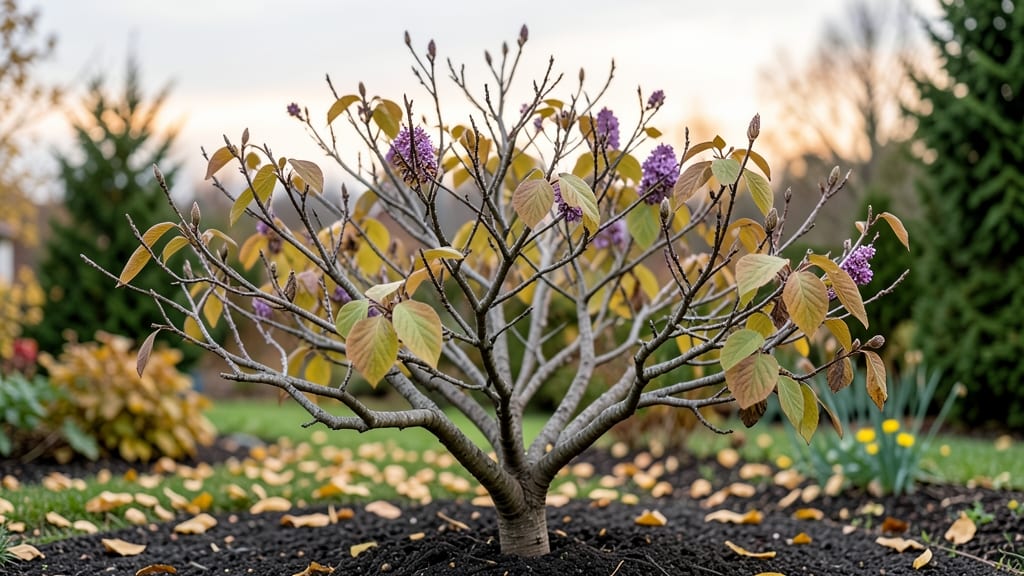
Autumn’s crisp air and golden leaves mean it’s time to prune your lilac tree—the secret to next spring’s showstopper blooms starts now. 🌿 I’ve learned the hard way that waiting until winter means sacrificing next year’s flowers, while pruning too early risks stunted growth.
The key is timing: after the leaves fall but before hard frost sets in, typically late October to November in most zones.
This isn’t just about cutting branches—it’s about shaping your lilac’s future. Remove any dead, crossing, or weak stems first, then thin out crowded areas to improve airflow. Lilacs bloom on old wood, so avoid heavy pruning; just lighten the canopy to prevent disease and encourage stronger growth.
Think of it as giving your tree a haircut that sets it up for a stellar comeback.
What you’ll end up with is a tree that wakes up in spring with vibrant green leaves and abundant blooms—the kind that make neighbors stop and sniff. The pruning also reduces pests and diseases hiding in dense foliage, so your lilac stays healthier through winter.
Plus, the process takes less than an hour if you’re organized.
Works for both mature lilacs and younger trees, though the approach varies slightly. For established bushes, focus on rejuvenation; for new plantings, prioritize structure. Either way, you’re setting the stage for a blooming season that’ll make your garden the envy of the block.
📚 In This Guide
- What you need
- Instructions
- Tips and common mistakes
- Wrapping up and next steps
What you need
- ● Pruning shears: Bypass pruners (sharp, clean, and capable of cutting branches up to ½ inch thick). Quantity: 1 pair.
- ● Loppers: For thicker branches (½ to 1½ inches). Quantity: 1 pair.
- ● Pruning saw: For branches thicker than 1½ inches. Quantity: 1.
- ● Gloves: Heavy-duty, cut-resistant gloves to protect your hands. Quantity: 1 pair.
- ● Disinfectant: 70% isopropyl alcohol or a pruning sealant (to prevent disease spread). Quantity: Small bottle.
- ● Trash bags: For collecting pruned branches. Quantity: 2–3 (depending on tree size).
- ○ Ladder (optional): Sturdy, extendable for taller trees (6+ feet). Height: Adjustable to 10–12 feet.
- ● Timing: Prune after lilacs bloom (late autumn, post-leaf fall) or early spring (before buds swell).
- ● Weather: Choose a dry, overcast day to avoid stressing the tree.
- ● Safety gear: Safety glasses (to protect from debris) and closed-toe shoes.
- ● Tree health check: Inspect for diseased or dead branches (brown, mushy, or hollow wood) to remove first.
- ● ✨ Sharpen tools: Dull blades tear wood, inviting pests. Use a file or sharpening stone before starting.
- ● 🌡️ Work in layers: Remove ⅓ of old wood first, then tackle shaping. Never prune more than ⅓ of the tree’s canopy at once!
- ○ 🔥 Label branches (optional): Use twine or flags to mark branches to keep or remove if unsure.
Step-by-Step instructions for pruning lilac trees in autumn
Here's how I refresh my lilacs each fall to guarantee lush, vibrant blooms next spring.
✂️ Step 1: Gather Tools and Prepare for Pruning
Start by cleaning your pruning shears with rubbing alcohol to prevent spreading disease between cuts. I always use sharp, bypass pruners for clean cuts—dull blades tear bark and invite infections. Wear gloves to protect your hands from thorns and sap.
Lay out your tools: pruning shears, loppers (for thicker branches), and disinfectant. A small broom and trash bag help keep your workspace tidy. Work on a dry day—wet wood splinters more and makes cuts harder to see.
🌿 Step 2: Remove Dead, Diseased, or Weak Wood
Scan the tree for branches that are dead (no leaves, hollow when tapped), diseased (blackened spots, oozing sap), or weak (thin, crossing, or rubbing against others). Cut these back to the main trunk or a healthy lateral branch. You'll see a clear difference in the wood color—healthy branches have smooth, greenish bark.
Never leave stubs. Cut just outside the branch collar (the swollen area where the branch meets the trunk). This ensures the tree seals the wound properly. If a branch is thicker than your shears can handle, use loppers—but don’t overreach. I always step back and look at the tree from all sides to spot hidden issues.
✂️ Step 3: Thin Out Crowded Branches for Airflow
Lilacs bloom on last year’s growth, so focus on opening up the center of the tree. Remove 20-30% of the oldest wood—these are the thicker branches that produce fewer flowers. Cut them back to a strong lateral branch or the main trunk. You’ll notice the tree’s shape becomes more open, which improves airflow and reduces disease risk.
Watch for branches growing inward. These compete for sunlight and weaken the tree. Thin them out first, making sure to leave some outer branches to maintain the tree’s natural shape. Step back frequently to visualize the tree’s new structure—you want a balanced, vase-like shape.
☀️ Step 4: Shape and Encourage New Growth
Now’s the time to refine the tree’s shape. Lilacs respond well to light pruning, so avoid heavy cuts. Trim back any branches that grew too long or look leggy. Cut just above a leaf bud or lateral branch to encourage new growth. You’ll see buds forming along the stems—these will develop into next year’s blooms.
If your lilac has a dense canopy, focus on lifting the center by removing lower branches. This lets sunlight reach the ground, encouraging new shoots. Avoid pruning more than one-third of the tree’s total branches in a single season—this stresses the plant and reduces flowering.
🪴 Step 5: Clean Up and Apply Finishing Touches
Rake up all clippings and dispose of them in the trash—not your compost pile. Diseased branches can harbor pathogens that spread to other plants. Sweep the ground around the tree to remove fallen leaves and debris, which can harbor pests over winter.
Apply a 2-3 inch layer of mulch around the base of the tree, keeping it 6 inches away from the trunk. This protects roots from freezing temperatures and retains moisture. Water the tree deeply to help it recover from pruning. You’ll notice fresh, vibrant growth sprouting in early spring—a sure sign your lilac is revitalized and ready for another stunning bloom.
Tips & tricks for perfect lilac tree pruning in autumn
Here's what nobody tells you about getting your lilacs ready for next year's spectacular blooms.
Tool Prep is Non-Negotiable: In Step 1, I can't stress enough how critical it is to disinfect your tools before starting. After pruning one tree, I've seen infections spread to others when tools weren't properly cleaned. Use rubbing alcohol on shears between cuts if you're working with multiple trees, and keep a small spray bottle handy for quick disinfection. This simple step prevents years of fighting powdery mildew or borer infestations that can ruin your lilac's health.
Visual Cues for Healthy Wood: When examining branches in Step 2, look for these telltale signs: healthy wood should have smooth, greenish bark that's firm to the touch. Tap branches—hollow sounds mean dead wood. Diseased branches often have blackened spots or oozing sap. I've made the mistake of leaving infected branches, only to watch the entire tree decline the following spring. Cut these aggressively and dispose of them properly to prevent reinfection.
Pruning Percentage Matters: In Step 3, the 20-30% guideline isn't arbitrary—it's based on lilacs' natural growth patterns. These trees bloom on old wood, so removing too much (over 30%) reduces next year's flowers dramatically. I learned this the hard way when I over-pruned and got sparse blooms. Focus on removing the oldest, thickest branches first—they produce the fewest flowers anyway. Think of it as sculpting rather than hacking.
Mulching Technique: The 2-3 inch mulch layer in Step 5 needs proper placement too. Apply it in a donut shape around the trunk, keeping it 6 inches away to prevent rot. I've seen beginners pile mulch right against the trunk, which creates moisture traps that invite disease. Use organic mulch like wood chips or shredded leaves—they break down slowly and improve soil structure over time. This simple step makes all the difference in winter survival.
Pro Tips for Lilac Tree In Autumn
- Here's what nobody tells you about getting your lilacs ready for next year's spectacular blooms.
- Tool Prep is Non-Negotiable: In Step 1, I can't stress enough how critical it is to disinfect your tools before start...
- Visual Cues for Healthy Wood: When examining branches in Step 2, look for these telltale signs: healthy wood should h...
Frequently asked questions
Got questions about pruning your lilac tree in autumn? You’re not alone! Here are some of the most common queries—and their answers—to help you prep like a pro.
When is the exact best time to prune lilacs in autumn?
Late autumn, after the leaves fall but before hard frost (typically October–November in most U.S. zones). Pruning too early can stimulate new growth that won’t harden off before winter. Wait until the ground is slightly chilled, but avoid pruning if frost is forecasted within 48 hours.
Do I need to remove all the old wood, or just some of it?
Nope—only prune dead, diseased, or crossing branches (about 20–30% of the plant). Lilacs bloom on old wood, so heavy pruning now risks next year’s flowers. Focus on shaping and thinning to improve airflow. Think “light touch,” not “haircut.”
What if my lilac tree didn’t bloom this year? Did I mess up?
Not necessarily! Lilacs need 3–4 years to mature before blooming reliably. Other culprits: over-pruning, poor soil, or drought stress. If it’s a young tree, be patient. For established ones, check for nutrient deficiencies (add compost) or pests (like borers).
Can I prune lilacs in autumn if they’re in full sun vs. partial shade?
Yes, but timing tweaks help. In full sun, prune by mid-October to avoid stress from winter sunburn. In partial shade, you have until November since cooler temps slow regrowth. Always prune on a dry, overcast day to reduce sun exposure stress.
What’s the best way to dispose of pruned lilac branches?
Dispose of diseased branches in sealed bags (don’t compost!). Healthy trimmings can be mulched or used as ground cover (they decompose slowly). Avoid burning—lilac smoke can irritate lungs. For large piles, check local green waste programs or chip them for garden paths.
Pro tip: Label pruned branches with twine if replanting cuttings—some lilac varieties root easily!
Wrapping up and next steps
Autumn is the perfect time to give your lilac tree the care it needs to burst into vibrant blooms next spring! By pruning now, you’re not just tidying up—you’re shaping a future full of fragrant flowers and lush foliage. Start small, stay consistent, and watch your lilac thrive.
Ready to take action? Grab your tools, follow the steps, and give your tree the love it deserves! 🌿✨ Check out our seasonal care guide for even more tips to keep your lilac happy year-round.