
Pruning
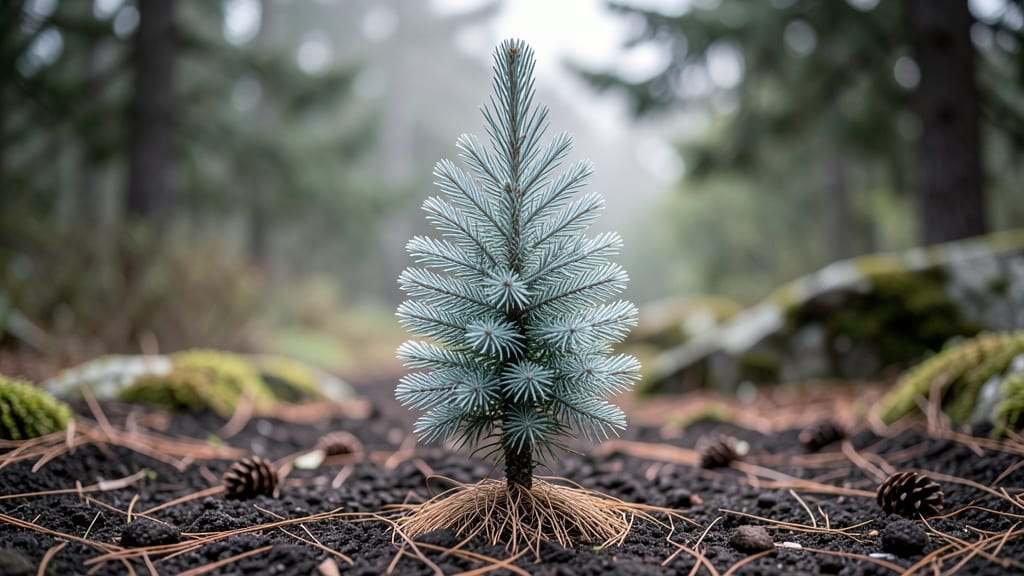
Growing a spruce tree seedling from scratch gives you a head start on the fragrant evergreen you’ll cherish for decades. 🌲 The key to dwarf varieties is controlling height early—something I learned after my first seedling shot up like a weed.
With the right container and pruning, you’ll keep it compact while nurturing that signature spruce shape.
Start with well-draining soil and a container at least 12 inches deep—too shallow and roots get cramped. Keep the soil moist but never soggy, and place your seedling in bright, indirect light.
The first year is all about steady growth, not speed, so avoid fertilizing until you see new needles forming. Patience here means fewer headaches later.
By the end of the first growing season, your seedling will have a sturdy base ready for controlled pruning. You’ll notice those signature spruce branches filling out, and with regular tip pruning, you’ll steer its growth toward your desired shape.
The payoff? A tree that fits your space without sacrificing that classic evergreen look.
This method works for any dwarf variety, whether you’re growing in a patio pot or a large container. The same principles apply whether you’re in a sunny backyard or a shaded balcony—just adjust the light source. Let’s get those seeds started right!
📚 In This Guide
- What you need
- Instructions
- Tips and common mistakes
- Wrapping up and next steps
What you need
- ● Spruce tree seedling (dwarf variety): 1 healthy, 1–2-year-old seedling (e.g., Picea pungens ‘Glauca Globosa’ or ‘Little Gem’). Choose a root-bound or bare-root option from a nursery.
- ● Container: 1 large pot (15–20 gallons) with drainage holes. Pro tip: 💡 Use a fiberglass or plastic pot for durability and weight reduction.
- ● High-quality potting mix: 1 bag (1–2 cubic feet) of acidic, well-draining soil (pH 4.5–6.0). Mix with 50% peat moss or pine bark for optimal aeration.
- ● Slow-release fertilizer: 1 lb of balanced, organic fertilizer (e.g., 10-10-10 or a spruce-specific blend). Apply at planting and again in early spring.
- ● Mulch: 2–3 inches of pine bark fines or wood chips to retain moisture and regulate soil temperature.
- ● Garden trowel or spade: 1 medium-sized tool for digging and transplanting.
- ● Pruning shears: 1 pair of sharp, sterilized shears (for shaping and height control). Pro tip: ✨ Disinfect blades with rubbing alcohol between cuts to prevent disease.
- ● Watering can or hose with nozzle: 1 with a gentle spray setting for even moisture distribution.
- ○ pH test kit: 1 (optional but recommended) to monitor soil acidity.
- ○ Support stake (optional): 1 lightweight bamboo or plastic stake (for young seedlings in windy areas).
- ● Location: A spot with full sun (6+ hours/day) and partial shade in hot climates. Avoid harsh afternoon sun if in a container.
- ● Temperature: Ideal range of 40–75°F. Protect from frost (<32°F) with burlap wraps or a cold frame.
- ● Water source: Access to soft, slightly acidic water (rainwater or distilled if possible). Avoid tap water with high chlorine.
- ● Patience & commitment: Dwarf spruces grow 1–2 feet per year—pruning and care will keep them compact and healthy!
Step-by-step instructions for growing dwarf spruce tree seedlings in containers
Here's how to nurture sturdy, slow-growing spruce seedlings that stay compact and thriving.
🌱 Step 1: Prepare Containers and Soil Mix
Use 5-gallon containers with drainage holes to give roots room to spread without crowding. I like plastic pots because they retain moisture better than terra cotta for young seedlings. Fill each container with a mix of 50% peat moss and 50% perlite—this lightweight blend prevents compaction while allowing excess water to drain freely.
Moisten the mix until it feels like a damp sponge—squeeze a handful and it should hold together but not drip. The reason for this ratio is that spruce roots need both moisture retention and oxygen. Pack the mix gently around the edges to create a firm base for the seedling.
🌿 Step 2: Plant Seedlings at the Right Depth
Dig a hole in the center of each container that's just deep enough to accommodate the root ball without burying the stem. For dwarf varieties, I aim for a planting depth where the top of the root ball sits 1 inch below the soil surface. This ensures stability while preventing stem rot from buried stems.
Gently remove the seedling from its nursery pot and loosen any circling roots with your fingers. Place it in the hole and backfill with soil, pressing lightly to eliminate air pockets. Water immediately after planting—this helps settle the soil and encourages root contact with the moist mix.
☀️ Step 3: Position for Optimal Light and Airflow
Dwarf spruce seedlings need 6-8 hours of morning sun daily to grow strong without stretching. A spot with afternoon shade prevents leaf scorch, especially in hot climates. I place mine on a covered patio where they get bright indirect light but avoid the harsh afternoon rays.
Space containers 12 inches apart to allow airflow between plants—this reduces humidity around the foliage and prevents fungal diseases. You'll notice healthier seedlings with fewer yellowing needles when airflow is good. Rotate the pots weekly so all sides get even light exposure.
💧 Step 4: Water and Fertilize for Compact Growth
Water when the top 1 inch of soil feels dry—this prevents soggy roots while keeping the mix consistently moist. I use a watering can with a narrow spout to direct moisture to the base without wetting the needles, which can cause disease. Always water in the morning so foliage dries quickly.
Fertilize every 6 weeks with a 10-10-10 balanced fertilizer diluted to half strength. The key here is moderation—over-fertilizing causes leggy growth, which defeats the purpose of growing a dwarf variety. After fertilizing, flush the soil with water after a week to prevent salt buildup.
✂️ Step 5: Prune for Bushier Shape
Start pruning when seedlings reach 6-8 inches tall to encourage branching. Use clean, sharp pruning shears to trim the top ¼ inch of new growth just above a set of needles. This signals the plant to produce side shoots, creating that dense, compact look.
Remove any dead or yellowing needles immediately—they can harbor pests and diseases. I prune in early spring and again after the growing season to maintain shape. Never remove more than 20% of the plant's height at once, or you'll stress the seedling and stunt its growth.
Tips & tricks for perfect dwarf spruce tree seedlings
These simple strategies will help you maintain compact, healthy dwarf spruce seedlings that stay true to their variety.
Container Selection: While 5-gallon containers work perfectly, you can also use slightly larger pots (up to 7 gallons) if you plan to keep your seedlings for more than a year. Just be sure to maintain the same 12-inch spacing between containers to prevent overcrowding. I've found that black plastic pots absorb more heat, which can help in cooler climates—just monitor soil moisture more closely with these.
Soil Mix Adjustment: The 50% peat moss and 50% perlite mix is ideal, but if you're in a particularly dry climate, you can substitute 10% of the perlite with coarse sand. This helps improve drainage while still maintaining that perfect moisture balance. Always pre-moisten your mix to the damp sponge consistency before planting—this prevents compaction and ensures even root contact.
Light Positioning: That 6-8 hours of morning sun is critical, but watch for subtle signs of stress. If you notice seedlings stretching toward the light or developing pale needles, they're not getting enough light. In winter months when daylight is shorter, consider supplementing with a grow light for 4-6 hours in the evening to maintain that compact growth habit.
Pruning Precision: When you start pruning at the 6-8 inch mark, focus on making clean cuts just above a set of needles. This encourages branching while maintaining the natural shape. I've found that using a small pair of sharp scissors rather than pruning shears gives me more control over these delicate cuts. Always sterilize your tools with rubbing alcohol between cuts to prevent disease transmission.
Pro Tips for Spruce Tree Seedling
- These simple strategies will help you maintain compact, healthy dwarf spruce seedlings that stay true to their variety.
- Container Selection: While 5-gallon containers work perfectly, you can also use slightly larger pots (up to 7 gallons) if you plan to keep your seedlings for more than a year.
- Soil Mix Adjustment: The 50% peat moss and 50% perlite mix is ideal, but if you're in a particularly dry climate, you can substitute 10% of the perlite with coarse sand.
Frequently asked questions
Got questions about growing and caring for your spruce tree seedling? You’re not alone! Here are some of the most common concerns—and their answers—to help you nurture a thriving dwarf spruce in containers.
How often should I water my spruce tree seedling?
Water your seedling when the top 1-2 inches of soil feel dry. Dwarf spruces in containers dry out faster than in-ground trees, so aim for 1-2 times per week in warm weather. Overwatering is risky—ensure pots have drainage holes to prevent root rot. Pro tip: Check soil moisture with your finger before watering!
When is the best time to plant a spruce seedling?
Plant your seedling in early spring or fall when temperatures are mild. Avoid extreme heat or frost, which can stress young roots. If planting in containers, use a well-draining potting mix and place the pot in partial shade for the first few weeks to help it acclimate.
How do I control the height of a dwarf spruce?
Dwarf spruces grow slowly (typically 1-3 feet per year), but you can prune to maintain shape. Use sharp, sterilized shears to trim back in late winter or early spring. Avoid heavy pruning—focus on shaping rather than reducing height drastically. Pro tip: Never cut into old wood; new growth is softer and responds better!
Can I grow a spruce tree seedling indoors?
While possible, dwarf spruces thrive outdoors with bright, indirect light. If indoors, place near a south-facing window or under grow lights for 6-8 hours daily. Humidity is key—mist leaves or use a pebble tray. Expect slower growth and potential pest issues without proper airflow.
What should I do if my seedling’s needles turn brown?
Brown needles often signal overwatering, underwatering, or pests. Check soil moisture and adjust watering. Inspect for spider mites or aphids—spray with neem oil if needed. Improve airflow by spacing plants and avoid wetting foliage. Pro tip: Brown needles on older growth are normal; focus on new growth for health!
Are there alternatives to dwarf spruces for containers?
Yes! Consider dwarf mugo pine, blue rug juniper, or columnar arborvitae—all thrive in containers and offer unique shapes. Choose based on your climate: spruces prefer cooler regions, while junipers tolerate heat better. Always pick a variety labeled "dwarf" for manageable growth.
Wrapping up and next steps
Growing a spruce tree seedling, especially a dwarf variety in containers, is a rewarding journey that combines patience and care. With the right materials, pruning techniques, and attention to detail, you’ll enjoy a lush, manageable tree that thrives year after year. 🌲✨
Now that you’re armed with knowledge, take the next step: start small—whether it’s repotting your seedling or refining your pruning skills. Watch your little spruce flourish, and soon, you’ll be the proud gardener of a stunning, well-controlled evergreen! 🌱💚