
Pruning
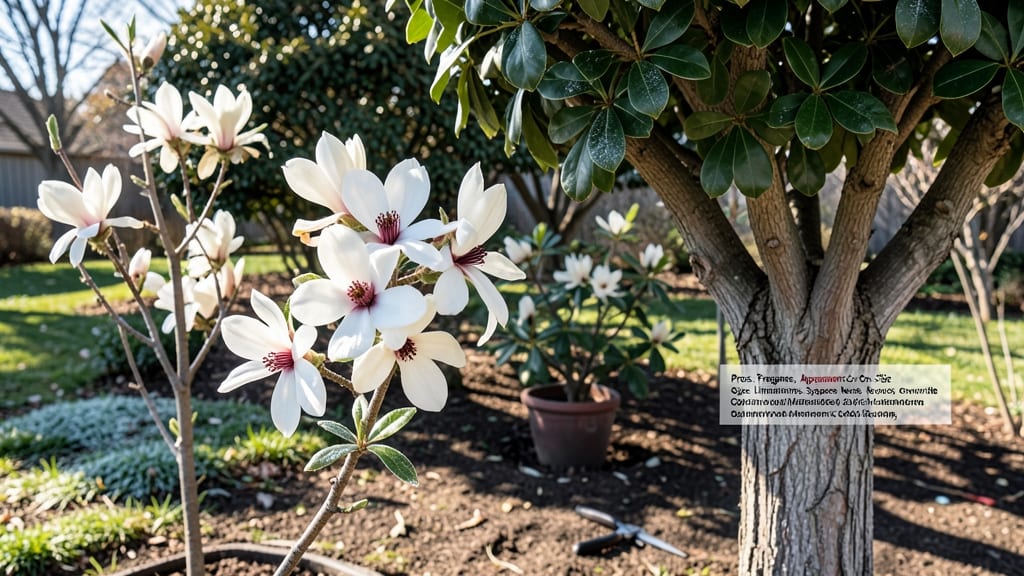
The Royal Star magnolia tree's pros and cons include its breathtaking white, star-shaped blooms and fragrant spring display, but its high-maintenance needs—like consistent moisture, partial shade, and slow growth—make it a long-term commitment for landscaping. Its disease resistance and deer-resistant foliage balance its limited hardiness in colder climates and large mature size.
The Royal Star magnolia's showstopping flowers are its biggest selling point—each bloom can reach 8 inches wide and fills the air with a sweet, citrusy fragrance that attracts pollinators.
However, these stunning displays come with trade-offs: the tree's slow growth rate (6-12 inches per year) means waiting 10+ years for full maturity, and its 20-30 foot height requires careful site selection to avoid overpowering smaller gardens. 🌸 The evergreen foliage adds year-round interest, but its preference for acidic soil (pH 5.0-6.5) and partial shade may limit planting options in some landscapes.
On the maintenance side, while its disease resistance is impressive—especially compared to other magnolias—it still demands 1-2 inches of water weekly and regular mulching to protect roots. The late frost sensitivity means gardeners in Zone 4 must take extra precautions, like wrapping young trees in burlap.
For those willing to invest the time, though, the Royal Star's low deer pressure and long bloom season make it a standout choice for formal gardens and urban landscapes where space is limited but impact is everything.
💡 In This Article
- Royal Star Magnolia Tree Growth Characteristics and Climate Adaptations
- Long-Term Care Tips for Royal Star Magnolias: Pruning, Watering, and Disease Prevention
Royal Star magnolia tree growth characteristics and climate adaptations
The Royal Star magnolia's slow growth rate (6-12 inches per year) is a defining characteristic that directly impacts landscaping decisions. This deliberate pace means gardeners must plan for a 10-15 year investment before enjoying its full mature size of 20-30 feet tall and wide.
The tree's growth habit is upright but rounded, making it ideal for specimen planting or as a focal point in larger gardens where its 8-inch-wide star-shaped blooms can truly shine without competing with other plants. 🌿
Climate adaptation is where this magnolia excels—and where it struggles. It thrives in USDA Zones 4-8, but its optimal performance occurs in Zones 6-8 where temperatures stay consistently between 50-90°F.
The tree's evergreen foliage contains wax-coated leaves that reduce water loss, but this adaptation also makes it vulnerable to late spring frosts (below 28°F) which can damage emerging buds. In colder zones, gardeners must use burlap wraps or frost cloths during critical bloom periods.
The Royal Star's preference for partial shade (4-6 hours of sunlight daily) and acidic soil (pH 5.0-6.5) creates another layer of care considerations. Unlike sun-loving magnolias, this variety performs best when protected from intense afternoon sun which can scorch its delicate leaves.
The acidic soil requirement means amending alkaline soils with pine needles, peat moss, or sulfur—a process that takes 6-12 months to establish proper pH levels. 💧
Where it truly stands out is in its disease resistance compared to other magnolias. While not immune to powdery mildew or leaf spot, it handles these issues far better than varieties like the Saucer Magnolia. The tree's thick, leathery leaves contain natural antifungal compounds that deter many common pathogens.
Additionally, its deer-resistant foliage (thanks to bitter compounds in the leaves) makes it a practical choice for rural properties where browsing is a concern.
However, these growth characteristics create trade-offs. The tree's large mature size makes it unsuitable for small yards or urban courtyards where space is limited. Its slow establishment period means temporary lack of visual impact during the first 5 years of growth.
The specific climate requirements also limit planting flexibility—gardeners in Zone 4 must take extra precautions against winter dieback, while those in Zone 9+ may struggle with heat stress during summer months.
For those willing to accommodate these needs, the rewards are substantial. The Royal Star's prolonged bloom season (3-4 weeks in spring) and intense fragrance (detectable up to 30 feet away) create a sensory experience that few other trees can match.
The evergreen foliage provides year-round structure, while the low-maintenance disease resistance reduces long-term care compared to many ornamental trees. 🌸