
Pruning
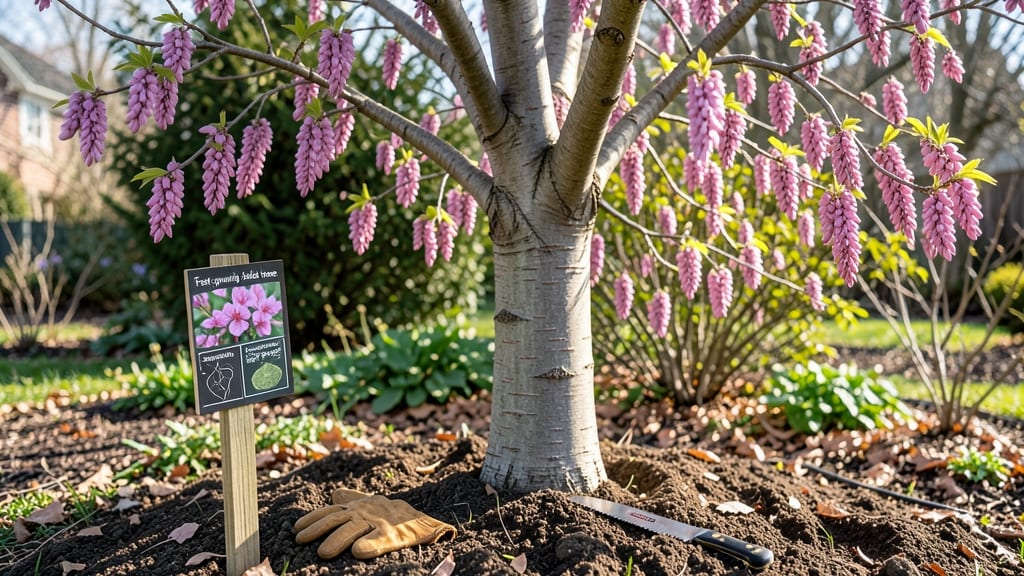
💥 Considering the redbud tree pros and cons? They bring vibrant pink and purple spring blooms, thrive in small spaces with compact growth, and become drought-resistant once established—but watch for shallow roots that can outcompete nearby plants, minimal fall color, and pest vulnerabilities like aphids and borers in humid areas.
The redbud tree pros and cons reveal why this tree is a standout choice for early-season beauty with its showy blossoms that appear before leaves, making them a favorite for landscape highlights.
Their adaptability to USDA zones 4-9 and low maintenance once mature makes them perfect for gardeners seeking low-effort beauty. 🌸 The trade-off? Their shallow root systems demand careful placement near foundations or sidewalks, and while they bloom reliably in spring, their foliage turns unremarkable by summer.
Pruning after flowering helps maintain shape while preserving next year's blossoms.
For pest management, I recommend monitoring for aphids and borers—especially in southern climates—and treating early with horticultural oil. Their rapid early growth (12-18 inches annually) means they fill space quickly but may need occasional thinning to prevent overcrowding.
Compared to dogwoods or serviceberries, redbuds offer simpler care but less seasonal variety in foliage color.
💡 In This Article
- Redbud Tree Growth Habits and Climate Adaptability
- Pruning Redbud Trees: Best Practices and Common Mistakes
Redbud tree growth habits and climate adaptability
The Eastern redbud (Cercis canadensis) thrives in USDA zones 4-9, showcasing its adaptability across diverse climates. Its rapid early growth—12-18 inches per year—lets it establish quickly in both urban and rural settings.
The key to this adaptability lies in its shallow but extensive root system, which spreads horizontally rather than deeply, making it efficient at absorbing moisture from topsoil. 🌱 This trait also explains why redbuds excel in drought conditions once mature, as their roots seek out water near the surface rather than requiring deep irrigation.
What sets redbuds apart visually is their February-March bloom cycle, when clusters of 1-inch pink to purple flowers erupt along branches before leaves emerge. This early flowering gives them an edge over competitors like dogwoods (which bloom later) or serviceberries (which have later spring foliage).
The flowers' vibrant color comes from anthocyanin pigments that also protect the tree from UV damage—a natural adaptation to their native habitats in woodlands and riverbanks. After blooming, the leaves develop into heart-shaped foliage that turns yellowish-green in summer, offering only modest seasonal interest compared to trees like maples.
The shallow root system has practical implications for gardeners. While it makes redbuds drought-tolerant, it also means they shouldn't be planted within 10-15 feet of foundations or sidewalks, where roots could lift concrete or invade plumbing lines.
Their compact mature size (20-30 feet tall, 25-35 feet wide) makes them ideal for small yards, but this same trait can lead to overcrowding if multiple trees are planted too closely together. The trade-off is clear: their space efficiency comes with root competition risks for nearby plants.
Climate-wise, redbuds handle both cold winters (-25°F tolerance) and hot summers (90°F+ with proper moisture), though they prefer well-drained soil with 6.0-7.5 pH levels.
In humid southern climates, their susceptibility to pests like aphids and borers becomes more pronounced—aphids feed on sap, causing leaf curl, while borers tunnel into branches, weakening structural integrity.
This vulnerability contrasts with their northern counterparts, which face fewer pest pressures but may struggle with winter desiccation if not properly mulched.
For gardeners comparing redbuds to alternatives, consider these trade-offs: Dogwoods offer better fall color but require more maintenance, while serviceberries provide edible fruit but need more space. Redbuds win for low-maintenance early spring drama, though their seasonal foliage performance lags behind multi-season performers like oaks or ginkgos.
Their 3-5 year establishment period is another factor—during this time, they need regular watering to develop deep enough roots for drought resistance.
One often-overlooked advantage is their wildlife value: redbud flowers attract pollinators like bees and butterflies, while their seed pods provide food for birds in late spring. This ecological benefit pairs well with their ornamental appeal, making them a dual-purpose choice for eco-conscious landscapers.
The combination of rapid growth, early blooms, and wildlife support explains why redbuds remain a top pick for urban and suburban landscapes alike.