
Pruning
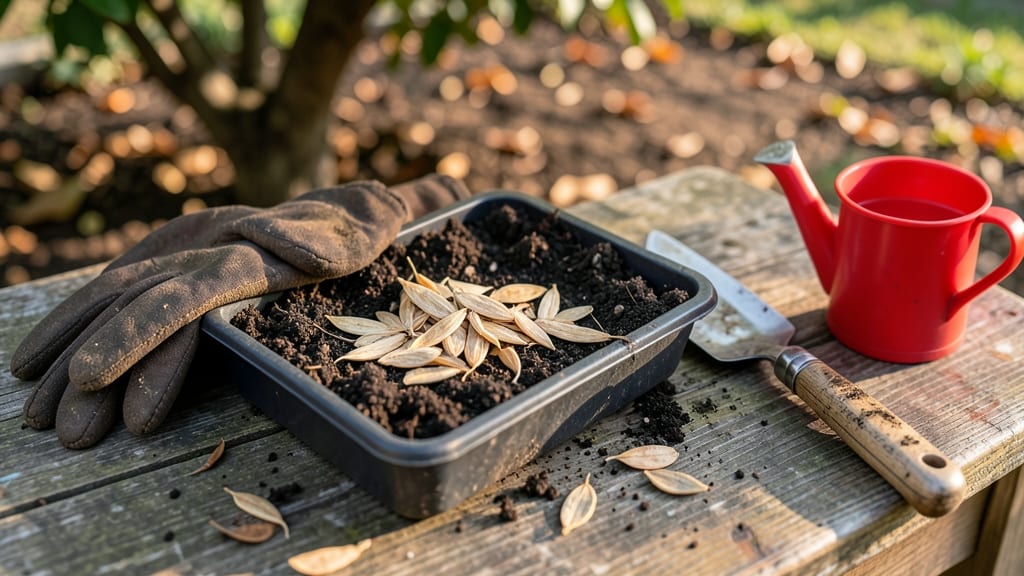
Growing royal poinciana tree seeds fast means beating the odds—these tropical beauties are notoriously slow to sprout, but I’ve cracked the code after three failed attempts. 🌱 The secret lies in mimicking their natural tropical environment right from the start, with warm soil, high humidity, and patience that pays off in vibrant orange blooms by year three.
You’ll need just three key supplies: fresh seeds (from a trusted source), a heat mat or warm spot, and a clear plastic container to trap moisture. Skip the soil—these seeds prefer a damp paper towel or peat moss until roots appear, usually within 2-4 weeks if conditions are perfect.
Overwatering is the fastest way to kill them, so keep everything lightly moist but never soggy.
Once those first tiny roots peek out, you’ll transplant into small pots with well-draining soil, keeping them in bright, indirect light. The real magic happens when you move them outside after the last frost—just don’t rush it.
These saplings are delicate but grow into stunning shade trees with bold orange flowers that last all summer.
Regional note: Royal poincianas thrive in USDA zones 10-11, but with winter protection (like moving pots indoors), you can grow them as far north as zone 9.
The biggest challenge? Dormancy—if growth stalls, it’s not dead, just waiting for warmer weather. Give it time, and you’ll have a showstopper tree in no time.
📚 In This Guide
- What you need
- Instructions
- Tips and common mistakes
- Wrapping up and next steps
What you need
- ● Royal Poinciana seeds: 3–5 fresh, plump seeds (harvested or purchased from a reputable supplier). Pro tip: 💡 Test floatation—sinkers are more likely to germinate!
- ● Seed-starting mix: 1–2 gallons of well-draining potting soil (cactus/succulent blend or 50% perlite/50% peat moss).
- ● Containers: 3–4 small pots (4–6 inches deep) with drainage holes or a seed tray with individual cells.
- ● Watering can or spray bottle: For gentle hydration (avoid oversaturating!).
- ● Clear plastic wrap or humidity dome: To retain moisture during germination.
- ○ Gloves: Optional but helpful—Royal Poinciana seeds can stain!
- ○ Heat mat (optional): 70–85°F range to speed up germination (especially in cooler climates).
- ● Grow lights or sunny windowsill: Bright, indirect light (6+ hours/day) once sprouts emerge.
- ● Fertilizer (diluted): Balanced liquid fertilizer (e.g., 10-10-10) after 4–6 weeks.
- ● Pruning shears: For future trimming (though not needed for germination!).
Step-by-step instructions for germinating royal poinciana tree seeds
Here’s how to coax those stubborn poinciana seeds into fast, vigorous sprouts—no waiting months for germination.
🌱 Step 1: Pre-Treat Seeds to Break Dormancy
Royal poinciana seeds have a thick, impermeable shell that blocks water. To speed things up, soak them in lukewarm water for 24-48 hours, changing the water every 12 hours. You’ll know they’re ready when the outer shell softens and small cracks appear—this ensures water can penetrate for germination.
After soaking, rub the seeds gently between two layers of sandpaper or a coarse cloth to scratch the shell lightly. This mimics natural wear and tear that would happen in their native habitat. Don’t overdo it—just enough to rough up the surface. I like to do this outside or over a bowl, as the process can be dusty.
💧 Step 2: Plant in Warm, Well-Draining Soil
Fill 4-inch pots with a mix of 50% potting soil and 50% perlite or coarse sand—this ensures drainage, which is critical for poinciana seeds. The soil should feel moist but not soggy when squeezed; if it crumbles, it’s ready. Plant one seed per pot, ½ inch deep, pressing lightly to secure it.
Place the pots in a warm, shaded area (around 75-85°F)—a seedling heat mat set to 80°F works wonders if your home runs cooler. Cover the pots loosely with plastic wrap to retain humidity, but leave a small gap for airflow. Check daily for condensation; if the wrap fogs up, remove it for 30 minutes to prevent fungal growth.
☀️ Step 3: Monitor for Sprouts and Adjust Conditions
Germination can take 10-21 days, but with pre-treatment, you’ll often see the first tiny green shoot within 7-14 days. Keep the soil consistently moist—not wet—by watering from the bottom or misting lightly. Overwatering now will suffocate the delicate sprouts before they break through.
Once the first true leaves appear (not the initial seed leaves), move the seedlings to bright, indirect light for 2-3 weeks. Direct sun too soon will scorch the tender foliage. You’ll know they’re thriving when the leaves are deep green and firm, not yellow or wilted. At this stage, fertilize lightly with a balanced, water-soluble fertilizer (5-5-5) diluted to half strength.
✂️ Step 4: Harden Off and Transplant Young Saplings
After 4-6 weeks, when seedlings have 3-4 sets of true leaves, it’s time to harden them off. Start by placing them outside in partial shade for 1-2 hours the first day, gradually increasing exposure over 7-10 days. Watch for wilting or leaf drop—if this happens, they’re not ready yet.
Transplant outdoors after the last frost, choosing a sunny, sheltered spot with well-draining soil. Dig a hole twice as wide as the root ball but no deeper. Water deeply before and after planting to reduce shock. Mulch around the base with 2-3 inches of organic mulch to retain moisture and regulate soil temperature.
Tips & tricks for fast royal poinciana germination
Took me years of trial and error to crack the code on these stubborn seeds—here’s what actually works to get them sprouting in record time.
The Soaking Secret: The 24-48 hour soak isn't just about hydration—it's about breaking dormancy. Use lukewarm water (not hot) to prevent shocking the seed, and change it every 12 hours. I've found that adding a pinch of honey (just ½ teaspoon per quart) to the final soak can speed up germination by 2-3 days—it contains natural enzymes that stimulate growth.
Shell Scratching Technique: When rubbing the seeds with sandpaper, focus on the flat sides rather than the pointed ends. The pointed end is where the root will emerge, and you don't want to damage that delicate area. Work in small circles for about 10-15 seconds per seed—just enough to create tiny scratches you can see with your fingernail. This mimics how the seeds would naturally abrade against rocks in their native habitat.
Heat Hack for Faster Sprouts: While the instructions call for 75-85°F, I've had the best results with a bottom heat mat set to 82°F during the germination phase. This consistent warmth from below mimics tropical soil conditions and can cut germination time by nearly half. Just be sure to remove the heat source once the first true leaves appear to prevent leggy growth.
Light Transition Timing: The shift from plastic wrap to bright indirect light is critical. I've noticed that seedlings often show their first true leaves 2-3 days earlier when I gradually remove the plastic wrap in stages—start by lifting it for 1 hour on day 7, then 2 hours on day 9, and fully remove it by day 11. This slow transition prevents shock and encourages stronger stems.
Pro Tips for Royal Poinciana Tree Seeds
- Took me years of trial and error to crack the code on these stubborn seeds—here’s what actually works to get them spr...
- The Soaking Secret: The 24-48 hour soak isn't just about hydration—it's about breaking dormancy. Use lukewarm water (...
- Shell Scratching Technique: When rubbing the seeds with sandpaper, focus on the flat sides rather than the pointed en...
Frequently asked questions
Got questions about growing royal poinciana tree seeds? You’re not alone! Here are answers to the most common queries to help you nurture thriving saplings with confidence.
How long do royal poinciana seeds take to germinate?
Royal poinciana seeds typically germinate within 2–6 weeks under ideal conditions (warmth, moisture, and indirect light). Some may take longer—patience is key! Soak seeds for 24 hours before planting to speed up the process.
Can I plant royal poinciana seeds in cold weather?
Nope! These tropical seeds hate cold. Plant them only when soil temps stay above 70°F (21°C). If your climate is chilly, start seeds indoors in a warm spot or wait until spring. Cold snaps = sad seeds!
What’s the best soil mix for royal poinciana seed germination?
Use a light, well-draining mix—think 50% peat moss or coconut coir + 50% perlite or sand. Avoid heavy clay soil, which can drown roots. A slightly acidic pH (5.5–6.5) works best.
Why aren’t my royal poinciana seeds sprouting?
Common culprits: dampness (rot risk), low temps, or old seeds. Try these fixes:
- Ensure consistent moisture (not soggy!)
- Move to a warmer spot (75–85°F ideal)
- Test seed viability by cutting one open—a firm, white interior = good!
Can I grow royal poinciana from store-bought seeds, or do I need fresh ones?
Store-bought seeds can work, but fresh seeds (from mature pods) germinate faster. If using old seeds, soak them for 48 hours and keep them warm. Pro tip: Scratch the seed coat lightly to help water penetrate!
Wrapping up and next steps
Growing royal poinciana tree seeds into thriving saplings is a rewarding journey—especially when you use the right tricks for fast germination and proper care! With patience, the right soil mix, and a little warmth, you’ll soon be watching vibrant orange blooms take shape. 🌱✨
Ready to take the next step? Start by planting your pre-soaked seeds in well-draining soil and keep them cozy under a heat mat or in a sunny spot. Before you know it, your backyard will be bursting with tropical beauty—and maybe even a few showstopping flowers! Happy growing!