
Pruning
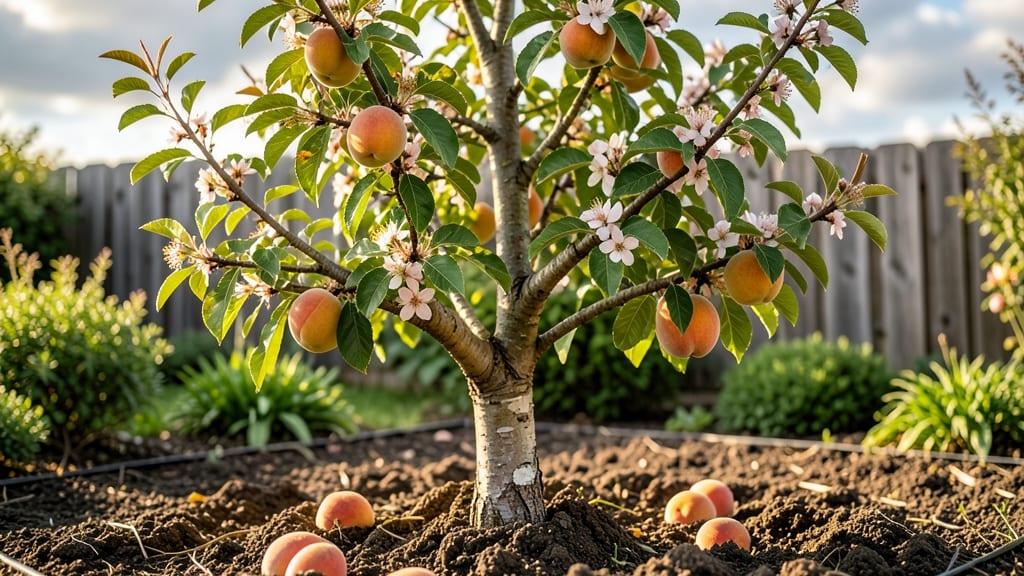
Your peach tree treatment during the dormant season starts with just three simple steps—and it could mean the difference between a sparse harvest and a bounty of juicy fruit next summer. 🌱 I’ve nursed back more struggling peach trees than I’d like to admit, and the key always comes down to timing, the right tools, and knowing what’s really hurting your tree.
The winter months aren’t just for rest—they’re when peach trees need protection from lingering fungal spores, pest eggs, and hidden damage. Brown rot and leaf curl often hide in last year’s dead leaves, while borers chew unseen under the bark. Skipping dormant season care?
That’s how problems turn into full-blown crises by spring. By late winter, you’ll see stronger new shoots, fewer signs of disease, and branches ready to burst with blossoms. The secret isn’t complicated—it’s about cleaning up, pruning strategically, and applying treatments when the tree’s defenses are lowest.
Even neglected trees can bounce back with the right approach. This works for backyard peach trees in any climate—just adjust timing for your last frost date. Let’s get your tree back on track before the sap starts flowing.
Root causes of winter stress
Dormant season is a critical time for peach trees—when they’re most vulnerable to stress that can weaken their structure, reduce spring blooms, and even invite pests or disease. Understanding why these issues arise helps you take targeted action before spring arrives.
Below, we break down the scientific triggers behind common wintertime problems in peach trees, so you can address them like a pro.
Peach trees are semi-hardy, meaning they can tolerate cold—but only gradually. When winter brings rapid temperature swings (like a warm spell followed by a hard freeze), the tree’s protective dormancy mechanisms get thrown off balance.
- How it happens: Peach trees enter dormancy by producing antifreeze proteins and reducing sap flow.
But if temperatures fluctuate wildly (e.g., 50°F one day, then 15°F the next), the tree’s cells freeze and thaw unpredictably, leading to: - Cell membrane rupture (like ice cracking a glass bottle). - Bud death (critical for spring blooms). - Cracked bark (entry points for bacteria/fungi).
- Actionable insight: 🌡️ Monitor your local microclimate—urban areas, valleys, and south-facing slopes can be 5–10°F colder than open fields. Use tree wraps or burlap shields to buffer extreme cold.
Dormant trees need far less water than their growing-season counterparts, but many gardeners make mistakes that stress the roots—either by drowning them or letting them dry out completely.
- How it happens: - Overwatering: Soggy soil in winter deprives roots of oxygen, causing anaerobic conditions (like a root “drowning”).
This triggers: - Root rot (fungal infections like Phytophthora). - Weakened vascular system (reduced nutrient uptake for spring growth). - Underwatering: While peach trees are dormant, deep frost can lift soil, exposing roots to drying winds.
Without moisture, roots lose turgor pressure, making them susceptible to: - Winter desiccation (roots “baking” in dry air). - Reduced cold hardiness (roots become more vulnerable to freeze damage).
- Actionable insight: 💧 Check soil moisture 6–8 inches deep—it should be damp but not soggy. If your soil drains poorly, raise beds or install drainage tiles. For sandy soils, mulch heavily (4–6 inches of straw) to retain moisture.
A healthy peach tree has natural barriers—waxy cuticles, bark thickness, and beneficial microbes—but winter stress lowers these defenses, making trees prime targets for invaders.
- How it happens:
- Bark-invading pests (e.g., peach tree borers, Sanninoidea exitiosa):
- Adults lay eggs in cracks from freeze damage or pruning wounds.
- Larvae burrow into the cambium layer (the tree’s growth engine), disrupting sap flow.
- Fungal pathogens (e.g., brown rot, Monilinia fructicola):
- Spores overwinter in mummified fruit or infected buds.
- Cold, wet winters activate fungal spores, which then infect dormant buds or new growth in early spring.
- Rodent damage (e.g., voles, rabbits):
- Gnawing on bark or roots creates entry wounds for pathogens.
- Sap-sucking insects (like peach aphids) may also overwinter in crevices.
- Bark-invading pests (e.g., peach tree borers, Sanninoidea exitiosa):
- Actionable insight: 🛡️ Inspect bark for egg masses (borers) and prune out mummified fruit in late winter. Apply dormant oil (a natural pesticide) to smother overwintering pests without harming the tree.
Peach trees store nutrients in their roots and branches during dormancy, but if the soil is depleted or compacted, they can’t replenish reserves—leading to weak spring growth and poor bloom production.
- How it happens: - Lack of organic matter: Soil without compost or mulch loses microbiome activity, reducing nitrogen fixation and phosphorus availability—key for root and flower development. - Compacted soil: Heavy foot traffic or clay soils restrict root expansion, limiting access to potassium (essential for cold hardiness) and magnesium (critical for chlorophyll production). - Imbalanced pH: Peach trees thrive in slightly acidic soil (pH 6.0–6.5).
If soil is too alkaline (pH >7.0), iron and manganese become unavailable, stunting growth.
- Actionable insight: 🌿 Test your soil in late winter and amend with:
- Compost or aged manure (for organic matter).
- Gypsum (for clay soils to improve drainage).
- Elemental sulfur (to lower pH if needed).
Pruning in late fall or winter (without proper technique) can severely stress a peach tree, leading to reduced flowering and increased disease risk.
- How it happens:
- Cutting too late: Pruning after bud swell (Feb–March in most climates) removes next year’s flower buds, reducing bloom potential.
- Wrong cuts: Topping (cutting back to a stub) or over-thinning disrupts the tree’s hormonal balance, causing:
- Excessive water sprouts (weak, vertical growth).
- Sun scorch (from sudden light exposure on dormant wood).
- Dirty tools: Using unsterilized pruners spreads bacterial canker (Pseudomonas syringae), which oozes from cuts and girdles branches.
- Actionable insight: ✂️ Prune in late winter (just before bud break) and:
- Make clean cuts at a 45° angle (1/4" above a bud).
- Dip tools in rubbing alcohol between cuts to prevent disease.
- Avoid removing more than 25% of foliage in one season.
Quick Fixes for Dormant Peach Trees
Revitalizing your peach tree during dormancy doesn’t have to be complicated—just targeted and timely. Below, we’ve mapped out practical solutions for common winter woes, from fungal threats to nutrient gaps, along with prevention tips to keep your tree thriving come spring.
Think of this as your dormant-season toolkit—ready to deploy when you spot trouble.
Causes: Brown rot, peach leaf curl, or powdery mildew from lingering moisture, old debris, or poor airflow. Fix:
- 🔪 Prune Out the Problem
- Remove infected branches (blackened leaves, oozing cankers, or curled foliage) 3–4 inches below the damage with sterilized pruners (wipe with rubbing alcohol between cuts).
- Pro Tip: Bag and dispose of infected branches—don’t compost them!
- 🧼 Clean Up the Canopy - Spray the tree (and surrounding soil) with a copper fungicide (like Bordeaux mixture) or neem oil solution (1 tbsp neem oil + 1 tsp mild soap per gallon of water).
Reapply every 10–14 days if rain washes it off. - Timing Matters: Do this before buds swell (late winter) to prevent spores from hitchhiking onto new growth.
- 🌡️ Boost Airflow
- Thin out overcrowded branches to improve sunlight and air circulation. Aim for a semi-open center (like an umbrella shape).
- Prevention: Mulch 2–3 inches deep with wood chips (not fresh sawdust) to keep soil dry.
Causes: Yellowing leaves, stunted growth, or weak wood from depleted soil after last season’s harvest. Fix:
- 📊 Soil Test First
- Grab a DIY soil test kit (or send a sample to your local extension office) to check pH (6.0–7.0 ideal) and nitrogen/phosphorus/potassium levels.
- Quick Fix: If pH is off, add elemental sulfur (to lower) or lime (to raise) 3–4 months before blooming.
- 💪 Winter Fertilizer Boost - Sprinkle slow-release granular fertilizer (like 10-10-10) around the drip line (not the trunk) in early winter (Dec–Jan). - Avoid fresh manure—it burns roots!
Composted options are safer. - Pro Tip: Mix in 1 cup of bone meal (for phosphorus) if your tree is struggling to set buds.
- 🌿 Organic Top-Dressing
- Spread compost or well-rotted leaf mold over the root zone and lightly water it in. This adds micronutrients without shocking the tree.
Causes: Bark borers, aphids, or scale insects hiding under loose bark or in crevices. Fix:
- 🔍 Inspect & Dislodge
- Scrape off peeling bark (where pests hide) with a plastic scraper (avoid metal—it can damage the tree).
- Look for tiny holes, sawdust-like frass (borer poop), or sticky honeydew (aphid sign). Dump debris in soapy water.
- 🧴 Dormant Oil Spray
- Apply horticultural oil (like Neem Bliss) when temps are above 40°F but below 50°F (pests are sluggish but vulnerable).
- How To: Spray thoroughly (undersides of branches too!) until leaves glisten. Reapply after rains.
- 🦋 Beneficial Insects
- Hang lacewing or ladybug larvae traps near the tree in early spring to attract natural predators.
- Prevention: Wrap the trunk with tree guard (like Tanglefoot) to block crawling pests.
Causes: Cracked bark, split branches, or blackened tips from sudden freezes or winter sunburn. Fix:
- 🛡️ Shield the Tree
- Wrap the trunk with burlap or tree wrap (remove in early spring to avoid girdling).
- For young trees: Build a mini windbreak with snow fencing or burlap screens on the southwest side (where sunburn hits hardest).
- 🌟 Promote Healing
- Apply a thin layer of tree wound dressing (like Tanglefoot Wound Pruning Sealer) to large cracks to prevent infection.
- Avoid over-pruning—wait until spring to remove frost-damaged limbs (they may recover!).
- 💧 Hydrate Smartly
- Water deeply once in late winter (if soil isn’t frozen) to plump up roots for spring growth.
- Avoid soggy soil—drainage is key!
✅ Sanitize Tools – Wipe pruners with rubbing alcohol between cuts to prevent disease spread. ✅ Monitor Moisture – Use a soil moisture meter to avoid overwatering (dormant trees need less). ✅ Mulch Right – Keep mulch 2–3 inches deep and 6 inches from the trunk to deter pests and retain moisture. ✅ Plan Ahead – Mark your pruning schedule (late winter/early spring) and fungicide dates now. ✅ Watch the Weather – Cover young trees with frost cloth if a hard freeze (<20°F) is forecasted.
Remember: Dormant season is your chance to reset—tackle issues now, and your peach tree will reward you with vigorous blooms and bountiful fruit come summer. 🌸🍑
Frequently asked questions
When is the best time to apply dormant oil to my peach tree?
Apply dormant oil in late winter, when temperatures are between 40°F and 50°F. This is when overwintering pests like borers and aphids are sluggish but still vulnerable. Avoid applying when frost is forecasted or during rainy periods, as it needs to dry completely to work effectively.
How do I know if my peach tree has brown rot or leaf curl?
Look for blackened, mummified fruit (brown rot) or thickened, curled leaves (leaf curl) in late winter. Both diseases overwinter in infected buds and debris. Prune out affected branches 3-4 inches below the damage and dispose of them—don’t compost! Apply copper fungicide before buds swell to prevent spread.
Can I use regular household oil instead of dormant oil?
No—never use cooking oil, motor oil, or other household oils. Horticultural oils like Neem Bliss or dormant oil are formulated to smother pests without harming the tree. Household oils can clog pores, damage leaves, and leave harmful residues. Always follow label instructions for proper application rates.
Why are my peach tree branches cracking in winter?
Sudden temperature swings cause freeze-thaw cycles that split bark, especially on young or thin branches. Protect your tree by wrapping the trunk with burlap and avoiding heavy pruning in late winter. Apply a tree wound dressing to large cracks to prevent infection, but wait until spring to remove damaged limbs.
How much fertilizer should I apply in winter?
Use a slow-release granular fertilizer (like 10-10-10) sparingly—just 1/4 to 1/2 cup for young trees or 1 cup for mature trees. Apply it around the drip line (not the trunk) in early winter. Avoid fresh manure, which can burn roots. Test your soil first to avoid over-fertilizing.