
Leaf Blower
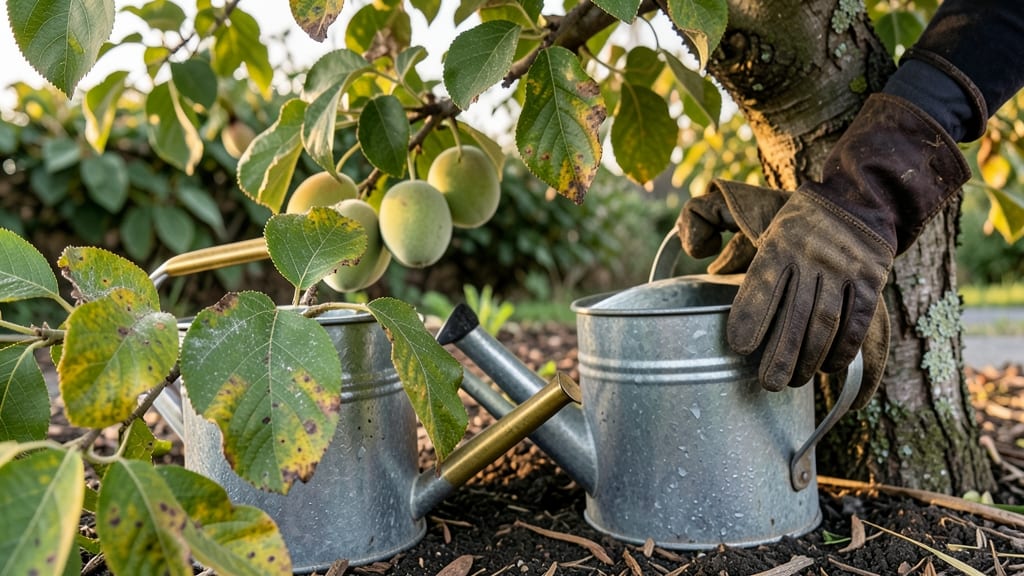
Your peach tree’s peach tree leaf wilt might be screaming for help—before it’s too late. 🌿 The moment you spot wilting, discolored patches, or curling edges, you’re already racing against time to save your harvest.
I’ve nursed back trees that looked ready for the compost pile, and the first step is figuring out whether your tree is thirsty, infected, or under siege from pests.
Most wilting starts with one of three culprits: fungal diseases like peach leaf curl or bacterial spot (look for yellow spots with dark borders), environmental stress from drought or heat (leaves turn crispy at the edges), or pests like borers or spider mites (tiny webs or sawdust-like frass).
The good news? Each has a targeted fix—from pruning out infected branches to adjusting watering routines or applying neem oil for pests. You’ll spot the difference within days if you act fast.
Start by giving your tree a deep drink of water if the soil feels dry, then inspect the leaves up close for telltale signs. Fungal spots? Scrape off any curled, gummy patches and spray with copper fungicide.
Pest damage? Knock off mites with a strong spray of water, then treat with insecticidal soap. Within a week, you’ll see new growth pushing through, and your tree’s canopy will bounce back to that lush, sun-drenched glory.
Prevention is where the real magic happens—mulch heavily to retain moisture, prune in late winter to improve airflow, and monitor for early signs of stress. Once you’ve revived your tree, keep an eye out for those first hints of trouble next season.
A healthy peach tree isn’t just about fruit; it’s about the way it stands tall, leaves shimmering in the sunlight, year after year.
Root Causes Behind Wilted Leaves
Understanding why your peach tree’s leaves are wilting starts with identifying the underlying stress factors. Peach trees are resilient, but when their needs aren’t met—or when pests and diseases strike—they respond with drooping, yellowing, or crispy foliage.
Below, we break down the scientific triggers behind leaf wilt, so you can diagnose the issue like a pro.
Peach trees thrive in moderate moisture, but extremes—whether drought or waterlogging—can trigger wilting. Here’s how it happens:
- Underwatering (Drought Stress): Peach trees have deep roots that pull water from the soil. When the top 2–3 inches of soil feel bone-dry, the tree can’t keep up with transpiration (water loss through leaves).
Cells lose turgor pressure, causing leaves to droop and curl—often starting at the edges. - Actionable sign: Soil pulls away from the pot (if potted) or cracks when dry. Leaves feel papery to the touch.
- Overwatering (Root Suffocation): Peach trees hate soggy roots. Excess water displaces oxygen in the soil, leading to anaerobic conditions where roots can’t respire properly. This triggers ethylene production, a stress hormone that accelerates wilting. - Actionable sign: Yellowing leaves with brown, mushy roots when checked.
Soil smells rotten or stays clammy for days.
- Irrigation Issues: Uneven watering (e.g., sprinklers creating dry spots) causes patchy wilting. Roots on the dry side can’t support the canopy, leading to one-sided droop.
💡 Pro Tip: Water deeply 1–2 times per week (depending on climate) and avoid wetting leaves to prevent fungal diseases. Use a moisture meter for accuracy—aim for 40–60% soil moisture at root level.
Peach trees are temperate-zone plants, meaning they struggle outside their ideal 60–85°F (15–29°C) range. Extreme heat, cold snaps, or sudden changes can shock the tree into wilting.
- Heat Stress (Above 90°F/32°C): High temperatures increase transpiration rates faster than roots can replace lost water. Leaves may also scorch (brown edges) due to oxidative damage from excess sunlight.
- Actionable sign: Wilting peaks midday, then partially recovers in the evening. Leaves feel hot to the touch.
- Cold Damage (Below 20°F/-7°C): Frozen water in plant cells ruptures cell walls, causing blackened, mushy leaves. Even if the tree survives, it may wilt as it struggles to regrow foliage. - Actionable sign: Brown, brittle leaves that stay wilted even when watered.
New growth appears stunted or distorted.
- Windburn & Desiccation: Strong winds strip moisture from leaves faster than roots can supply it. Young trees are especially vulnerable.
- Actionable sign: Wilting worse on windward sides of the tree. Leaves may develop silver-gray patches (a sign of cell death).
🌡️ Pro Tip: Mulch heavily (3–4 inches of organic mulch) to regulate soil temperature. In extreme heat, provide afternoon shade with shade cloth (30–50% coverage). For cold snaps, cover young trees with frost cloth at night.
Pests and pathogens disrupt the tree’s vascular system, blocking water and nutrient flow. Common culprits include:
| Pest/Disease | How It Causes Wilting | Visual Clues |
|---|---|---|
| Peach Tree Borer | Larvae tunnel into the trunk, severing xylem vessels that transport water. | Sawdust-like frass at the base. Oozing sap. Wilting spreads top-down. |
| Aphids/Scale Insects | Sap-sucking pests clog stomata (leaf pores), reducing gas exchange and water uptake. | Sticky honeydew on leaves. Yellow, curled leaves. |
| Verticillium Wilt | Fungal pathogen blocks xylem vessels, causing vascular discoloration (brown streaks). | One-sided wilting. Dark streaks in stem when cut. |
| Root-Knot Nematodes | Microscopic worms damage root hairs, reducing water absorption. | Gall-like lumps on roots. Stunted growth despite regular watering. |
🔥 Pro Tip: Inspect the undersides of leaves and trunk base for pests. For fungal wilt, prune infected branches 6+ inches below the lesion and sterilize tools with rubbing alcohol. Apply neem oil for pests or fungicide (e.g., copper-based) for diseases.
Peach trees need balanced nutrients to maintain turgor pressure. Deficiencies—especially in potassium (K) and calcium (Ca)—weaken cell walls, leading to wilting.
- Potassium (K) Deficiency: Potassium regulates stomatal function and osmotic balance. Without it, leaves lose water rapidly and wilt even with adequate soil moisture.
- Actionable sign: Yellowing leaf edges (scorching) with weak stems. Wilting worsens in heat.
- Calcium (Ca) Deficiency: Calcium strengthens cell walls. A lack causes blossom end rot (in fruit) and wilting new growth because cells can’t hold water.
- Actionable sign: Young leaves wilt and die before unfolding. Brown spots on leaf margins.
- Compacted or Poor Soil: Roots in dense, clay-heavy soil can’t absorb water efficiently, leading to chronic wilting. Peach trees prefer well-draining, slightly acidic soil (pH 6.0–7.0).
- Actionable sign: Surface roots or roots growing in circles. Soil feels hard when dry.
💡 Pro Tip: Test your soil with a home kit or send a sample to a lab. Amend with:
- Potassium: Wood ash or greensand.
- Calcium: Crushed eggshells or gypsum.
- Drainage: Mix in compost or perlite if soil is compacted.
Sometimes, external factors—like over-fertilizing or herbicide drift—trigger wilting.
- Fertilizer Burn: Excess salt (from synthetic fertilizers) disrupts osmotic pressure in root cells, causing them to plasmolyze (shrink and lose water).
- Actionable sign: Yellowing leaves with brown tips. Soil crusts on top (salt buildup).
- Herbicide or Pesticide Damage: Non-selective herbicides (e.g., glyphosate) or overuse of systemic pesticides can disrupt the tree’s cellular processes, leading to wilting.
- Actionable sign: Wilting spreads rapidly after treatment. Bleached or distorted leaves.
- Transplant Shock: Moving a peach tree disturbs root systems, reducing water uptake. New roots take 4–6 weeks to establish.
- Actionable sign: Wilting within 1–2 weeks of transplanting. Leaves yellow and drop despite watering.
✨ Pro Tip: If you suspect chemical damage, flush the soil with water (for salts) or avoid further treatments for 30 days. Use organic fertilizers (e.g., compost tea) to reduce burn risk.
Reviving Your Peach Tree’s Health
Now that you know the common causes behind your peach tree’s drooping leaves, it’s time to take action! Whether it’s a watering issue, disease, or pest attack, these practical solutions will help you nurse your tree back to full, vibrant life—without overwhelming you with complicated steps.
Below, we’ve mapped out cause-specific fixes, along with prevention tips to keep your tree thriving long-term.
If your peach tree’s leaves are wilting due to improper watering, the solution is simpler than you think—but timing and technique matter.
🔥 Step 1: Assess the Soil Moisture
Before you water again, check the soil 2–3 inches below the surface. Stick your finger in—if it feels dry, it’s time to water. If it’s soggy, hold off to avoid root rot.
👨🍳 Step 2: Water Deeply and Infrequently
Peach trees hate shallow, frequent watering.
Instead: - Water slowly (1–2 hours per session) to encourage deep root growth. - Water at the base, not the leaves, to prevent fungal diseases. - Use a soaker hose or drip irrigation for even distribution.
🥘 Step 3: Improve Drainage (If Needed)
If your tree is in clay soil or a low-lying area where water pools, amend the soil with:
- Compost (to improve aeration)
- Sand or perlite (for better drainage)
- Mulch (2–3 inches around the base, but keep it 6 inches away from the trunk)
⏰ Prevention Tips for Future Seasons
✅ Water in the early morning to reduce evaporation. ✅ Monitor weather patterns—adjust watering during heatwaves or droughts. ✅ Avoid overhead sprinklers—they can promote leaf diseases.
Fungal diseases like brown rot or powdery mildew can turn your peach tree’s leaves into a sad, wilted mess. Here’s how to fight back naturally and chemically.
🔥 Step 1: Remove Infected Leaves & Fruit
- Prune away any leaves with spots, blotches, or mold.
- Dispose of them in the trash (not the compost)—fungi can survive in compost piles.
- Thin out overripe or mummified fruit (common with brown rot).
🍳 Step 2: Apply Fungicides (Organic or Chemical)
| Fungus | Organic Fix | Chemical Fix |
|---|---|---|
| Brown Rot | Baking soda spray (1 tbsp baking soda + 1 quart water + a drop of dish soap) | Captan or sulfur-based fungicides |
| Powdery Mildew | Neem oil spray (1 tsp neem oil + 1 quart water + mild soap) | Potassium bicarbonate |
| Leaf Spot | Copper fungicide (follow label instructions) | Chlorothalonil (Daconil) |
Spray in the early morning or evening when bees aren’t active.
🥘 Step 3: Improve Air Circulation
- Prune dense branches to allow sunlight and airflow.
- Space trees properly (15–20 feet apart for peach trees).
- Avoid overhead watering—water at the base instead.
🎯 Prevention Tips for Next Season
✅ Plant resistant varieties (e.g., ‘Redhaven’ or ‘Elberta’ peaches are less prone to brown rot). ✅ Clean up fallen leaves and debris in autumn. ✅ Apply a preventive fungicide spray in early spring before blooms appear.
Pests like aphids, spider mites, or peach tree borers can suck the life out of your tree, leading to wilting and stunted growth. Here’s how to evict them for good.
🔥 Step 1: Identify the Culprit
- Aphids: Tiny green/black bugs clustering on new growth.
- Spider mites: Fine webbing on undersides of leaves.
- Borers: Sawdust-like frass near the trunk or branches.
🍳 Step 2: Manual Removal & Natural Sprays
- Aphids & Spider Mites:
- Blast them off with a strong stream of water.
- Spray with insecticidal soap (1 tbsp soap + 1 quart water).
- Release ladybugs or lacewings (natural predators).
- Borers:
- Scrape out larvae from tunnels with a screwdriver.
- Apply horticultural oil (dormant season) or Bt (Bacillus thuringiensis) spray.
🔪 Step 3: Strengthen the Tree’s Defenses
- Fertilize with balanced NPK (10-10-10) in early spring.
- Avoid overwatering—stressed trees attract pests.
- Wrap young trunks with tree guard to deter borers.
💡 Prevention Tips for Long-Term Pest Control
✅ Inspect trees weekly during growing season. ✅ Encourage beneficial insects (plant marigolds or dill nearby). ✅ Prune in late winter to remove pest hiding spots.
Sometimes, extreme temperatures or nutrient deficiencies cause wilting. Here’s how to adjust care for a resilient peach tree.
🔥 Step 1: Adjust Watering for Heatwaves
- Water deeply 2–3 times per week during extreme heat.
- Use mulch to retain moisture and cool roots.
- Provide shade cloth (30–50%) if your tree is young.
🥗 Step 2: Test & Amend Soil
- Get a soil test to check pH (ideal: 6.0–6.5 for peaches).
- Add compost or aged manure for nutrients.
- Avoid heavy nitrogen fertilizers—they promote leafy growth but weaken fruit production.
✨ Step 3: Protect from Frost & Cold Drafts
- Wrap young trees with burlap or frost cloth in winter.
- Avoid planting in low spots where cold air settles.
- Use windbreaks if your tree is exposed to harsh winds.
🎯 Prevention Tips for Environmental Resilience
✅ Choose the right variety for your climate (e.g., ‘Relenta’ for heat tolerance). ✅ Mulch heavily in winter to insulate roots. ✅ Monitor weather forecasts and adjust care accordingly.
If your peach tree shows severe wilting, oozing sap, or large dead branches, it might need a certified arborist. Don’t hesitate—early intervention saves trees!
By following these targeted solutions, your peach tree should bounce back in weeks (for pests/diseases) to a full season (for soil/environmental fixes). Keep an eye on it, adjust as needed, and soon you’ll be enjoying juicy peaches and lush green leaves again! 🍑🌿
Frequently asked questions about peach tree leaf wilt
Why are my peach tree leaves wilting only on one side?
One-sided wilting usually signals vascular disease like Verticillium wilt or root damage from nematodes. Check the trunk for dark streaks when cut—if present, the fungus blocks water transport. Also inspect roots for galls (nematodes) or compacted soil restricting uptake.
Can I save my peach tree if the wilting started 2 weeks ago?
Yes! Act fast with deep watering (2–3 gallons at the base) and fungicide (copper-based) if spots appear. Prune dead branches immediately and mulch to retain moisture. Most trees recover in 4–6 weeks with consistent care—just avoid fertilizing until new growth appears.
What’s the difference between heat stress and fungal wilt?
Heat stress causes midday wilting that recovers at night with crispy edges, while fungal wilt spreads top-down and leaves stay droopy. Check for yellow spots with dark borders (fungal) vs. uniform browning (heat). Fungal wilting often appears after rain or high humidity.
Is it safe to use household vinegar as a fungicide?
No—vinegar’s acidity (pH 2–3) burns leaves and disrupts soil microbes. Instead, mix 1 tbsp baking soda + 1 quart water + dish soap for a gentle fungicide. Spray undersides of leaves in the evening to avoid harming beneficial insects.
How do I know if my peach tree is beyond saving?
Look for large dead branches, oozing sap, or no new growth after 3 months of care. If the trunk is soft or hollow (tap it—hollow sounds hollow), the tree’s structural integrity is compromised. In this case, remove it to prevent spreading disease to nearby plants.