
Pruning
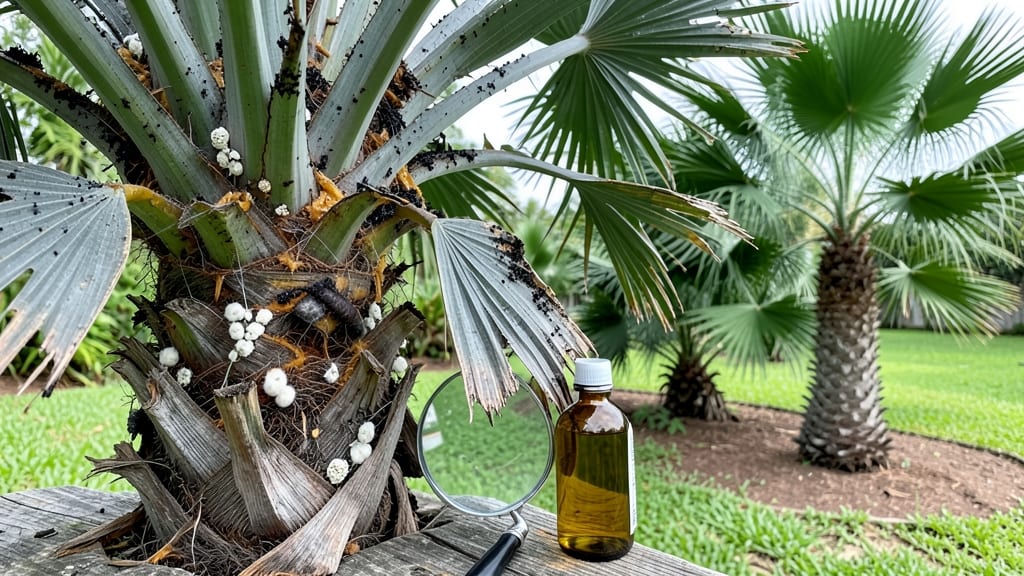
Palm tree pests can turn your tropical oasis into a battleground—before you know it, those fronds are yellowing and your tree’s health is at risk. 🌿 I’ve seen palm weevils reduce a 20-foot tree to a hollow shell in months, and spider mites turn leaves crispy in weeks.
The key to saving your palm isn’t panic—it’s early action, which starts with knowing what’s attacking it and how to stop it fast.
Most damage comes from three main culprits: palm weevils (the silent killers), spider mites (the tiny web-spinners), and scale insects (the sticky invaders). Weevils bore into the trunk, leaving sawdust-like frass, while mites and scale suck sap, causing leaf discoloration and stunted growth.
The good news? Catching these pests early—before they spread—means you can often save your tree with simple treatments like neem oil, insecticidal soap, or targeted systemic pesticides.
What you’ll get from this guide is a step-by-step plan to inspect, identify, and treat pests before they take hold. We’ll cover organic first-line defenses, when to pull out the heavy chemical artillery, and the red flags that mean it’s time to call an arborist.
Your palm’s future depends on acting now—before the damage becomes permanent.
Whether you’re dealing with a single frond issue or a full-blown infestation, the right approach makes all the difference. Let’s get your palm back to thriving, not struggling.
Why it happens
H2: Root Causes Of Palm Infestations
Palm trees, with their lush fronds and tropical charm, can quickly become battlegrounds for pests if left unchecked. But why do these critters target your palms in the first place?
The answer lies in a mix of environmental factors, tree health, and pest behavior. Understanding these triggers is the first step to stopping an infestation before it starts.
🌱 Weakened Tree Defense Systems
Just like humans, palm trees rely on a strong immune system to fend off invaders. When a palm tree is stressed—due to poor soil, drought, overwatering, or nutrient deficiencies—its natural defenses weaken. Pests like palm weevils and red palm mites detect this vulnerability and strike.
For example:
- Drought stress: Dry conditions make sap sweeter, attracting sap-sucking pests like mealybugs and scale insects.
- Overwatering: Waterlogged roots create ideal conditions for fungal diseases, which in turn attract secondary pests like thrips.
- Nutrient deficiencies: A lack of magnesium or potassium weakens fronds, making them easier targets for palm aphids.
💡 Pro Tip: Regularly check your palm’s soil moisture and leaf color. Healthy fronds should be vibrant green, and soil should be slightly damp but not soggy.
🌡️ Climate And Seasonal Triggers
Pests thrive in specific conditions, and Florida’s warm, humid climate is a buffet for many of them. Here’s how seasons play a role:
Season
Pest Activity
Why It Happens
Spring
Palm weevils, mealybugs
Warmer temps kickstart breeding cycles, and new growth is tender and vulnerable.
Summer
Red palm mites, thrips
High humidity and heat accelerate pest reproduction and spread.
Fall
Scale insects, aphids
Cooler temps slow tree growth, making them easier prey.
Winter
Palm borers (larvae survive in bark)
Mild winters in Florida allow pests to remain active year-round.
🌡️ Key Insight: Pests like red palm mites multiply fastest in temperatures above 80°F. If your palms are near heat sources (like pavement or rooftops), they’re at higher risk.
🏡 Human Activity And Landscape Factors
Sometimes, the problem isn’t nature—it’s us. Poor landscaping practices or nearby infestations can turn your yard into a pest magnet.
- Overcrowded palms: Dense plantings trap moisture and create hiding spots for pests like palm weevils.
- Debris buildup: Old fronds, mulch piles, or dead palm material provide shelter for pests and their eggs.
- Nearby infested trees: If a neighbor’s palm is overrun with mealybugs, wind can carry them to your trees.
- Improper pruning: Cutting fronds too close to the trunk creates entry points for palm borers.
✨ Prevention Hack: Keep a 3-foot clearance around your palm’s base. Remove fallen fronds promptly, and avoid piling mulch directly against the trunk.
🐛 Natural Pest Behavior And Life Cycles
Some pests target palms because of their biology. For instance:
- Sap-suckers (mealybugs, scale): These pests inject toxins into the tree while feeding, causing fronds to yellow or curl. They’re drawn to the high-sugar sap of stressed palms.
- Boring pests (palm weevils, rhinoceros beetles): Female weevils lay eggs in palm crowns, and larvae burrow into the heart, cutting off nutrient flow. Warm, decaying organic matter (like old fronds) attracts them.
- Spider mites: They thrive in dry conditions and spin webs on fronds, blocking sunlight and weakening the tree.
🔍 Tell-Tale Sign: Look for frass (insect droppings) at the base of fronds—a sure sign of boring pests like palm weevils.
Quick Fixes for Common Palm Tree Invaders
Palm trees are stunning tropical icons, but pests can turn them into a battleground. The good news? Most problems have clear, actionable solutions—whether you’re dealing with hungry beetles, fungal threats, or sap-sucking insects.
Below, we break down cause-specific fixes, from immediate action to long-term prevention, so your palms stay lush and pest-free.
---
These burrowing beetles are silent killers, tunneling through trunks and fronds until the tree collapses. Act fast—once symptoms (wilting, oozing sap, or frond browning) appear, it’s often too late for some palms.
#### 🔥 Emergency Treatment (Active Infestation) - 👨🍳 Inspect & Remove: Wear gloves and check the base of the trunk and underside of fronds for larvae, pupae, or adult beetles.
Drop them in soapy water (1 tbsp dish soap per gallon) to kill them instantly. - 🔪 Prune Infected Areas: Cut away blackened or hollow fronds with sterilized pruners, then dispose of them in sealed bags (not your yard waste—these beetles spread!). - 💉 Inject Systemic Insecticide: For severe cases, use a boron-based injectable treatment (like Bayer Advanced Palm Tree Insect Killer) or consult a licensed arborist for soil drenches with imidacloprid or fipronil.
#### 🛡️ Prevention (Keep Them Out for Good) - 🌡️ Monitor & Trap: Place pheromone traps (like Contech Rhino Lure Traps) near your palms to catch adults before they lay eggs. - 🌿 Mulch & Moisture Control: Keep the soil 2–3 inches away from the trunk—these beetles love damp, mulch-heavy bases.
Use gravel or palm-safe mulch instead. - 💡 Pro Tip: Neem oil spray (1 tsp per quart of water) can deter beetles when applied weekly during breeding seasons (spring/summer).
---
Fungi like Ganoderma (white rot) or Thielaviopsis (bud rot) thrive in wounds or overwatered palms. Left unchecked, they’ll mummify your tree from the inside out.
#### 🍳 Treatment Steps - 🌧️ Adjust Watering: Water deeply but infrequently—palms hate soggy roots.
Let the top 4–6 inches of soil dry out between waterings. - 🧼 Sterilize Wounds: If you prune, disinfect cuts with a 10% bleach solution (1 part bleach to 9 parts water) to prevent fungal entry. - 💊 Apply Fungicide: Use a copper-based fungicide (like Copper Soap) or propiconazole (for Thielaviopsis) every 4–6 weeks during rainy seasons.
#### 🛡️ Prevention Tips - ✨ Avoid Over-Pruning: Only remove dead or diseased fronds—healthy fronds shade the trunk, reducing fungal spores. - 🌿 Improve Airflow: Thin out overcrowded palms and remove nearby debris (like fallen fronds) where fungi lurk.
---
These tiny menaces drain sap, causing yellowing fronds, sticky residue ("honeydew"), and sooty mold. They multiply fast—catch them early!
#### 🔪 Immediate Control - 🚿 Blast Off with Water: Spray forceful streams of water (from a hose nozzle) to knock them off fronds—daily for 3–5 days during outbreaks. - 🧴 Soap Spray: Mix 1 tbsp insecticidal soap or neem oil with 1 quart of water, then spray undersides of fronds (where they hide).
Repeat every 5–7 days. - 🕷️ Introduce Beneficial Insects: Release lacewings or ladybugs (available at garden centers) to eat mites naturally.
#### 💡 Long-Term Defense - 🌡️ Stress Reduction: Underwatering or drought stress attracts mites. Water deeply 2–3 times per week in dry climates. - 🎯 Yellow Sticky Traps: Hang yellow cards coated with Tanglefoot near palms to catch flying adults.
--- | Task | How Often | Why It Works | |-------------------------|---------------------|-------------------------------------------| | Inspect fronds/trunks | Weekly (spring-fall)| Catches pests before they spread. | | Prune dead fronds | As needed | Removes hiding spots for beetles/fungi. | | Apply neem oil | Monthly (dry season)| Deters mites, beetles, and fungi. | | Check traps | Weekly | Early warning for beetle outbreaks. | | Aerate compacted soil | Annually | Reduces fungal growth in waterlogged areas. |
--- 💡 Final Pro Tip: When in doubt, consult a local palm specialist—some pests (like the palm weevil) require professional-grade treatments to save mature trees. Early action is your best defense!
Frequently asked questions about palm tree pests
How do I tell if my palm tree has a pest problem?
Look for these red flags: yellowing fronds, sticky residue (honeydew), tiny webs on undersides, or sawdust-like frass near the trunk. Palm weevils create hollow sounds when tapped, while spider mites cause bronze or silver speckling on leaves. Check the trunk base and frond undersides weekly during warm months.
Can I use household items to treat palm pests?
Yes! For mild infestations, try these DIY solutions: Mix 1 tablespoon dish soap with 1 quart of water for spider mites, or use neem oil spray (1 tsp per quart) for weevils and scale. Soap sprays work best when applied directly to pests in early morning or evening. Always test on a small area first.
When should I call a professional for palm tree pests?
Contact an arborist if you see fronds suddenly wilting, oozing sap from the trunk, or large beetles (like palm weevils). These signs often mean the pest has already caused irreversible damage. Professionals can inject systemic pesticides or use specialized equipment for severe cases that DIY methods can't handle.
How often should I inspect my palm trees for pests?
Inspect your palms weekly during spring and summer (peak pest season) and monthly in fall/winter. Focus on the trunk base, frond undersides, and new growth areas. Early detection is key—catching pests before they spread can save your tree with minimal treatment.
Will pruning help prevent palm tree pests?
Regular pruning removes hiding spots for pests and improves airflow. Remove dead or yellow fronds immediately, and avoid piling mulch against the trunk. Proper pruning also helps your palm stay healthy, making it more resistant to infestations. Always use sterilized tools to prevent spreading diseases.