
Trees
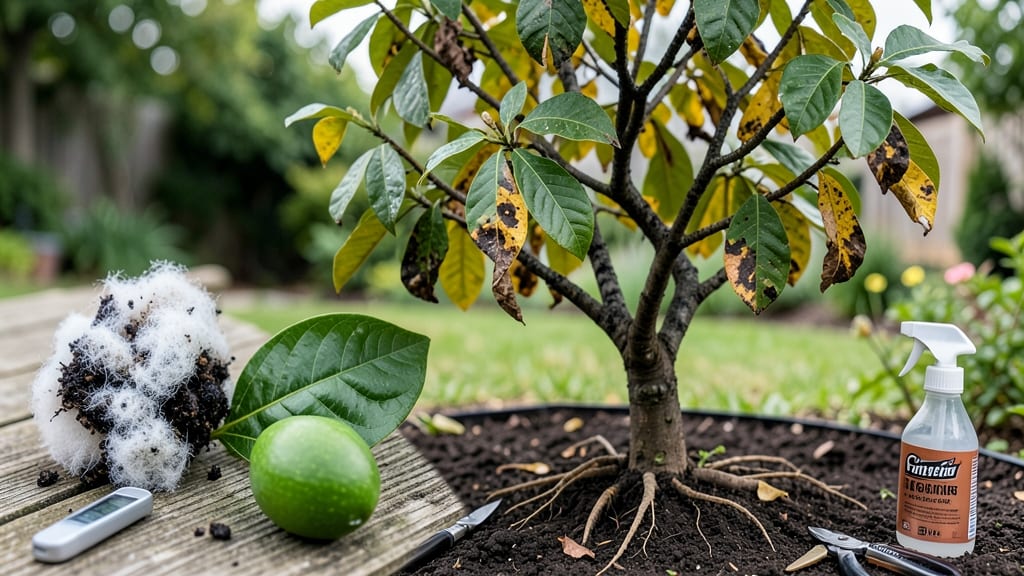
See those black spots and sudden leaf drop on your mango tree fungus? That’s fungus—and copper spray is the game-changer you need. 🌿 I’ve battled this exact problem with my backyard tree, and the right treatment stops the spread within weeks.
The key is acting fast before the disease moves to fruit or roots.
Fungal infections like black spot and anthracnose thrive in warm, humid conditions—exactly where mango trees love to grow. You’ll spot dark patches on leaves, yellowing edges, and leaves falling prematurely.
Left untreated, the tree weakens, reducing fruit yield and even risking branch dieback. The good news? Copper-based fungicides disrupt fungal spores without harming the tree.
With proper application, you’ll see new growth emerge within 2-3 weeks, and existing leaves stop dropping. The spray creates a protective shield that lasts through rain, so you won’t need constant reapplication. Plus, it’s safe for pollinators once fully dry—just avoid spraying during bloom time.
Works for home gardeners in tropical and subtropical zones, whether you’re dealing with a young tree or a mature one. Here’s how to diagnose, treat, and prevent future outbreaks—no guesswork involved.
Underlying Causes of Tree Fungus
Fungal infections in mango trees—like black spot or leaf drop—don’t just appear out of nowhere. They thrive due to a mix of environmental, biological, and even human-related factors.
Understanding these root causes is the first step to preventing and treating them effectively. Let’s break down the science behind why your mango tree might be under siege.
---
Fungi love water—literally. Overhead irrigation, heavy rainfall, or soil that doesn’t drain well create the perfect breeding ground for spores. Here’s why: - Prolonged leaf wetness: Fungal spores (like those causing Anthracnose or Powdery Mildew) germinate and spread when leaves stay damp for more than 6–12 hours.
This is why morning dew or frequent rain can trigger outbreaks. - Waterlogged roots: Poor drainage leads to root rot (often caused by Phytophthora or Fusarium), weakening the tree’s immune system and making it susceptible to secondary fungal infections. - Humidity traps: Dense foliage or shaded areas trap moisture, creating microclimates where fungi flourish.
If your mango tree is planted in a low-lying spot or near a water source, fungal spores have a field day.
Actionable fix: Improve drainage by amending soil with sand or compost, avoid overhead watering, and prune branches to increase airflow.
---
A healthy mango tree has natural defenses—like cutin (a waxy layer on leaves) and antifungal compounds in its sap. But when these defenses weaken, fungi exploit the opportunity: - Nutrient deficiencies: Lack of zinc, magnesium, or nitrogen stresses the tree, making it easier for pathogens to invade.
Yellowing leaves (chlorosis) or stunted growth are red flags. - Physical damage: Cuts from pruning, insect bites (e.g., mango hoppers or thrips), or hail wounds create entry points for fungi.
Even sunburn (from sudden exposure) can compromise the tree’s skin. - Old age or stress: Mature trees or those recovering from drought, extreme heat, or transplant shock are more vulnerable. Fungi like Colletotrichum (black spot) target stressed tissue first.
Actionable fix: Conduct a soil test to address deficiencies, sterilize pruning tools with rubbing alcohol, and apply mulch to protect roots from temperature fluctuations.
---
Fungi spread like wildfire in crowded orchards or neglected gardens. Here’s how: - Contaminated tools or soil: Fungal spores can linger in old mulch, pruned debris, or unsterilized shears for years.
Reusing infected material is like rolling out the red carpet for pathogens. - Weeds and ground cover: Plants like nutgrass or bindweed harbor fungal spores and compete with mango trees for nutrients, weakening their resistance. - Monoculture planting: Growing only mango trees in a row increases the spore load in the air, making cross-contamination inevitable.
Actionable fix: Remove and destroy infected leaves/debris (don’t compost them!), rotate crops if possible, and sanitize tools between trees with a 10% bleach solution.
--- Temperature and humidity play a huge role in fungal outbreaks. For example: - Warm, humid weather (75–85°F): Ideal for Powdery Mildew and Alternaria spores to germinate.
If your region has long, sticky summers, fungi have a head start. - Sudden temperature drops: Cold nights followed by warm days create condensation on leaves, mimicking a fungal spa retreat. - High rainfall or flooding: While mango trees need water, excessive moisture washes away protective waxes and dilutes antifungal compounds in the tree’s bark.
Actionable fix: Choose disease-resistant mango varieties (like ‘Keitt’ or ‘Kent’), prune for sunlight exposure, and use shade cloth during extreme heat/humidity.
--- Some insects don’t just damage mango trees—they spread fungal spores like a bad influencer: - Mango hoppers: Their saliva contains yeast-like organisms that weaken leaves, making them prime targets for sooty mold. - Thrips and mites: Feed on sap, creating sticky honeydew that fosters black mold and smut fungi. - Borers: Weakened wood from borer tunnels invites wood-rotting fungi like Ganoderma.
Actionable fix: Introduce beneficial insects (like ladybugs or lacewings), apply neem oil (a natural fungicide/insecticide), or use sticky traps to monitor pest populations.
--- Pruning is essential, but bad technique can backfire: - Cutting too late in the season: Pruning during monsoon season or when new growth is tender invites infections. - Leaving stubs: Jagged cuts or stubs trap moisture and debris, creating fungal hotspots. - Over-pruning: Removing too many branches stresses the tree, reducing its ability to fight off pathogens.
Actionable fix: Prune during the dry season, use clean, sharp tools, and make cuts just outside the branch collar (the swollen area where the branch meets the trunk).
Quick Fixes for Fungal Woes
Fungal infections on your mango tree can feel like a silent thief—stealing leaves, fruit, and even the tree’s vitality. But don’t panic! With the right approach, you can revive your tree and keep future outbreaks at bay.
Below, we break down practical solutions tailored to the most common fungal issues, from black spot to leaf drop, plus prevention tips to protect your hard work.
---
Black spot is the most notorious fungal villain, turning leaves into a sad, spotted mess. Here’s how to stop it in its tracks:
#### 🔥 Immediate Action: Prune & Spray 1. Remove infected foliage 🌿 - Snip off yellowing or spotted leaves with clean, sharp shears. - Dispose of them in a sealed bag (don’t compost—fungus spreads easily!).
2. Apply a copper-based fungicide 💊 - Best options: Bordeaux mixture, copper sulfate, or neem oil (organic choice). - How to spray: - Mix 1 tbsp copper sulfate per gallon of water (follow product instructions). - Spray early morning or late evening (avoid direct sunlight—it burns leaves). - Cover both sides of leaves and the tree trunk thoroughly.
3. Boost airflow 🌬️ - Thin out dense branches to reduce humidity (fungus loves dampness). - Space trees 6–10 feet apart for better air circulation.
#### 🌡️ Prevention for Next Season - Water at the base (avoid wetting leaves—use a drip irrigation system). - Mulch properly (2–3 inches of organic mulch, but keep it 6 inches away from the trunk). - Fertilize wisely (too much nitrogen = weaker defenses; use a balanced 10-10-10 formula).
---
Powdery mildew coats leaves in a white, dusty film, causing them to yellow and fall prematurely.
#### 🍳 Organic Remedies First 1. Baking soda spray 🧂 - Mix 1 tsp baking soda + 1 tbsp vegetable oil + 1 tsp mild soap per quart of water. - Spray every 7–10 days until symptoms disappear.
2. Neem oil treatment 🌿 - 1% neem oil solution (1 tbsp per gallon of water + a drop of dish soap as an emulsifier). - Apply at dusk to avoid leaf burn.
#### 👨🍳 Chemical Backup (If Needed) - Sulfur-based fungicides (like Liqui-Cop) work well but avoid if temps exceed 85°F (it can damage leaves). - Repeat sprays every 2 weeks until new growth is healthy.
#### 🎯 Long-Term Defense - Prune for sunlight (overcrowded trees = mildew paradise). - Avoid overhead watering (use soaker hoses instead). - Plant resistant varieties (like ‘Keitt’ or ‘Haden’ mangoes, which tolerate mildew better).
---
Fungal rot on mangoes (like stem-end rot) turns fruit mushy and inedible. Act fast!
#### ⏰ Early Intervention 1. Remove rotting fruit immediately 🚫🍈 - Pick off any soft, discolored mangoes before the fungus spreads.
2. Copper or potassium bicarbonate spray 🛡️ - Mix 1 tbsp potassium bicarbonate + 1 tsp dish soap per gallon of water. - Spray fruits and branches every 10–14 days during fruiting season.
#### 🔪 Prune & Sterilize Tools - Cut out infected branches (fungus can hide in cracks). - Sanitize pruners with 70% rubbing alcohol between cuts.
#### 🌱 Soil & Tree Care - Reduce nitrogen (too much = weak fruit skin). - Improve drainage (fungus thrives in soggy soil—raise beds if needed).
---
- 🌡️ Monitor humidity (fungus loves 70%+ moisture—use a dehumidifier in greenhouses). - 🔄 Rotate fungicides (don’t use the same one repeatedly—fungus builds resistance). - 🍃 Strengthen your tree (apply compost tea every 2 months for natural immunity). - ✨ Early detection is key—check your tree weekly during rainy seasons.
--- Remember: Fungal issues are manageable, but speed is your best friend. The sooner you act, the healthier your mango tree—and your harvest—will be! 🌳🍈
Frequently asked questions
What are the first signs of fungus on a mango tree?
Watch for dark spots on leaves (black spot), white powdery coatings (mildew), or yellowing edges that eventually cause leaf drop. Fungal infections often start with small lesions that expand quickly in warm, humid conditions. Check the undersides of leaves first—they’re prime fungal hotspots.
Can I use household items like vinegar or baking soda to treat mango tree fungus?
Yes, but with caution! A 1% baking soda solution (1 tsp baking soda + 1 tbsp oil + 1 tsp soap per quart of water) works for powdery mildew, while white vinegar (1:1 with water) can help as a preventative rinse. However, neither replaces copper fungicides for severe infections—use them as supplements during early stages only.
How often should I spray fungicide on my mango tree?
Apply fungicide every 7–14 days during active growth (spring/summer) or after heavy rains. For prevention, 2-3 sprays per season suffice. Always spray early morning or evening to avoid leaf burn, and reapply after rain since water washes away the protective layer.
Will pruning alone stop fungus from spreading?
No—pruning removes infected parts but won’t stop spores from lingering in the environment. Always pair pruning with fungicide treatment and sterilize tools between cuts. Dispose of pruned debris in sealed bags (never compost infected material) to prevent reinfection.
Can I still harvest fruit from a tree with fungus?
Only if the fungus is limited to leaves and hasn’t reached the fruit. Remove any spotted or rotting mangoes immediately—they’ll spread spores. For existing fruit, wash thoroughly before eating, but avoid consuming heavily infected produce as some fungi produce toxins.