
Blooming
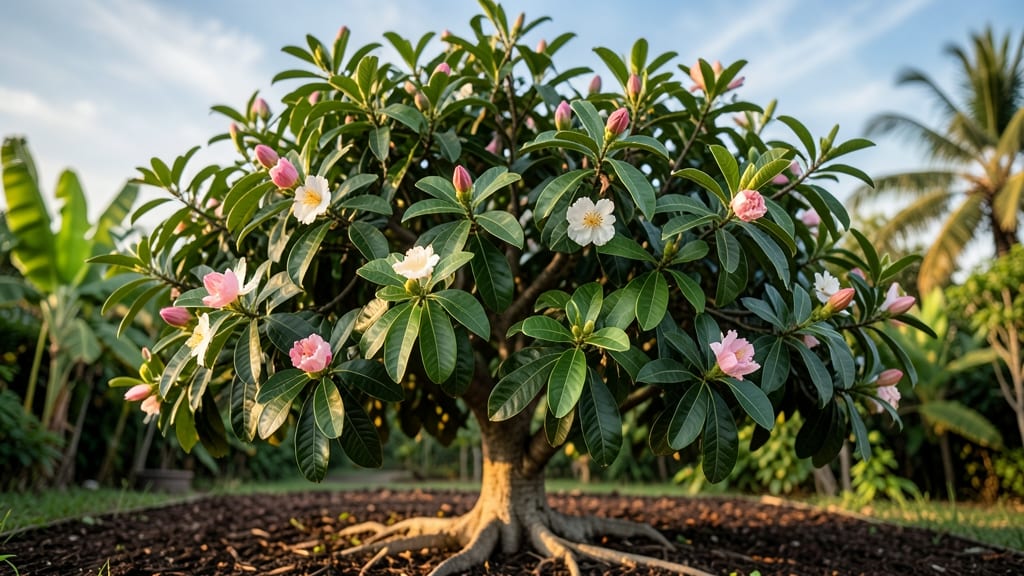
Understanding the mango tree flowering stages 🌴 is the difference between a handful of fruit and a bountiful harvest.
Picture this: your mango tree bursts into clusters of tiny buds, only for them to drop before they even bloom. Frustrating, right? That’s why knowing each stage—from bud formation to fruit set—isn’t just helpful, it’s essential for maximizing your yield.
In this guide, I’ll walk you through what to expect at every step, including how climate, pruning, and even your watering habits play a role. You’ll also learn the telltale signs of healthy flowering (and what to do if things go wrong).
By the end, you’ll have a clear roadmap to turn those delicate blossoms into juicy, ripe mangoes—no guesswork required.
The 4 critical stages of mango tree flowering and their timing
Understanding your mango tree's flowering stages is essential for predicting fruit production and troubleshooting issues. Each stage—from bud formation to fruit set—requires specific conditions to ensure success.
In tropical regions like Florida or Hawaii, flowering typically occurs in late spring to early summer, while subtropical areas (e.g., Southern California) may see blooms in winter or early spring. Timing varies by variety, but mastering these stages helps maximize your harvest potential.
Mango trees are evergreen perennials, meaning they flower annually, but their cycles depend heavily on climate and care. For example, Alphonso mangoes bloom in February-March, while Keitt varieties may flower in May-June.
Regional differences—like humidity in Southeast Asia versus arid conditions in Australia—also influence flowering patterns. Let’s break down each stage to help you anticipate and support your tree’s needs.
| Stage | Description | Seasonal Timing (Tropical) | Seasonal Timing (Subtropical) | Key Care Focus |
|---|---|---|---|---|
| Bud Formation | Small green buds appear on terminal branches. Requires balanced nutrients and consistent moisture. | Late winter to early spring | Fall to winter | Light pruning, potassium-rich fertilizer |
| Panicle Development | Buds elongate into flower panicles (clustered blooms). Needs pollinators (bees, bats) and stable temperatures. | Early spring | Late winter | Protect from frost, hand-pollinate if needed |
| Blooming | White/pink flowers open; pollen viability peaks. High humidity aids success. | Spring (March-May) | Spring (February-April) | Avoid overwatering, monitor for pests |
| Fruit Set | Flowers drop, and small fruits form. Needs phosphorus for growth. | Late spring to summer | Early summer | Thin fruits if overcrowded, reduce nitrogen |
During the bud formation stage, your mango tree’s branches will sprout tiny, greenish buds that resemble miniature cones. This stage is critical because nutrient deficiencies (like lack of zinc or boron) can stunt bud development.
In my experience, trees in container gardens often need extra micronutrient sprays during this phase. If buds appear weak or sparse, check for root stress or improper pruning from the previous year.
Next comes panicle development, where buds stretch into dense, drooping clusters (panicles) that can reach 6–12 inches long. These clusters are highly sensitive to temperature fluctuations—frost or sudden heat waves can cause buds to drop.
In subtropical zones, like Southern California, growers often use row covers to protect blooms from late-winter frosts. Without proper care, panicles may fail to open, leading to poor fruit set.
The blooming stage is the most visually stunning, with fragrant white or pink flowers covering the tree. Each flower lasts just 24–48 hours, so timing is everything. Bees and bats are your best allies here—plant native pollinator-friendly flowers nearby to attract them.
If your area lacks natural pollinators (common in urban gardens), you may need to hand-pollinate using a small brush to transfer pollen between flowers. This stage also demands balanced watering—too much can cause bud rot, while too little stresses the tree.
Finally, fruit set occurs when flowers drop and tiny fruits begin forming. Not all flowers will set fruit—some varieties like Kent mangoes are parthenocarpic (produce fruit without pollination), while others like Haden rely on cross-pollination. If your tree produces abundant blooms but
How to identify healthy vs. unproductive mango flowering
When your mango tree begins flowering, you’ll notice clusters of small, delicate blooms called panicles. But not all flowering means fruit success. Healthy flowering shows vibrant colors, abundant pollen, and strong growth—while stressed or unproductive flowering may appear weak, sparse, or even drop prematurely.
Understanding these differences helps you maximize fruit production and troubleshoot early.
One of the first signs of healthy flowering is the panicle size. Healthy panicles are compact and dense, with 100–300 flowers per cluster. In contrast, unproductive panicles may be sparse, elongated, or drooping, signaling stress from nutrient deficiencies or water imbalance.
Pay close attention to the flower color too—healthy blooms transition from pale pink to deep pink or cream, while stressed flowers may stay greenish or yellow.
Pollen viability is another critical factor. Healthy mango flowers produce abundant, sticky pollen that easily transfers between blooms. To test this, gently shake a panicle over a white paper or cloth—visible yellow pollen indicates fertility. If pollen is scant or dry, your tree may need better pollination support, like introducing bees or hand-pollinating.
✅ Healthy Mango Flowering
❌ Unproductive Mango Flowering
Environmental factors play a huge role in flowering health. Temperature swings—especially below 60°F or above 95°F—can cause flowers to drop prematurely. Similarly, low humidity or strong winds may hinder pollen transfer.
If your tree is flowering in suboptimal conditions, consider shading young panicles or increasing humidity with misting during dry spells.
Finally, watch for fruit set success after flowering. Healthy pollination leads to small, green fruitlets that stay attached. If fruitlets fall off within 2–3 weeks, it’s a sign of poor pollination, nutrient deficiency, or hormonal imbalance.
In this case, apply a balanced fertilizer (like 6-6-6 NPK) or consider hormone sprays to support fruit retention.
By mastering these visual and physical cues, you’ll catch issues early and give your mango tree the best chance for a bountiful harvest. Keep an eye on those panicles—they’re your first clue to what’s coming next! 🌴