
Blooming
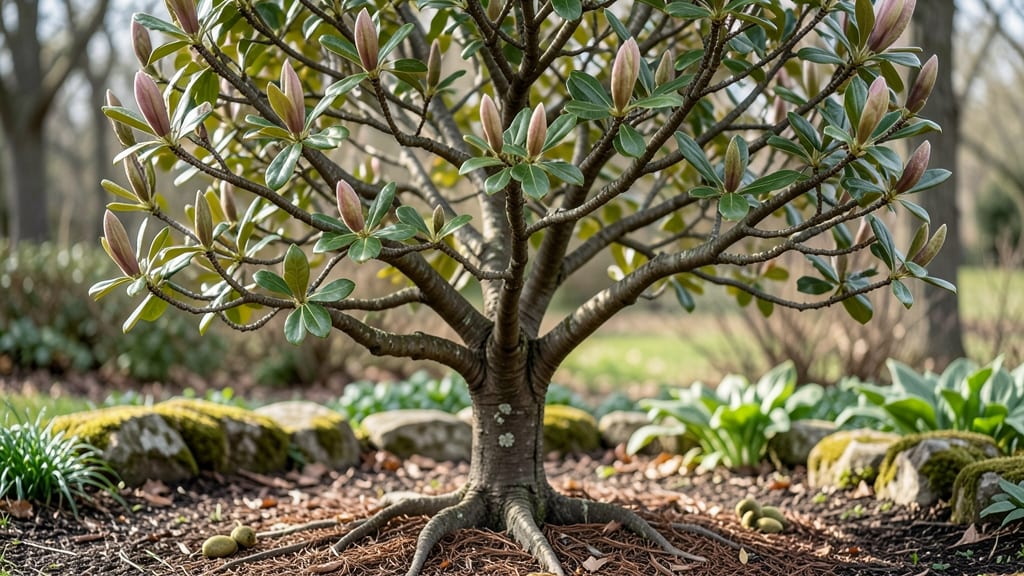
Magnolia trees before bloom are like nature’s best-kept secret—those plump, velvety buds packed with fragrance waiting to burst into stunning flowers. 🌸 I’ve watched my own magnolia transform from a bare-branched winter silhouette to a spring showstopper, and the key to those jaw-dropping blooms starts months before they even appear.
The first clue? Those fuzzy, rose-like buds forming in late winter, signaling the tree’s internal clock is ticking toward its grand performance.
This is when seasonal prep makes all the difference. Prune in late winter (before buds swell) to shape the tree and remove dead wood, but avoid heavy cuts—magnolias bloom on old wood, so less is more.
Amend the soil with compost now to feed roots, and mulch heavily to protect those tender buds from late frosts. Think of it as giving your tree a cozy blanket while it builds energy for its big debut.
By spring, you’ll notice the buds plumping up like green marbles, their scent already hinting at the floral symphony to come. A light watering every 1-2 weeks keeps them happy, but don’t overdo it—magnolias hate soggy roots.
The payoff? When those buds finally split open, you’ll get 6-inch blooms that smell like a Southern spring and last for weeks.
Pro tip: Mark your calendar for late February to early March—this is when buds are most vulnerable to frost damage. A simple frost cloth over the tree on cold nights can save your blooms.
With the right care, your magnolia will reward you with a show that turns heads (and noses) every spring.
📚 In This Guide
- What you need
- Instructions
- Tips and common mistakes
- Wrapping up and next steps
What you need
- ● 1-2 magnolia branches (3–5 feet long, freshly cut or harvested from your tree before buds open). Choose branches with tight, unopened buds for the best fragrance.
- ● 1 large mason jar, vase, or bucket (1–2 gallons capacity, clean and empty). For a rustic look, opt for a clear glass jar; for a modern vibe, try a ceramic vase.
- ● Water (distilled or tap water, room temperature). Use 1 cup of water per 1–2 feet of branch length.
- ○ Floral preservative (optional but recommended). A 1-teaspoon packet extends vase life by 3–5 days.
- ● Sharp pruning shears or scissors (clean, sterilized with rubbing alcohol). Cut branches at a 45-degree angle to maximize water absorption.
- ● Newspaper or paper towels (to line the bottom of your container and absorb excess moisture).
- ○ Twine or floral tape (optional, for securing branches if needed).
- ● Spray bottle with water (to mist branches lightly and maintain freshness).
- ○ Decorative elements (optional): Moss or greenery for a woodland feel
- ● Twine, beads, or ribbon for a boho touch
- ● Small pebbles or activated charcoal (to keep water fresh).
- ● Timing: Harvest branches 2–4 weeks before the magnolia’s expected bloom time (check your local climate zone for cues!).
- ● Safety: Wear gloves if handling thorny branches.
- ● Location: Place your arrangement in a spot with indirect sunlight (e.g., near a window but not in direct rays).
How to prepare your magnolia tree for stunning spring blooms
Spring’s fragrance starts with winter prep—here’s how to set your magnolia up for show-stopping flowers.
🪴 Step 1: Prune for Structure and Health
Start in late winter or early spring, just as buds begin to swell but before new growth appears. I use clean, sharp pruners to remove dead, crossing, or diseased branches first—these are your priorities. Cut just outside the branch collar (the swollen area where the branch meets the trunk) to prevent tearing.
Next, thin out crowded branches to improve airflow and light penetration. Aim for an open, vase-like shape—this lets sunlight reach inner buds and encourages stronger blooms. Never remove more than 25% of the tree’s foliage in one season, or you’ll shock it. Watch for sap bleeding after cuts; this is normal but can attract pests, so clean your tools with rubbing alcohol between cuts.
☀️ Step 2: Test and Amend the Soil
Magnolias thrive in slightly acidic to neutral soil (pH 5.0–7.0). Grab a soil test kit and take samples from 3–4 spots around the tree’s drip line (the edge of its canopy). If your soil is too alkaline (pH above 7.0), mix in 2–3 inches of peat moss or compost into the top 6 inches of soil. For clay-heavy soil, blend in sand or perlite to improve drainage.
Spread a 2–3 inch layer of organic mulch (like pine bark or shredded leaves) over the root zone, keeping it 6 inches away from the trunk. This insulates roots, retains moisture, and slowly feeds the tree. Avoid fresh wood chips—they can rob nitrogen as they break down. Water deeply after amending to settle everything in place.
💧 Step 3: Water Deeply and Strategically
Magnolias hate soggy roots but need consistent moisture, especially during bud formation. Water once a week (or more in dry spells) with 10–15 gallons spread evenly over the root zone. Use a soaker hose or drip irrigation to avoid wetting leaves, which reduces disease risk. You’ll know you’ve watered enough when soil 6 inches deep feels damp—like a wrung-out sponge.
If your tree is newly planted, water every 3–4 days until roots establish (usually 6–12 months). Look for yellowing leaves or wilting buds—these are signs of either underwatering or overwatering. Mulch helps retain moisture, but don’t let it pile up against the trunk; that invites rot.
✂️ Step 4: Fertilize for Bloom Power
Feed your magnolia in early spring (March–April) with a balanced, slow-release fertilizer (like 10-10-10 or 8-3-9). Sprinkle ½ cup of granules around the drip line, then water deeply to activate them. Avoid high-nitrogen fertilizers—they promote leafy growth at the expense of flowers. Repeat in mid-summer with a low-nitrogen, high-phosphorus fertilizer (like 5-10-10) to support bud development.
Organic options like fish emulsion or bone meal work well too. I’ve seen magnolias bloom 2–3 weeks earlier after consistent feeding, and the flowers last longer. Stop fertilizing by mid-summer—new growth won’t harden off before winter, and tender shoots get damaged by frost.
Tips & tricks for perfect magnolia tree preparation
These simple strategies will help you avoid common mistakes and maximize your magnolia's springtime beauty.
Pruning Precision: When you're thinning branches in Step 1, look for branches that cross or rub against each other—they'll create wounds that invite disease. I also recommend pruning on a dry day when temperatures are above freezing; this helps prevent sap bleeding and reduces stress on the tree. Make your cuts at a slight angle just outside the branch collar, and avoid leaving stubs that can trap moisture.
Soil Testing Shortcut: If you don't have a soil test kit, check your local extension office—they often offer free or low-cost testing services. For a quick at-home test, mix equal parts soil and vinegar in a jar. If it fizzes, your soil is alkaline and needs amendment. The ideal pH range of 5.0-7.0 is crucial for nutrient uptake, especially during bud formation when your magnolia needs extra strength to produce those stunning flowers.
Watering Wisdom: The once-a-week watering schedule in Step 3 assumes average rainfall. During drought conditions, you might need to water every 3-4 days instead. Always water deeply—light sprinklings encourage shallow root growth. I've seen magnolias develop root rot from overwatering, so always check that soil 6 inches deep feels like a wrung-out sponge after watering. For newly planted trees, that more frequent watering (every 3-4 days) is critical until roots establish.
Fertilizer Timing: The early spring feeding in Step 4 is your chance to give your magnolia a nutritional boost before bud formation. I've noticed that trees fertilized at this time often produce larger, more abundant blooms. When you apply that ½ cup of fertilizer, spread it evenly around the drip line—this is where most of the feeder roots are located. After application, water deeply to help the nutrients penetrate the soil and reach those roots.
Pro Tips for Magnolia Tree Before Bloom
- These simple strategies will help you avoid common mistakes and maximize your magnolia's springtime beauty.
- Pruning Precision: When you're thinning branches in Step 1, look for branches that cross or rub against each other—th...
- Soil Testing Shortcut: If you don't have a soil test kit, check your local extension office—they often offer free or ...
Frequently asked questions
Got questions about your magnolia tree before bloom? You’re not alone! Here are some of the most common queries—plus quick answers to help you nurture that fragrant future star of your garden.
When should I expect my magnolia tree to bloom?
A magnolia’s bloom timing depends on the variety, but most bloom between late winter and early spring (February–April in temperate zones). Young trees (under 5 years) may take longer—patience is key! Pro tip: Southern magnolias often bloom earlier than their northern cousins.
Why isn’t my magnolia tree blooming yet?
No blooms? Don’t panic! Magnolias need 3–5 years to mature before flowering. Other culprits: too much nitrogen (focus on phosphorus/potassium), lack of sunlight (6+ hours daily), or pruning at the wrong time (avoid cuts after mid-summer). Cold snaps can delay blooms too—just wait and watch!
Can I force a magnolia to bloom earlier?
Nope—magnolias bloom based on internal clocks tied to temperature and daylight. However, you can encourage healthier blooms by: pruning after blooming, mulching in winter, and avoiding heavy fertilizers. Bonus: Some varieties (like ‘Ann’ or ‘Elizabeth’) bloom twice a year with ideal care!
What if my magnolia tree looks dead before blooming?
Check for life signs: Scratch the bark—green underneath means it’s alive! Dormant magnolias (especially in winter) look bare but are just conserving energy. Troubleshoot: If branches are truly dead, prune them in late winter. Yellow leaves? Likely overwatering—let soil dry between waterings.
Are there magnolia alternatives that bloom earlier?
Yes! If you’re eager for color, try these early-blooming shrubs:
- Dwarf Fothergilla (white bottlebrush blooms in March)
- Viburnum (pink clusters in late winter)
- Camellia (fall/winter blooms, shade-tolerant)
- Winter Honeysuckle (fragrant yellow flowers in January)
Wrapping up and next steps
Watching your magnolia tree before bloom is like unwrapping a seasonal gift—each stage reveals its own beauty, from tender buds to the promise of fragrant blossoms. 🌸 By understanding its needs in winter dormancy, early spring awakening, and pre-bloom care, you’ve set the stage for a stunning spring display.
Now, take that knowledge and act: schedule a light pruning session, monitor moisture, and enjoy the quiet magic of anticipation!
🌱 Your Next Step: Celebrate the Process!
Snap a photo of those first buds, share your progress with fellow gardeners, or even sketch the tree’s shape—every detail is part of the journey.
Soon, your magnolia will reward you with show-stopping blooms, and you’ll be the one inspiring others to fall in love with spring’s quiet miracles.