
Pruning
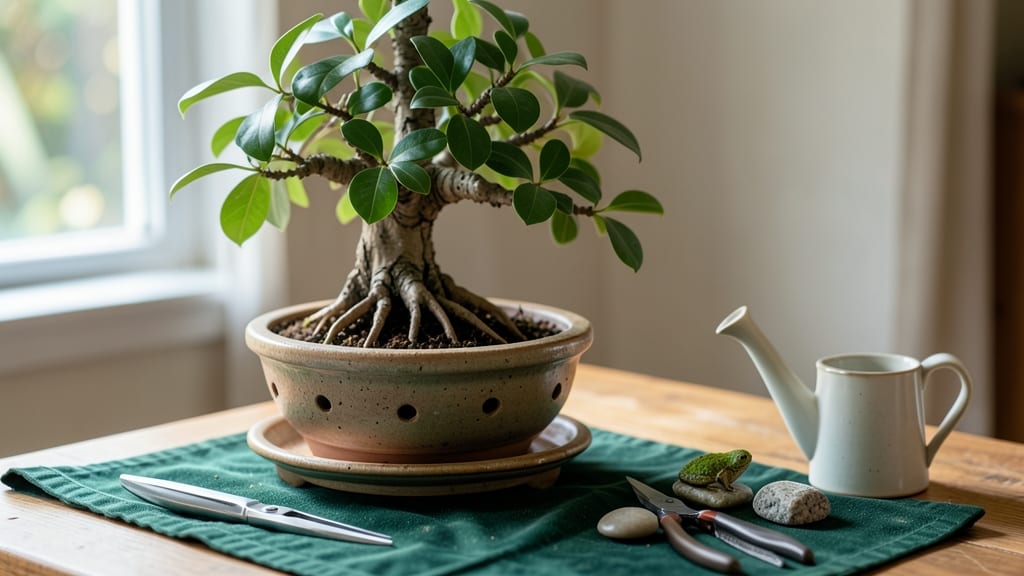
Transforming a decorative urn into a living urn tree options turns ceramic into a thriving centerpiece. 🌿 The right dwarf varieties—like boxwood, juniper, or ficus—bring texture and elegance to patios, doorsteps, or mantels.
I’ve designed with these for years, and the key is choosing a tree that stays small but packs big visual impact.
Top picks include boxwood for neat, glossy foliage, juniper for silvery-blue needles, and ficus for lush, tropical vibes. Each handles container life well, but drainage is critical—root rot is the silent killer. A mix of potting soil and perlite keeps roots happy, and pruning every 4-6 weeks maintains shape.
Style them with seasonal accents: spring blooms tucked around the urn’s base, autumn berries for color, or minimalist gravel for a Zen look. The urn itself becomes part of the design—glazed for a polished touch or rustic terracotta for organic charm.
Pro tip: Rotate your urn occasionally so sunlight reaches all sides evenly. A little attention keeps these trees looking fresh for years, making them the ultimate low-maintenance statement piece.
📚 In This Guide
- What you need
- Instructions
- Tips and common mistakes
- Wrapping up and next steps
What you need
- ● Dwarf Tree Variety: Choose a slow-growing, compact species like Japanese Maple, Dwarf Hinoki Cypress, or Bonsai Willow. (1 plant per urn.)
- ● Container or Living Urn: Ceramic or Concrete Urn: 12–18" diameter (ensure drainage holes are present or add them yourself).
- ● Decorative Planter: Must fit your tree’s mature size (e.g., 10–12" for dwarf varieties).
- ● Potting Soil: 2–3 bags of well-draining mix (e.g., 50% peat moss, 30% perlite, 20% compost).
- ● Drainage Layer: 1–2" of gravel or pumice (for urns without built-in drainage).
- ● Slow-Release Fertilizer: 1 packet (e.g., Osmocote or fish emulsion).
- ● Watering Can or Spray Bottle: With a narrow spout for precision.
- ● Trowel or Small Shovel: For planting and soil adjustments.
- ● Pruning Shears: Sharp, sterilized shears (for shaping or future maintenance).
- ● Mulch: 1 bag of orchid bark or pine needles (to retain moisture).
- ○ Decorative Elements (Optional): Miniature figurines, pebbles, or engraved plaques.
- ● LED solar lights for evening ambiance.
- ● Memorial Plaque or Tag: Weather-resistant marker for personalization.
- ● Location: Partial sun (4–6 hours/day) for most dwarf trees; full shade for varieties like Dwarf Gardenia.
- ● Climate Check: Verify your tree’s hardiness zone (e.g., Zone 5–9 for Japanese Maple).
- ● Care Routine: Commit to weekly watering (adjust for season) and monthly pruning.
Step-by-step guide to selecting and caring for dwarf living urn trees
Here’s how to choose and nurture compact, container-friendly trees that thrive in small spaces.
🌱 Step 1: Choose the Right Dwarf Variety for Your Space
Start with bonsai-eligible species like Japanese maple (Acer palmatum ‘Little Princess’), dwarf Chinese elm (Ulmus parvifolia ‘Wavering Flag’), or dwarf gardenia (Gardenia jasminoides ‘Radicans’)—all stay under 6 feet tall when pruned. Avoid fast-growing varieties; they’ll outpace your container’s capacity within a year. Check the growth habit—weeping types (like dwarf willow) need deeper pots, while upright varieties (like dwarf Japanese black pine) work in shallower containers.
I always verify mature size before buying—some nurseries label plants as “dwarf” when they’ll still reach 10+ feet. Look for certified bonsai stock or container-grown specimens with pruned branches. If buying bare-root, soak the roots for 2-3 hours before planting to revive them.
☀️ Step 2: Select the Proper Container and Soil Mix
Use a glazed ceramic or fiberglass pot with drainage holes—terracotta dries too fast for moisture-loving urn varieties. Size matters: 12-18 inches wide for small trees, 20+ inches for larger specimens. I line the bottom with 1 inch of gravel to prevent root rot from sitting water. For soil, blend 60% well-draining potting mix, 30% perlite, and 10% compost—this mimics rocky slopes where urn trees naturally grow.
Skip garden soil—it compacts and suffocates roots. If repotting, gradually upsize containers by 2 inches in diameter every 2-3 years to avoid shocking the tree. Water thoroughly after planting, then let the top 1 inch of soil dry before watering again.
💧 Step 3: Master Watering and Fertilizing for Container Health
Dwarf urn trees need consistent moisture but hate soggy roots. Water when the top 1-2 inches of soil feel dry—stick your finger in to check. In summer, I water every 2-3 days; in winter, once a week unless indoors. Overwatering causes yellowing leaves, while underwatering leads to crispy edges. Use room-temperature water to avoid shocking roots.
Fertilize lightly: half-strength balanced fertilizer (10-10-10) every 4-6 weeks in growing season. I switch to organic fish emulsion in late summer to boost winter resilience. Avoid high-nitrogen feeds—they encourage weak, leggy growth. Prune spent flowers in spring to redirect energy into sturdy branches.
✂️ Step 4: Prune and Train for Shape and Structure
Prune new growth in early spring to encourage dense branching. Use clean, sharp shears to make 45-degree cuts just above a leaf node—never leave stubs. For weeping varieties, wire branches to your desired shape, but remove wires after 3-4 months to avoid scarring. I prune 1/3 of the oldest growth annually to maintain compactness.
Watch for suckers at the base—remove them immediately. If a branch dies back, prune it back to healthy wood rather than leaving a dead stub. Mulch with 1 inch of pine bark in spring to retain moisture and deter weeds, but keep it 2 inches away from the trunk to prevent rot.
🪴 Step 5: Protect from Seasonal Challenges
In winter, move tender varieties (like dwarf gardenia) indoors near a south-facing window or under grow lights. Hardier types (like dwarf Japanese maple) can stay outside if wrapped in burlap and covered with frost cloth. I bring my urn trees inside before the first frost and place them in a cool room (50-60°F) to mimic outdoor dormancy.
Pest watch: Scale insects and spider mites love container trees. Spray with neem oil weekly if you spot sticky residue (aphids) or fine webbing (mites). Avoid chemical sprays—they harm beneficial insects and can leach into soil. In summer, rotate pots weekly to ensure even sunlight exposure and prevent one-sided growth.
Tips & tricks for perfect dwarf living urn trees
Here's what nobody tells you—these details make all the difference in keeping your compact trees thriving.
Selection Tip: When choosing between weeping and upright varieties, consider your space's light conditions. Weeping types like dwarf willow need bright, indirect light to maintain their graceful shape, while upright varieties like dwarf Japanese black pine tolerate partial shade better. I always check the nursery's growing conditions—if they're thriving there, they'll likely adapt well to your home environment.
Root Revival Strategy: That 2-3 hour soaking for bare-root trees isn't just about hydration—it's about reviving dormant roots. Place the roots in a bucket of room-temperature water, ensuring the crown stays dry. After soaking, gently shake off excess water before planting to prevent waterlogging. Confession: I skipped this step for years and wondered why my trees struggled during transplant shock.
Container Wisdom: The 12-18 inch size range for containers isn't arbitrary—it accounts for root growth patterns. For trees that will reach 6 feet tall, this size prevents root binding while allowing room for expansion. If you're using a larger container, fill the extra space with gravel first to create an air pocket that prevents rot. I've learned this the hard way after losing trees to soggy bottoms in oversized pots.
Seasonal Transition: Moving tender varieties indoors before the first frost isn't just about temperature—it's about light quality. South-facing windows provide the best light spectrum, but if that's not an option, supplement with grow lights for 12-14 hours daily. The 50-60°F cool room temperature mimics natural dormancy conditions, helping trees conserve energy during winter. Real talk: I once left my gardenia out too long and it suffered from winter burn—don't make my mistake!
Pro Tips for Living Urn Tree Options
- Here's what nobody tells you—these details make all the difference in keeping your compact trees thriving.
- Selection Tip: When choosing between weeping and upright varieties, consider your space's light conditions.
- Root Revival Strategy: That 2-3 hour soaking for bare-root trees isn't just about hydration—it's about reviving dormant roots.
Frequently asked questions
Got questions about living urn trees?
Here are some of the most common concerns—and their answers—to help you navigate this unique and meaningful gardening option.
What’s the best dwarf tree variety for a living urn?
Dwarf varieties like the Dwarf Japanese Maple (Acer palmatum), Dwarf Hinoki Cypress (Chamaecyparis obtusa), or Dwarf Olive Tree (Olea europaea 'Glinus') thrive in containers. Choose based on your climate, sunlight needs, and the tree’s symbolic meaning—some cultures prefer conifers for longevity, while flowering trees add color and life.
How long does it take for a living urn tree to mature?
Growth varies by species, but most dwarf trees take 3–5 years to reach full size in a container (typically 12–24 inches tall). Patience is key! Regular pruning (every 6–12 months) keeps it manageable and encourages healthy growth. Pro tip: Use slow-release fertilizer to avoid overfeeding and stunted growth.
Can I plant a living urn tree in any container?
Not all containers work—opt for durable, breathable materials like ceramic, fiberglass, or high-quality plastic with drainage holes. Avoid metal (which can corrode) or untreated wood (which may rot). Size matters too: Ensure the container is at least 12 inches deep and wide enough to accommodate root growth. Troubleshooting: If roots outgrow the pot, repot every 2–3 years.
What if my living urn tree turns brown or wilts?
Brown leaves or wilting often signal overwatering, underwatering, or poor drainage. Check the soil—it should stay slightly moist but not soggy. Adjust watering based on your climate (usually 1–2 times per week in summer, less in winter). Yellowing leaves may indicate nutrient deficiency; use a balanced fertilizer in spring. Pro tip: Mist leaves occasionally to boost humidity in dry climates.
Are there eco-friendly alternatives to traditional living urn trees?
Yes! Consider native or drought-resistant species like Dwarf Pomegranate (Punica granatum 'Nana') or Dwarf Boxwood (Buxus microphylla). For a zero-waste option, some cultures use biodegradable urns planted directly in the ground, letting the tree grow naturally. Just ensure the urn material won’t harm soil health!
Wrapping up and next steps
Choosing a living urn tree for your small space or container is a thoughtful way to honor a loved one while adding life and beauty to your home. Dwarf varieties like the Japanese Maple or Dwarf Citrus offer the perfect balance of symbolism and practicality—compact yet meaningful.
Whether you’re drawn to their delicate foliage or fragrant blooms, these trees provide a lasting tribute that grows with care.
Ready to plant your legacy? Start by selecting the variety that resonates most with you, then gather your supplies and follow the steps to nurture your tree. With patience and love, your living urn will thrive as a living memory for years to come. 🌱✨